
What Can a Table Top Water Jet Do for Your Projects?
In the world of precision cutting and fabrication, the table top water jet has emerged as a versatile and efficient tool for hobbyists, small businesses, and educational institutions. This compact machine leverages high-pressure water streams, often mixed with abrasives, to cut through a wide range of materials with exceptional accuracy. Unlike larger industrial systems, a table top water jet is designed for smaller spaces, offering accessibility without compromising on performance. Whether you’re working on intricate designs in metal, stone, or composites, this equipment provides a cold-cutting process that minimizes heat-affected zones, ensuring clean edges and preserving material integrity. As more people seek affordable and user-friendly solutions for custom projects, the table top water jet is gaining popularity for its ability to handle complex tasks with ease. In this article, we’ll delve into the key aspects of this technology, helping you understand how a table top water jet can transform your workflow and expand your creative possibilities.
What is a Table Top Water Jet?
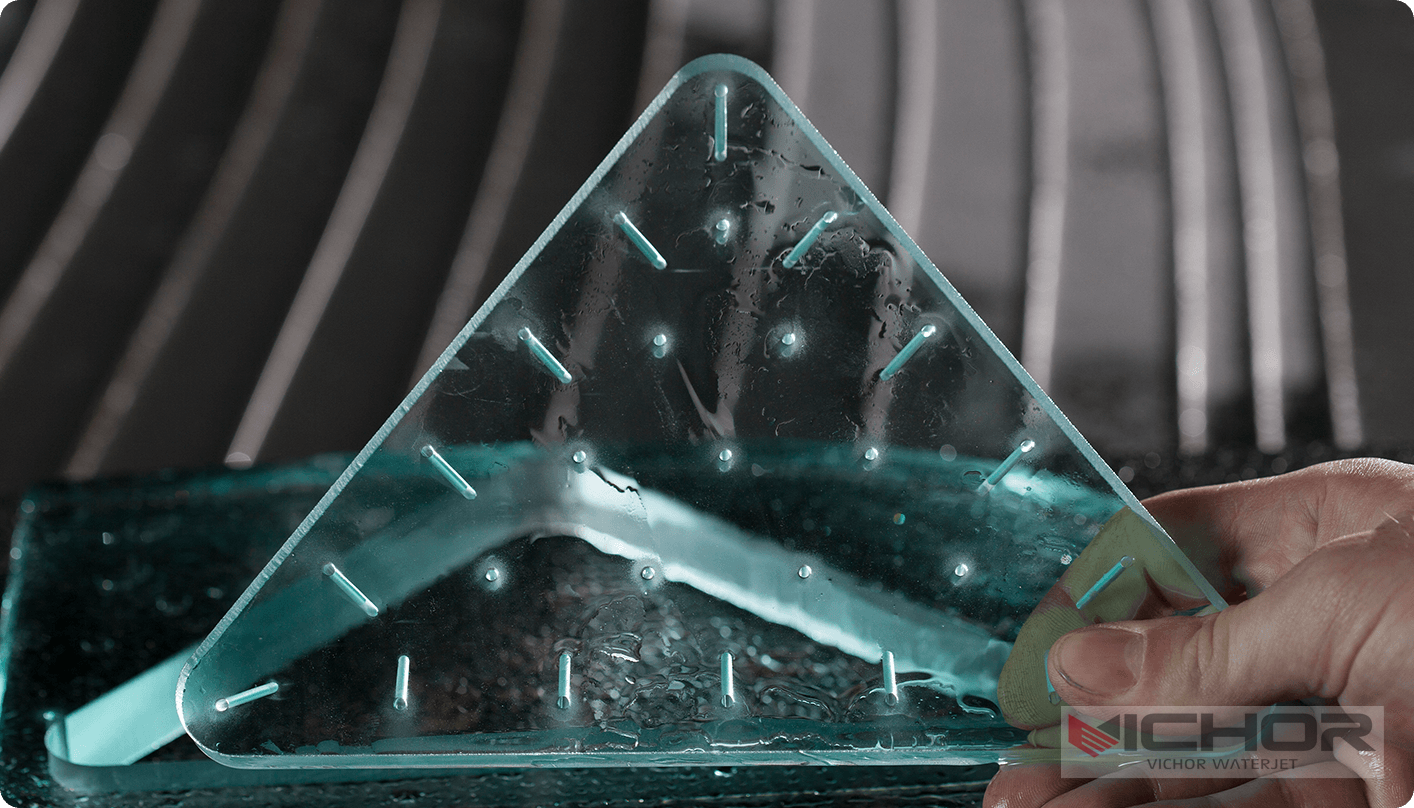
A table top water jet is a compact, benchtop version of traditional water jet cutting systems, designed for smaller-scale operations. It utilizes a high-pressure pump to propel water—often combined with abrasive materials like garnet—through a narrow nozzle, creating a precise cutting stream. This stream can slice through various materials, including metals, glass, ceramics, and plastics, with tolerances as fine as a few thousandths of an inch. The table top water jet is ideal for environments where space is limited, such as workshops, labs, or small manufacturing units, as it typically fits on a standard table or counter. Unlike thermal cutting methods, a table top water jet operates without generating heat, reducing the risk of material distortion or hardening. This makes it suitable for delicate projects, such as jewelry making, prototype development, or artistic creations. By offering a user-friendly interface and lower operational costs compared to larger machines, the table top water jet democratizes access to advanced cutting technology, enabling users to achieve professional results without extensive training or investment.
How Does a Table Top Water Jet Work?
The operation of a table top water jet revolves around a straightforward yet powerful mechanism. First, a high-pressure pump intensifies water pressure to levels exceeding 60,000 psi, forcing it through a small orifice in the nozzle. This creates a supersonic water jet that, when combined with abrasives in a mixing chamber, becomes highly erosive and capable of cutting through hard materials. The abrasive, typically garnet sand, is fed into the stream, enhancing its cutting ability for tougher substrates like steel or stone. The entire process is controlled by computerized numerical control (CNC) systems, which guide the nozzle along predefined paths based on digital designs, ensuring precision and repeatability. One of the key advantages of a table top water jet is its adaptability; users can adjust parameters such as pressure, abrasive flow, and cutting speed to suit different materials and thicknesses. This flexibility allows for intricate patterns and sharp corners that might be challenging with other tools. Additionally, the cold-cutting nature of the table top water jet means it doesn’t produce heat-affected zones, making it safe for heat-sensitive materials. Overall, the simplicity and efficiency of this system make the table top water jet a reliable choice for detailed fabrication tasks.
Advantages of Using a Table Top Water Jet
Employing a table top water jet in your projects comes with numerous benefits that enhance productivity and quality. Firstly, its precision is unmatched; the table top water jet can achieve tight tolerances and smooth finishes, reducing the need for secondary processing. This is particularly valuable in industries like aerospace or electronics, where minute errors can lead to significant issues. Secondly, the versatility of a table top water jet allows it to handle a diverse array of materials—from soft rubber to hardened metals—without requiring tool changes, saving time and resources. Another major advantage is the absence of heat during cutting, which prevents material warping, cracking, or chemical alterations, ensuring the integrity of the workpiece. Moreover, the table top water jet is environmentally friendly, as it uses water and natural abrasives, minimizing hazardous waste compared to laser or plasma cutters. Cost-effectiveness is also a highlight; with lower initial investment and maintenance costs than industrial models, the table top water jet is accessible to small businesses and individuals. Finally, its compact size and ease of use make it ideal for educational settings, fostering hands-on learning in engineering and design. By integrating a table top water jet into your operations, you can boost efficiency while maintaining high standards of accuracy and safety.
Common Applications of Table Top Water Jets
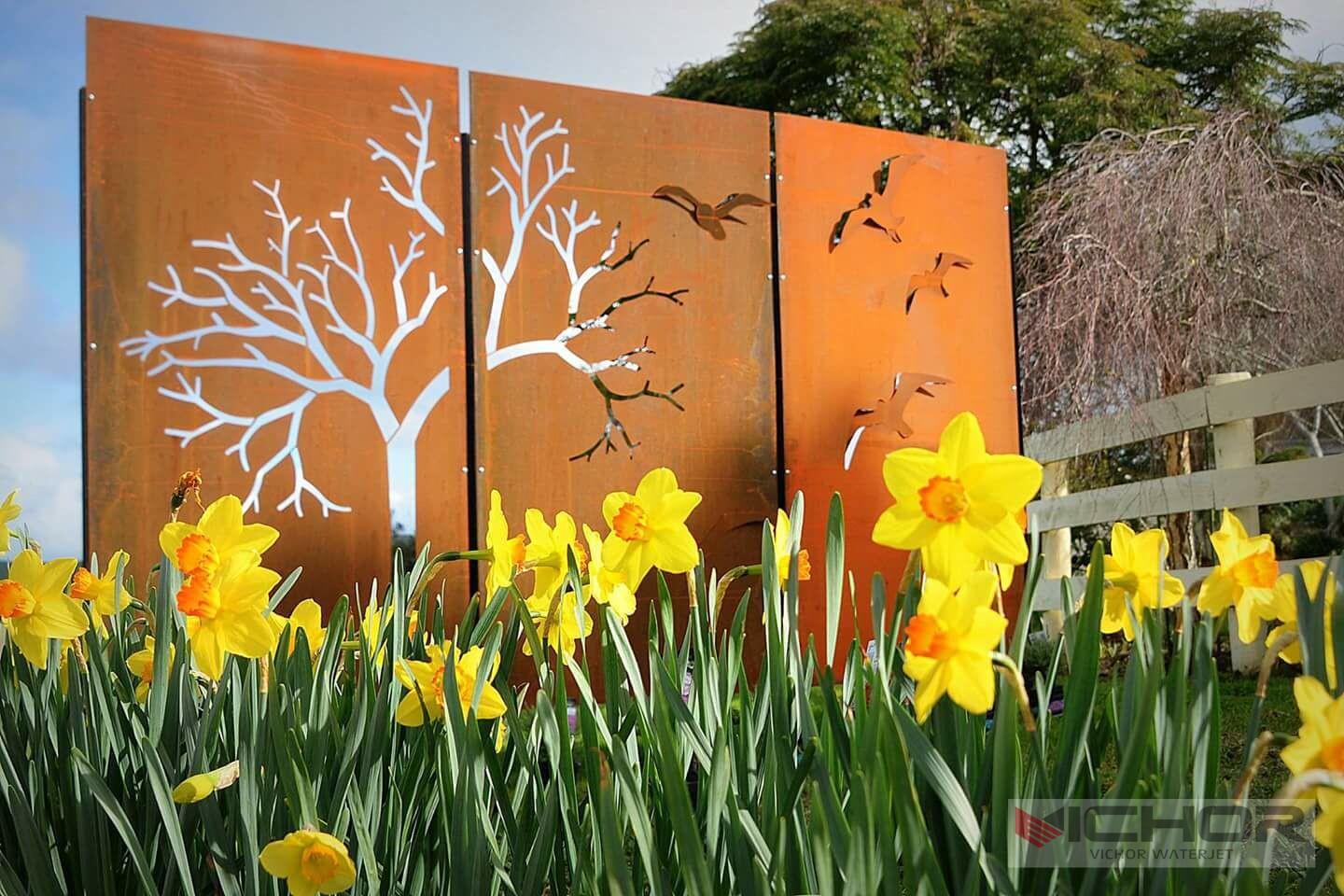
The table top water jet finds utility across various fields due to its adaptability and precision. In the arts and crafts sector, it is used to create intricate designs in materials like wood, acrylic, and glass, enabling artists to produce custom sculptures or decorative items. For prototyping and research, the table top water jet excels in cutting complex shapes from metals and composites, allowing engineers to test designs without costly tooling. In the education realm, schools and universities employ table top water jets to teach students about CNC technology and material science, providing practical experience in a controlled environment. The jewelry industry benefits from the table top water jet’s ability to cut precious metals and stones with minimal waste, supporting the creation of detailed pieces. Additionally, in small-scale manufacturing, the table top water jet is utilized for producing parts for electronics, automotive components, or medical devices, where precision is critical. Its capability to handle mixed materials in a single setup—such as layered composites—further expands its applications, making the table top water jet a go-to solution for innovative projects. By understanding these uses, you can see how a table top water jet can be tailored to meet specific needs, driving creativity and efficiency in diverse scenarios.
How to Choose the Right Table Top Water Jet for Your Needs
Selecting the appropriate table top water jet involves considering several factors to ensure it aligns with your requirements. Begin by assessing the materials you plan to cut; for softer substances like foam or rubber, a pure water jet might suffice, but for metals or ceramics, an abrasive-enabled table top water jet is essential. Next, evaluate the cutting area size—typically, table top models offer smaller beds, so match this with your project dimensions to avoid limitations. Pressure capability is another critical aspect; higher psi ratings (e.g., 30,000 to 90,000) provide faster cuts and handle thicker materials, but they may increase costs. Look for user-friendly features, such as intuitive software interfaces and automatic abrasive feeding, which simplify operation and reduce learning curves. Maintenance requirements should also be factored in; opt for a table top water jet with accessible components and reliable support to minimize downtime. Budget considerations are vital, as prices vary based on features—balance initial costs with long-term benefits like energy efficiency and durability. Lastly, read reviews and seek demonstrations to gauge performance and reliability. By carefully analyzing these elements, you can invest in a table top water jet that enhances your workflow, whether for hobbyist pursuits or professional endeavors, ensuring years of productive use.
Maintenance and Safety Tips for Table Top Water Jets
Proper maintenance of a table top water jet is crucial for longevity and safe operation. Regularly inspect and clean the nozzle and abrasive delivery system to prevent clogs that can affect cutting quality. Replace worn parts, such as seals and orifices, as recommended by the manufacturer to maintain peak performance. For safety, always wear protective gear, including goggles and gloves, when operating the table top water jet, as high-pressure streams and abrasive materials pose injury risks. Ensure the machine is placed on a stable surface and that electrical components are shielded from water exposure. Additionally, follow guidelines for disposing of used water and abrasives to minimize environmental impact. By adhering to these practices, you can extend the life of your table top water jet and create a secure working environment.
In summary, the table top water jet is a powerful and adaptable tool that brings industrial-grade precision to smaller settings. From its efficient cold-cutting process to its wide-ranging applications, this technology empowers users to tackle complex projects with confidence. By considering the insights shared here, you can make an informed decision about incorporating a table top water jet into your toolkit, unlocking new levels of creativity and productivity.
Frequently Asked Questions
Q1: What materials can a table top water jet cut?
A1: A table top water jet can cut a wide variety of materials, including metals like aluminum and steel, as well as non-metals such as glass, stone, ceramics, plastics, and composites. Its versatility makes it suitable for diverse projects, from delicate art pieces to industrial components.
Q2: How much does a table top water jet cost?
A2: The cost of a table top water jet varies based on features like pressure capacity and size, but generally ranges from a few thousand to tens of thousands of dollars. Factors such as brand, included software, and maintenance needs can influence the price, so it’s important to compare options based on your budget and requirements.
Q3: Is a table top water jet safe to use in a home workshop?
A3: Yes, a table top water jet can be safe for home use if proper safety precautions are followed, such as wearing protective equipment and ensuring stable installation. However, it requires access to water and electricity, and users should be trained on operation to avoid accidents related to high-pressure streams.
Q4: What maintenance is required for a table top water jet?
A4: Regular maintenance for a table top water jet includes cleaning the nozzle, checking abrasive levels, and inspecting seals and hoses for wear. It’s also important to monitor the water filtration system and follow the manufacturer’s schedule for part replacements to ensure consistent performance.
Q5: Can a table top water jet be used for intricate designs?
A5: Absolutely, a table top water jet excels at cutting intricate designs due to its precision and CNC control. It can handle complex patterns, sharp angles, and fine details without heat distortion, making it ideal for applications like jewelry, prototypes, and custom artwork.