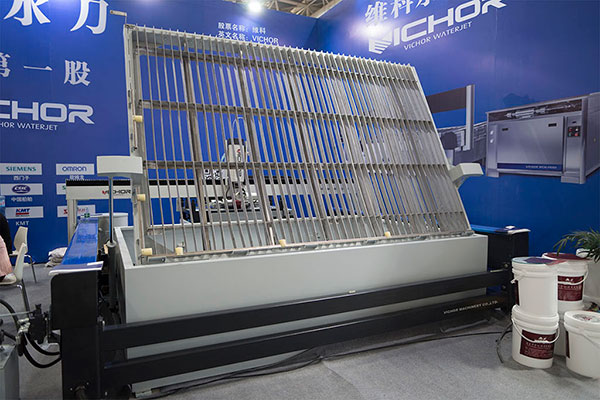
Waterjet Wood Cutting: Precision, Intricacy, and Clean Edges for Woodworkers
Waterjet wood cutting uses a high‑pressure stream of water, often mixed with a fine abrasive, to slice through timber and engineered wood products. Unlike saws or routers, this cold process produces no heat, no dust, and leaves a satin‑smooth edge that often requires no sanding. In this article, we explore how waterjet wood cutting works, its advantages over conventional methods, and why fabricators are adopting this technology for custom furniture, architectural elements, and intricate inlays.
What Is Waterjet Wood Cutting?
Waterjet wood cutting involves directing a jet of water pressurized to 30,000–90,000 psi through a tiny orifice. For harder woods, a garnet abrasive is added to the stream to accelerate cutting. The water erodes the wood fibers cleanly, without crushing or tearing. Because the process is cold, there is no burning or charring, even on thin veneers.
The Process Explained
A CNC‑controlled cutting head moves over the wood following a digital design. The water jet cuts through the material and is caught in a tank below, where the energy dissipates. The wood remains dry to the touch, and the narrow kerf (typically 0.040 inch) allows tight nesting of parts.
- Pure water: Used for softwoods and thin veneers.
- Abrasive water: Needed for dense hardwoods and thick panels.
Advantages of Waterjet Wood Cutting Over Traditional Methods
Switching to waterjet wood cutting offers several distinct benefits:
- No heat damage: Edges are free of burn marks, preserving natural color and grain.
- No dust: The water traps all particles, creating a cleaner workspace.
- Intricate shapes: Tight curves and sharp internal corners are possible without tool breakage.
- Material savings: Narrow kerf and nesting software maximize yield from each board.
- Lamination cutting: Glued‑up panels can be cut in one pass without delamination.
These advantages make waterjet wood cutting attractive for high‑end woodworking and production shops.
Types of Wood Suitable for Waterjet Cutting
Almost any wood can be cut with a waterjet, but results vary by species and construction.
Softwoods and Hardwoods
Softwoods like pine and cedar cut quickly with pure water, producing clean edges. Hardwoods such as oak, maple, and walnut require abrasive to cut efficiently, but the finish is exceptionally smooth. Even exotic woods like ebony or rosewood can be processed without chipping.
Engineered Wood Products
Plywood, MDF, particleboard, and veneered panels are ideal for waterjet. The water does not soak into the core, and edges remain sharp. Laminates and veneers stay bonded because there is no heat to soften adhesives.
- Plywood: No splintering on cross‑grains.
- MDF: Smooth edges ready for painting or edge‑banding.
- Veneered panels: Precise cuts through delicate surfaces.
Applications of Waterjet Wood Cutting
Waterjet wood cutting serves a wide range of industries and creative projects:
- Furniture manufacturing: Intricate chair backs, inlaid tabletops, and custom joinery.
- Architectural millwork: Decorative panels, moldings, and signage.
- Musical instruments: Precise shapes for guitar bodies and fretboards.
- Art and sculpture: Complex layered wood art and 3D assemblies.
- Model making: Scale models with fine details.
The ability to cut stacked sheets simultaneously also speeds up production of identical parts.
How to Achieve Optimal Results with Waterjet Wood Cutting
To get the best from your waterjet wood cutting operations, follow these guidelines.
Machine Settings and Parameters
Adjust water pressure, abrasive flow, and traverse speed based on wood density and thickness. Softer woods need lower pressure to avoid over‑erosion. Dense hardwoods require slower speeds and more abrasive. Test cuts on scrap help dial in the perfect settings.
- Pressure: 30–50 ksi for softwoods; 50–70 ksi for hardwoods.
- Abrasive: 80 mesh garnet works well for most woods.
- Speed: 50–200 inches per minute depending on thickness.
Material Preparation
Ensure wood is flat and securely clamped to prevent vibration. For thin veneers, use a sacrificial backing board. Seal end‑grain on porous woods if water absorption is a concern (though usually minimal).
Comparing Waterjet to Laser, CNC Router, and Sawing
Understanding how waterjet wood cutting stacks up against other methods helps in choosing the right tool.
- Laser: Fast on thin wood but burns edges and cannot cut thick sections. Produces fumes.
- CNC router: Excellent for 3D carving but generates dust and requires tool changes. Bits wear and break.
- Sawing: Fast for straight cuts, but cannot do intricate shapes. Leaves rough edges that need sanding.
- Waterjet: Handles any thickness, any shape, with no heat, dust, or tool wear. Slightly slower but highest edge quality.
For many shops, a waterjet complements existing tools rather than replacing them entirely.
Choosing the Right Equipment: Why VICHOR?
Investing in a reliable waterjet cutting machine ensures consistent results. VICHOR offers models specifically suited for woodworking, with features like:
- Precision linear guides for smooth motion.
- Intuitive CNC software with nesting capabilities.
- Adjustable pressure settings for different wood types.
- Compact benchtop and full‑size options to fit any shop.
VICHOR’s machines are built to withstand continuous operation and are backed by global support. Whether you are a custom furniture maker or a large millwork shop, there is a VICHOR system that fits your needs.
Waterjet wood cutting combines the beauty of natural wood with the precision of modern technology. It eliminates burning, dust, and secondary finishing, allowing woodworkers to focus on design and assembly. As more craftsmen discover its capabilities, waterjet is becoming a staple in progressive wood shops. With VICHOR’s range of waterjet cutting machines, you can bring this versatile process into your own facility and expand your creative possibilities.
Frequently Asked Questions
Q1: Does waterjet wood cutting make the wood wet?
A1: The wood remains nearly dry. The jet is so fine and fast that very little water penetrates the surface. Most cuts show no moisture absorption, especially in dense hardwoods. For porous woods, a quick wipe or light drying is sufficient.
Q2: What thickness of wood can be cut with a waterjet?
A2: This depends on the machine’s pressure and abrasive system. Typical benchtop models cut up to 2 inches thick, while industrial waterjets can handle 6 inches or more. Stacking multiple thin sheets is also common.
Q3: Is the edge quality good enough for joinery?
A3: Yes, edges are smooth and square, often requiring no sanding before gluing. Dovetails, finger joints, and other joinery can be cut directly, though some woodworkers prefer to lightly sand for a perfect bond.
Q4: Can I cut plywood without splintering the top veneer?
A4: Absolutely. The waterjet cuts cleanly through all plies simultaneously, leaving no splinters or tear‑out. This is a major advantage over saws, which often chip the surface.
Q5: What maintenance does a waterjet need for wood cutting?
A5: Routine checks include nozzle condition, abrasive flow, and water filtration. Because wood dust is absent, there is less wear on moving parts. Follow the manufacturer’s schedule for pump oil changes and seal inspections.
Q6: Is abrasive always required for wood?
A6: Not always. Softwoods and thin veneers can be cut with pure water. Dense hardwoods and thick panels benefit from a fine abrasive (garnet) to speed cutting and improve edge finish. Many operators keep both modes available.
Q7: Can waterjet cut intricate patterns like inlays?
A7: Yes, waterjet excels at intricate work. It can cut curves with radii as small as 0.02 inch, making it ideal for inlay pieces and decorative marquetry. The narrow kerf allows tight fits between parts.