Waterjet Tube Cutting: Precision, Flexibility, and Efficiency for Tube Processing
Modern fabrication shops increasingly adopt waterjet tube cutting to handle tight tolerances and exotic materials. Unlike thermal methods, this process uses ultra-high pressure water mixed with abrasive garnet to erode material cleanly. It produces no heat-affected zone and leaves a smooth finish, often eliminating secondary operations. From medical implants to structural aerospace components, waterjet tube cutting delivers consistent results across batch sizes.
How Waterjet Tube Cutting Works
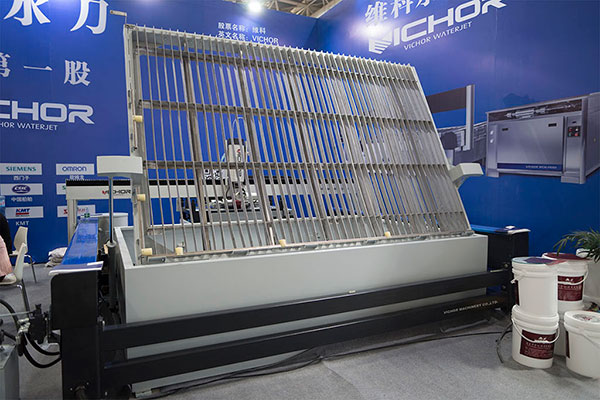
A typical system combines a high-pressure pump, cutting head, and motion system. Water is pressurised up to 90,000 psi and forced through a tiny orifice. Abrasive is then fed into the stream, turning it into a cutting tool that can slice through metal, composites, and glass.
- The abrasive particles accelerate in the water stream and erode material at a controlled rate.
- CNC-controlled nozzles follow precise paths, allowing complex tube geometries.
- Catch tanks underwater reduce noise and contain spent abrasive.
This mechanism ensures that waterjet tube cutting maintains the original material properties without thermal stress.
Critical Benefits of Waterjet Tube Cutting for Manufacturers
Choosing waterjet tube cutting over sawing, laser, or plasma offers distinct advantages. The cold process preserves metallurgical characteristics and enables intricate designs.
No Heat Affected Zone (HAZ)
Because waterjet operates at ambient temperature, there is no thermal distortion. Edges remain true, and there is no need for post-cut heat treatment. This is vital for thin-walled tubes and precision assemblies.
Extreme Material Versatility
Waterjet cuts virtually any material used in tube forming:
- Stainless steel, titanium, Inconel – hard metals are cut without work hardening.
- Carbon fibre, glass-reinforced plastics – no delamination or fraying.
- Ceramics, glass, stone – brittle materials are cut smoothly.
Superior Edge Quality & Burr-Free Results
The abrasive stream produces a satin finish. In many cases, waterjet tube cutting eliminates deburring and reduces scrap. Tubes fit directly into welding or assembly operations.
Primary Applications of Waterjet Tube Cutting
Industries rely on this technology for components where structural integrity and precision are non-negotiable. Below are key sectors using waterjet tube cutting daily.
Aerospace & Defence
Hydraulic lines, landing gear components, and engine tubes require exact tolerances. Waterjet cuts superalloys without inducing micro-cracks, meeting strict industry standards.
Automotive & Motorsport
From exhaust systems to roll cages, manufacturers use waterjet to create complex tube junctions. Prototyping is fast because no hard tooling is needed.
Medical Device Manufacturing
Surgical instruments and implantable devices often involve small-diameter tubing. Waterjet provides clean, sterile-ready cuts on stainless steel and nitinol.
Energy & Offshore
Heat exchangers, boiler tubes, and subsea components are cut with high repeatability. Thick-walled pipes are handled easily by adjusting cutting speed.
Materials Compatible with Waterjet Tube Cutting
One of the strongest arguments for adopting waterjet tube cutting is its material agnosticism. The process does not discriminate by conductivity or hardness.
- Metals: steel, aluminium, brass, copper, titanium, hastelloy.
- Composites: carbon fibre, kevlar, fibreglass laminates.
- Non‑metallics: rubber, PTFE, nylon, acrylic, wood.
- Dissimilar stacks: tubes with bonded liners are cut cleanly.
Factors When Investing in a Waterjet Tube Cutting System
Equipment selection influences productivity and total operating cost. Companies like VICHOR offer machines tailored to tube cutting, with features that enhance precision and throughput.
Machine Configuration
- Rotary axis options allow cutting at any angle around the tube.
- Multi‑head systems increase output for high‑volume runs.
- Abrasive delivery consistency ensures repeatable edge quality.
Software & Automation
Modern CNC controls with 3D CAD/CAM integration simplify programming. Nesting algorithms minimise waste, and automatic tube loaders reduce manual handling. VICHOR provides end‑to‑end support, from installation to operator training.
Cost Efficiency and Environmental Impact
Although abrasive waterjet consumes more energy than some methods, the savings in tooling and secondary work often offset this. No toxic fumes or hazardous fumes are generated. Water and abrasive can be recycled with proper filtration systems.
- No tooling wear – the same nozzle cuts soft rubber and hardened steel.
- Minimal material loss – kerf width is typically below 1 mm.
- Clean operation – dust‑free, suitable for cleanroom environments.
In many cases, switching to waterjet tube cutting reduces overall production costs and improves shop safety.
Future Trends in Waterjet Tube Cutting
Advancements in pump efficiency and abrasive delivery continue to lower operating costs. Real‑time monitoring and adaptive control systems maintain cut quality even with variations in tube diameter. Robotics integration allows lights‑out manufacturing, especially in high‑mix, low‑volume environments.
As tolerances tighten and materials diversify, the role of waterjet tube cutting in modern manufacturing will only expand. Suppliers like VICHOR are at the forefront, delivering equipment that meets Industry 4.0 standards.
Waterjet tube cutting combines precision, material versatility, and a cold‑working process that preserves part integrity. It is a future‑proof technology for any shop dealing with tubes, pipes, or complex profiles. By partnering with experienced providers such as VICHOR, fabricators can integrate this capability smoothly and stay competitive in demanding markets.
Frequently Asked Questions
Q1: What is waterjet tube cutting exactly?
A1: It is a cutting process that uses a high‑pressure stream of water mixed with abrasive particles to erode tube materials. It is a cold‑cutting method, meaning no heat is generated, so material properties remain unchanged.
Q2: Which materials can be processed with waterjet tube cutting?
A2: Almost any material—steel, titanium, aluminium, composites, plastics, rubber, glass, and ceramics. It works equally well on thin‑wall tubes and thick‑walled pipes up to several inches in diameter.
Q3: How accurate is waterjet tube cutting?
A3: Modern CNC waterjet systems hold tolerances of ±0.1 mm or better, depending on material thickness and machine calibration. The process is repeatable and suitable for tight‑fit assemblies.
Q4: Is waterjet tube cutting expensive compared to laser or plasma?
A4: Initial equipment cost may be higher, but operating costs are competitive when factoring in no heat damage, no tool wear, and minimal secondary finishing. For thick or reflective materials, it is often more economical than laser.
Q5: Can waterjet tube cutting create complex shapes like bevels or holes?
A5: Yes, with a 5‑axis cutting head and rotary axis, you can produce bevels, slots, notches, and intricate profiles in a single setup. This reduces handling and increases precision.
Q6: How do I maintain a waterjet tube cutting system?
A6: Regular checks include nozzle wear, abrasive feed consistency, and seal integrity in the high‑pressure pump. Many suppliers, including VICHOR, offer maintenance plans and training to maximise uptime.