Waterjet Table Cost: The 2026 Guide to Prices for 5 Machine Types
Purchasing a waterjet cutting system is a major capital investment. A significant portion of this investment is tied to the work table itself. Understanding the waterjet table cost is crucial for accurate budgeting and choosing the right equipment for your workshop.
Prices vary dramatically based on size, construction, and features. This guide provides a clear breakdown of what drives the price and what you can expect for your budget. We will explore standard configurations and their associated investment levels.
Core Components That Define Your Waterjet Table Cost
The final waterjet table cost is not just for a metal frame. It is a combination of several engineered subsystems that work together to hold, move, and cut material precisely. Each component adds to the overall price and capability.
Knowing these parts helps you communicate with suppliers and compare quotes effectively. The main elements include:
- The Table Structure & Frame: The foundational support, usually made of heavy-duty steel.
- Support Grid or Slat Bed: The surface that holds the material during cutting.
- Drive System (X-Y Motion): Motors, rails, and gears that move the cutting head.
- Control System & Software: The computer and CNC software that operates the machine.
- Water Containment Tray: The basin that catches water, abrasive, and debris.
Machine Type 1: Entry-Level & 2-Axis Tables
Entry-level tables are designed for smaller shops or specific applications. They typically feature a 2-axis (X and Y) design with a basic slat bed and a standard drive system. These tables prioritize core functionality over advanced features.
The waterjet table cost for this category often starts around $40,000 to $80,000 for the table and motion system. They are suitable for cutting flat sheet materials like metal, stone, or glass up to a moderate thickness.
Machine Type 2: Standard 5′ x 10′ Industrial Tables
The 5′ x 10′ (1.5m x 3m) table is the industry workhorse. It balances a useful work area with a manageable floor space requirement. These tables feature robust construction and more powerful servo or AC drives for reliable daily operation.
For a standard industrial table of this size, expect the waterjet table cost to range from $80,000 to $150,000. This usually includes a durable slat bed, a reliable drive system, and professional-grade CNC controls.
How Table Size and Cutting Area Directly Impact Price
The physical dimensions of the table are the most obvious price factor. Larger tables require more material, heavier structural support, and longer linear motion components. This linear increase in size leads to a more-than-linear increase in cost.
For example, moving from a 5’x10′ to a 6’x20′ table doesn’t just double the waterjet table cost. It requires a much stiffer frame to prevent sagging and more powerful drives to maintain accuracy over the longer distance.
- Small (4’x4′ to 5’x5′): Lower cost, ideal for specialty parts or limited space.
- Medium (5’x10′): The most common and cost-effective for general fabrication.
- Large (6’x20′ and above): Premium cost for cutting large plates in aerospace or marine industries.
Machine Type 3: 5-Axis and Bevel Cutting Tables
5-axis tables add sophisticated tilt-and-rotate mechanisms to the cutting head. This allows for complex, angled cuts (bevels) without tool changes. The engineering and precision required for these axes are substantial.
This advanced functionality significantly raises the waterjet table cost. A 5-axis system can add $50,000 to $100,000 or more to the base price of a standard table. It is essential for precision welding preparations and complex 3D parts.
Machine Type 4: Specialized Multi-Head & Tandem Tables
Designed for high-volume production, these tables feature two or more independent cutting heads on a single gantry or separate carriages. They can cut multiple identical parts simultaneously, drastically improving throughput.
The complexity of the control system and additional hardware makes this a high-investment option. The waterjet table cost for a multi-head configuration typically starts in the $200,000+ range and scales up with size and features.
Beyond the Table: Additional Costs in Your Total Budget
Focusing solely on the waterjet table cost gives an incomplete picture. A functional cutting cell requires several other critical and expensive components. Your total project budget must account for these items.
Failing to plan for these can strain your finances. Key additional investments include:
-
- The High-Pressure Pump: Often the single most expensive component, priced separately from the table.
Abrasive Delivery System:
- Hoppers, feeders, and mixing tubes for abrasive garnet.
- Water Treatment System: Filters and chillers to protect the pump from poor water quality.
- Installation & Foundation: Site preparation, electrical work, and rigging.
- Operator Training & Software: Essential for safe and efficient machine use.
Machine Type 5: Custom & High-Precision Router-Style Tables
For applications demanding extreme accuracy, such as cutting composites or electronics, router-style tables are used. They feature a moving bridge (gantry) design with exceptionally stiff construction and high-resolution linear encoders.
These tables minimize vibration and deflection. The waterjet table cost for a precision router-style system is premium, often exceeding $150,000 for the motion system alone, before adding the pump and cutting head.
Influence of Brand and Manufacturing Quality on Price
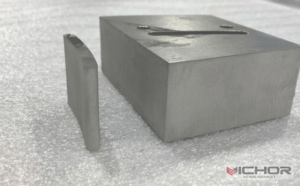
Brand reputation and build quality have a direct impact on price. Established manufacturers like VICHOR use high-grade materials, precise machining, and rigorous testing. This ensures longevity and precision but is reflected in the cost.
Choosing a reputable brand often means better technical support, available spare parts, and higher resale value. While the initial waterjet table cost may be higher, the total cost of ownership over a decade can be lower due to reliability.
Strategies for Managing Your Waterjet Table Investment
Acquiring a waterjet system is a strategic decision. Smart planning can help you manage the waterjet table cost effectively while getting the performance you need. Consider your current and future business requirements.
Here are practical steps for your investment strategy:
- Define Your Needs: List the maximum material size, thickness, and required tolerances. Avoid overbuying.
- Evaluate Total Cost of Ownership (TCO): Factor in maintenance, abrasive use, and potential downtime costs.
- Explore Financing: Many suppliers, including VICHOR, offer lease or loan options to preserve capital.
- Request Detailed Quotes: Compare not just price, but the specifications, warranty, and service packages included.
- Consider Pre-Owned: A quality inspected used table from a known brand can reduce initial cost significantly.
Conclusion: Balancing Performance and Waterjet Table Cost
The decision ultimately involves balancing performance requirements with budget constraints. A clear understanding of the factors affecting waterjet table cost empowers you to make a confident choice.
Invest in a table that meets your technical needs and offers reliable service from a supportive manufacturer. Whether you choose a standard model or a custom solution from a provider like VICHOR, proper planning ensures your investment supports business growth for years to come.
Frequently Asked Questions (FAQs)
Q1: What is the typical price range for a new industrial waterjet table?
A1: For a complete new industrial system (table, pump, basic controls), prices generally start around $100,000. A standard 5’x10′ setup often falls between $150,000 and $250,000. Large or advanced systems can cost $500,000 or more.
Q2: Can I upgrade my existing table’s size or features later?
A2: Some upgrades are possible, like adding a 5-axis head or new software. However, physically enlarging the table frame is usually not feasible or cost-effective. It’s best to plan for future needs at the initial purchase.
Q3: How much does installation add to the total waterjet table cost?
A3: Installation, including electrical, plumbing, and foundation, can add 5% to 15% to the machine’s price. This varies based on site conditions and local labor rates. Always get a detailed installation quote.
Q4: Why is there such a large price difference between brands for similar-sized tables?
A4: Differences arise from construction quality (steel grade, machining precision), component brands (motors, bearings), drive system technology, and the included software/control package. Higher investment often means better accuracy and durability.
Q5: Are there significant ongoing costs after purchasing the table?
A5: Yes. Major ongoing costs include abrasive garnet (a significant consumable), replacement pump parts, nozzles, and focusing tubes. Regular maintenance, water filter changes, and electricity for the high-pressure pump also contribute to operational expenses.