Water Jet Technology: Cutting-Edge Precision, Zero Heat, Unlimited Materials
You’re looking at a piece of intricately cut titanium, a flawless marble countertop, and a delicate glass sculpture. What tool made all three possible? The answer lies in a remarkably versatile process. Water jet technology has evolved from a novel concept into a fundamental manufacturing solution. It cuts through almost any material with a high-pressure stream of water, often mixed with abrasives. This method produces no heat, minimizes waste, and unlocks design possibilities traditional tools can’t touch. From aerospace factories to local art studios, its impact is widespread. Understanding this technology is key for anyone involved in fabrication, design, or industrial production today.
How Water Jet Technology Works: Pure and Abrasive Streams
At its core, a waterjet system is powerful yet straightforward. A high-pressure pump, often an intensifier pump, pressurizes ordinary water to extremes—typically between 60,000 and 90,000 psi.
This ultra-pressurized water is then forced through a tiny gemstone nozzle, usually made of sapphire or ruby. The result is a supersonic stream thinner than a human hair.
This pure waterjet is perfect for cutting soft materials. Think rubber, foam, food products, or thin gaskets. The cut is clean and leaves no residue.
For harder materials, the system introduces an abrasive. Garnet sand is fed into the stream in a mixing tube. The water accelerates these abrasive particles, turning the stream into a microscopic saw.
This abrasive water jet technology can slice through metals, stone, glass, ceramics, and composites. The CNC-controlled cutting head moves with exceptional accuracy, following a digital design.
The Unmatched Advantages of Cold Cutting
The most significant benefit of water jet technology is the absence of heat. Lasers, plasma cutters, and torches generate intense heat at the cut point.
This heat creates a Heat-Affected Zone (HAZ). In metals, the HAZ can warp the material, alter its temper, or create weak points. In materials like glass or plastics, it can cause cracking or melting.
Water jet technology eliminates the HAZ entirely. It’s a true cold cutting process. The material’s inherent structure remains unchanged right up to the edge of the cut.
This means no thermal stress, no hardening, and no toxic fumes. The final part is stronger and more reliable. It’s ready for immediate use without secondary finishing to remove heat damage.
For sensitive materials or tight-tolerance parts, this is a game-changer.
A World of Applications: Where You Find Water Jets
The versatility of water jet technology makes it indispensable across industries. Its ability to switch materials with only a change in the digital file is a major productivity booster.
In aerospace and automotive, it cuts advanced composites, titanium alloys, and aluminum without compromising their strength. Intricate engine parts and lightweight cabin components are made this way.
Architects and stone fabricators use it for detailed inlays, countertops, and signage in marble, granite, and glass. The ability to cut complex curves in thick stone is unparalleled.
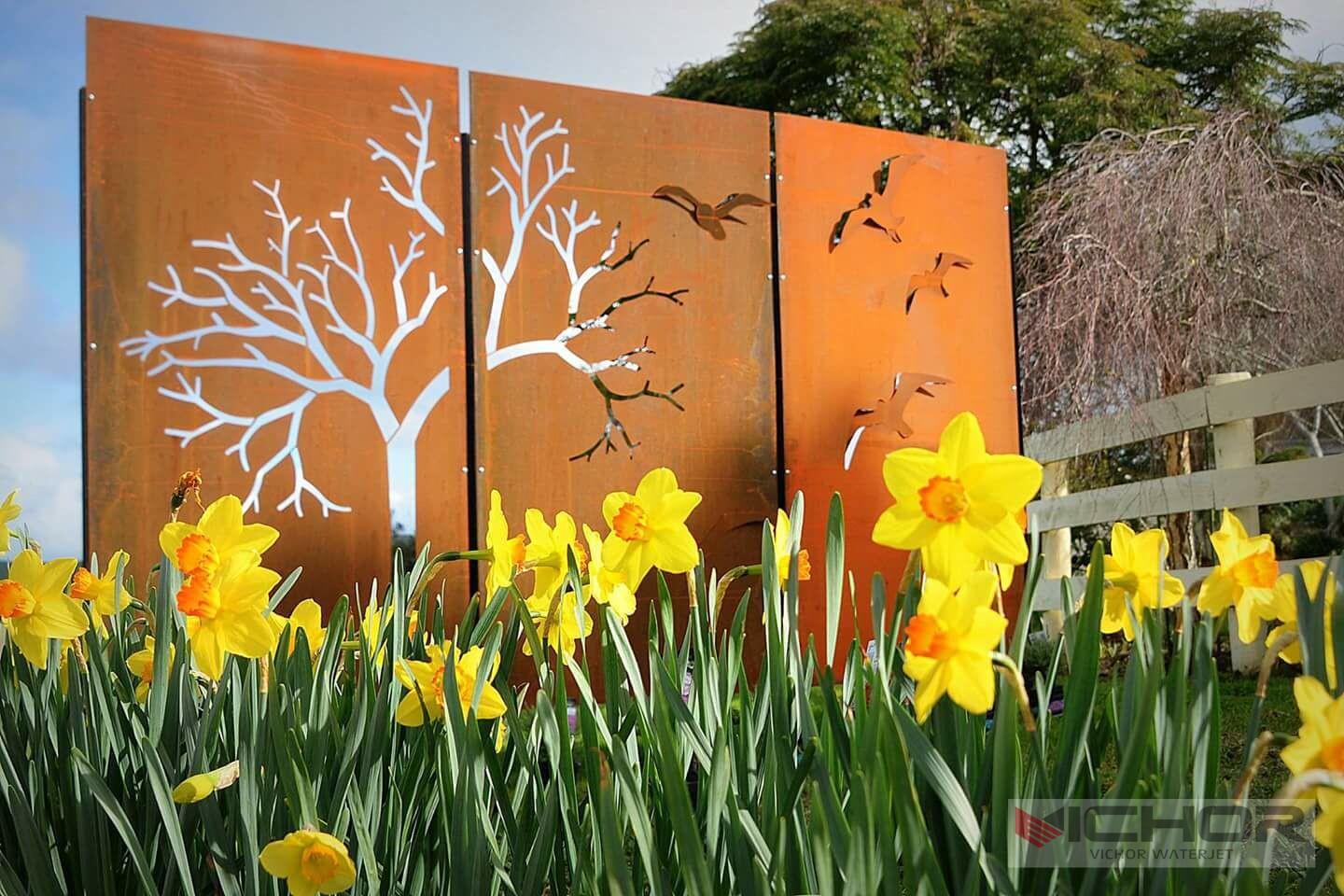
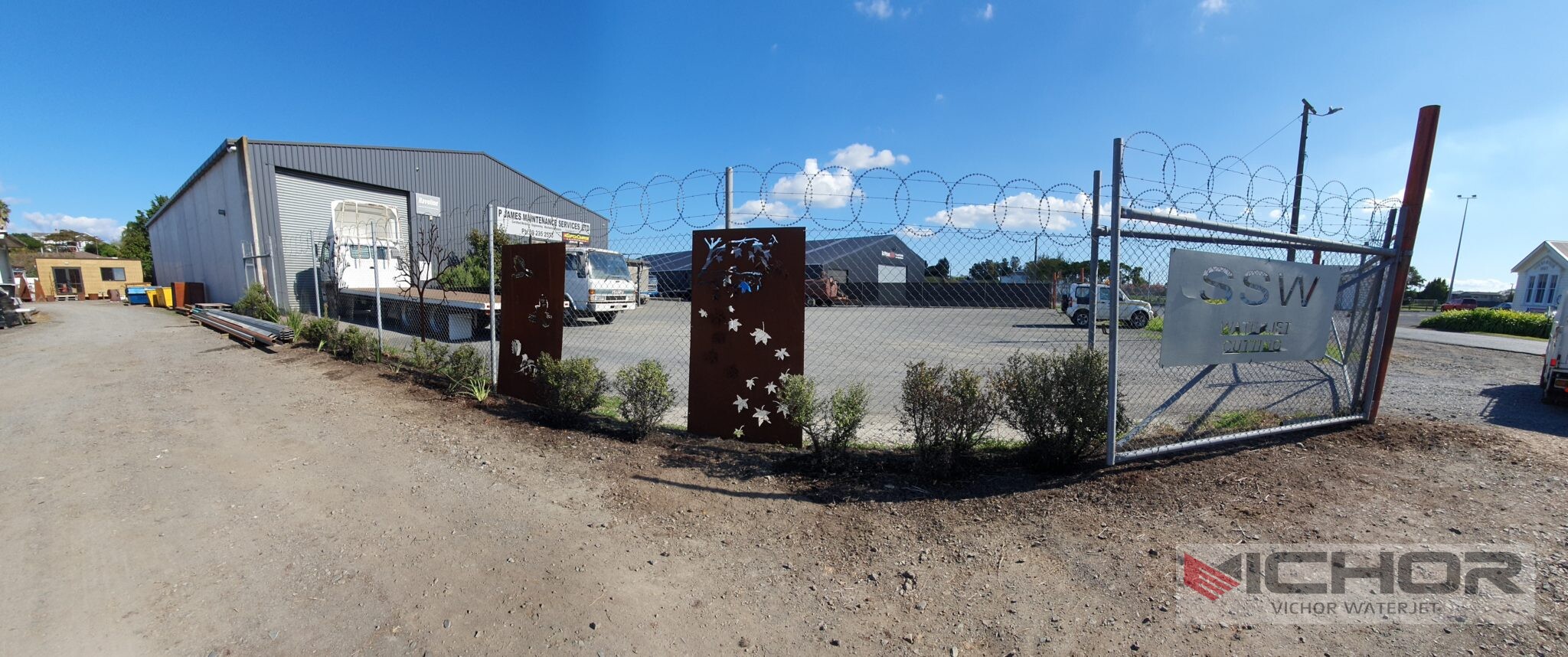
Artists and designers have embraced water jet technology for its freedom. It brings impossible digital designs to life in metal, wood, and mixed media with perfect accuracy.
Manufacturers use it for gaskets, insulators, and tooling. Even the food industry employs pure waterjets for portioning cakes, cutting frozen fish, or slicing poultry.
VICHOR: Engineering Reliability into Every Stream
In the competitive international field of water jet cutting, the brand behind the machine matters. VICHOR has established itself by focusing on core industrial values: durability, precision, and uptime.
A VICHOR system is built for the long run. Their high-pressure pumps are engineered for consistent performance and easier maintenance, reducing costly downtime in a production environment.
They understand that precision isn’t just about the cut. It’s about repeatability over thousands of hours. VICHOR machines integrate robust motion systems and intelligent software to ensure every part matches the first.
For businesses investing in water jet technology, the total cost of ownership is critical. VICHOR designs with this in mind, offering energy-efficient pumps and systems designed to minimize abrasive and water consumption.
Their global support network provides the expertise needed to keep production flowing. Choosing a brand like VICHOR means investing in a partner, not just a machine.
Choosing the Right Water Jet System for Your Needs
Selecting a waterjet isn’t a one-size-fits-all decision. The right choice depends heavily on your primary materials and production goals.
Consider the thickness and type of materials you’ll cut daily. Cutting thick steel or stone requires a high-horsepower pump and an abrasive system. Mostly cutting softer, thinner materials? A pure waterjet might suffice.
Worktable size is crucial. It must accommodate your typical sheet sizes, but an oversized table wastes floor space and capital.
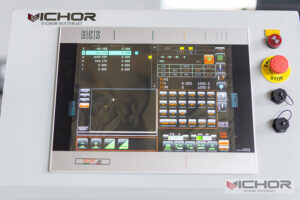
Look at the control software. Is it intuitive? Can it easily import from your CAD programs? Efficient nesting software can dramatically reduce material waste.
Finally, consider service and support. Access to technical expertise and spare parts is non-negotiable for maintaining production schedules. Companies like VICHOR prioritize this support structure.
Maintenance and Operating Considerations
Like any powerful industrial tool, water jet systems require consistent care. Proper maintenance is the key to longevity and consistent cut quality.
The high-pressure components are the heart of the system. Regularly inspecting seals, valves, and the intensifier pump is essential. Following the manufacturer’s service schedule prevents major failures.
The abrasive delivery system must be kept dry and flowing. Moisture causes clogs. Regularly check hoppers and feed lines.
The cutting head wears out. Nozzles (especially the jewel orifice) and mixing tubes are consumables. Replacing them at the right time maintains cutting speed and precision.
Water quality matters. Using a good filtration and deionization system protects the pump from scale and corrosion, extending its life significantly.
The Future Flowing Forward
Water jet technology is not standing still. Innovation continues to push its boundaries in exciting ways.
We see trends toward smarter, more connected machines. Predictive maintenance, where the system alerts you to wear before a failure, is becoming a reality.
Developments in nozzle design and abrasive recovery systems aim to further increase speed and reduce operating costs. The goal is to make the technology even more efficient and sustainable.
There is also growth in hybrid systems. Combining water jet technology with other processes, like milling in a single setup, is streamlining complex part manufacturing.
As materials science advances, creating stronger composites and alloys, the demand for a versatile, cold-cutting solution will only grow. The technology is perfectly positioned to meet this challenge.
Water jet technology has cemented its role as a vital, flexible manufacturing tool. Its unique combination of cold cutting, material versatility, and precision offers solutions that other technologies simply cannot match. Whether producing critical aerospace components or breathtaking art, it provides a clear advantage. For manufacturers seeking to expand their capabilities and improve part quality, investing in robust water jet technology, such as that offered by industry leaders like VICHOR, is a strategic step forward.
Frequently Asked Questions (FAQs)
Q1: What materials cannot be cut with a water jet?
A1: Very few. Water jet technology struggles with tempered glass (it will shatter) and certain hardened tool steels beyond great thicknesses. Materials like diamond and ceramic composites can also be extremely difficult. Most common metals, stones, plastics, and composites cut cleanly.
Q2: Is water jet cutting expensive compared to laser or plasma?
A2: The initial investment can be higher. However, the operational cost story is different. Water jets have no fuel gas costs (like plasma) and lower energy costs than lasers for thick materials. The real savings come from zero heat-related distortion, which eliminates secondary finishing costs and material waste.
Q3: How accurate is water jet cutting?
A3: Modern CNC-controlled water jet technology is highly accurate. Typical tolerances range from ±0.003″ to ±0.005″ (0.076mm to 0.127mm). Factors like material type, thickness, and cutting speed affect this, but for most industrial applications, the precision is excellent.
Q4: How thick of a material can a water jet cut?
A4: It can cut very thick materials. Abrasive water jets routinely cut metals over 6 inches (150mm) thick and stone or glass even thicker. The cut speed slows down significantly with increased thickness, but it remains possible where other technologies fail.
Q5: What is the kerf width, and why does it matter?
A5: The kerf is the width of the material removed by the stream. An abrasive water jet kerf is typically between 0.030″ to 0.050″ (0.76mm to 1.27mm). This matters for nesting parts to minimize waste and for achieving tight tolerances on finished part dimensions. You must account for this width in your CAD design.