Water Jet Desktop Machines: The Compact Solution for Precision Manufacturing
Space is often the most expensive asset in a workshop. For engineers, hobbyists, and small batch manufacturers, the dream of owning a powerful cutting machine often clashes with the reality of limited floor space. This is where the water jet desktop category has revolutionized the industry. It brings the raw cutting power of industrial gantries into a footprint that fits in a garage or a small R&D lab.
In the past, water jet technology was reserved for massive factories. These machines required specialized foundations, massive high-pressure pumps, and dedicated electrical grids. Today, the landscape has changed. A water jet desktop offers a bridge between consumer-grade tools and heavy industrial machinery. It allows users to cut steel, glass, and carbon fiber with the same precision as the big players, but without the massive overhead.
Brands like VICHOR are recognizing this shift. They understand that innovation often happens in small rooms, not just on sprawling factory floors. By scaling down the technology without sacrificing the core “cold cutting” advantages, a water jet desktop becomes a viable option for a whole new demographic of makers.
What Exactly is a Water Jet Desktop?
When we talk about a water jet desktop, we are defining a specific class of machine. It is typically a fully enclosed unit. Unlike open gantry systems, these machines keep the water and abrasive contained. This makes them safe for educational environments and office-attached workshops.
The core mechanics remain the same. A high-pressure pump generates a stream of water. An abrasive, usually garnet, is mixed into this stream to create a cutting tool that can slice through virtually anything. The difference lies in the scale. A water jet desktop usually operates at lower pressures than its industrial cousins—often between 30,000 to 45,000 PSI—though some high-end compact models push this higher.
Despite the smaller stature, a water jet desktop is not a toy. It is a serious fabrication tool. It allows for the rapid prototyping of parts that would otherwise require expensive outsourcing. Instead of waiting weeks for a machine shop to return a laser-cut steel bracket, you can cut it in-house in minutes.
The Versatility of Materials
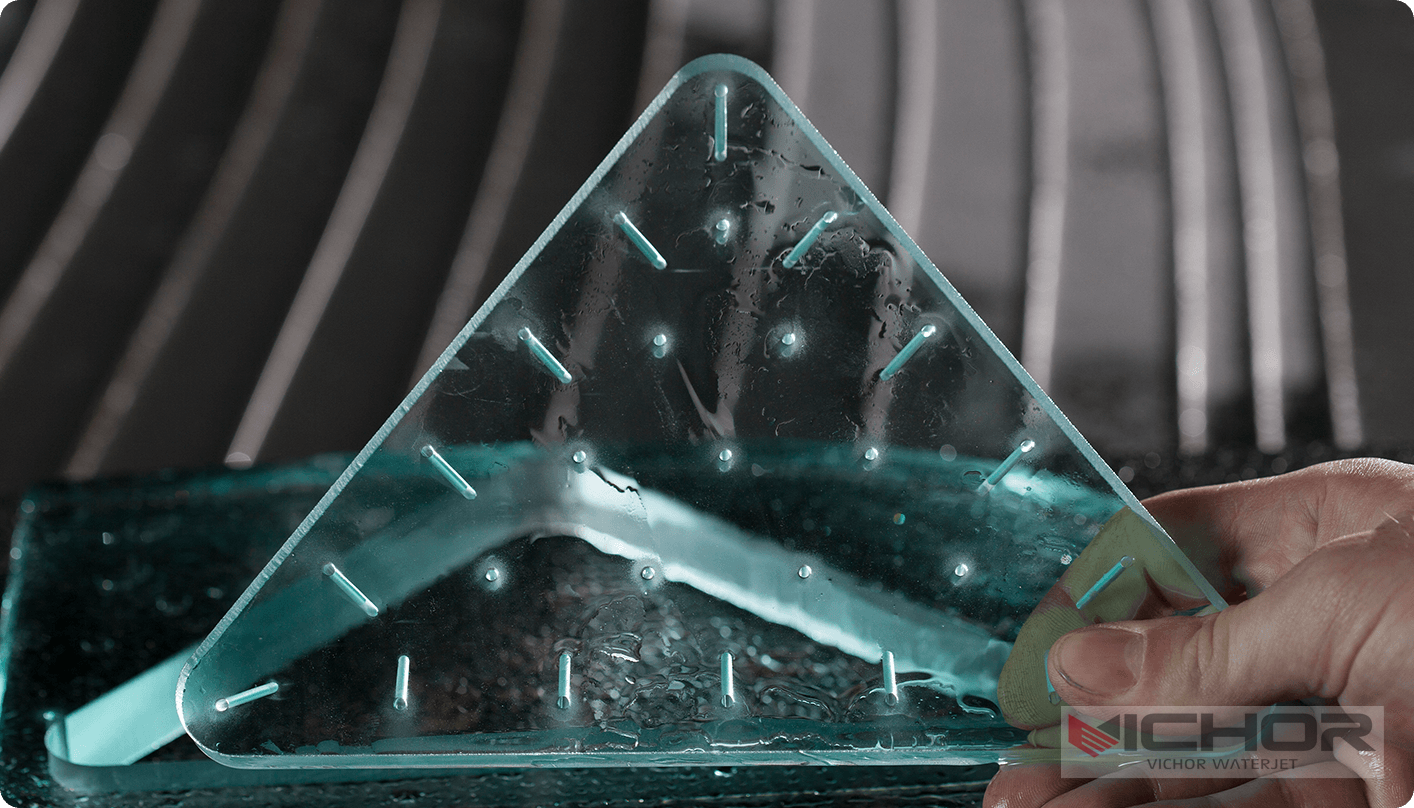
The primary selling point of any water jet is its ability to cut almost any material. A water jet desktop retains this superpower. Laser cutters are great, but they struggle with reflective metals like copper and aluminum. They also cannot cut thick glass or stone without fracturing it.
With a water jet desktop, you can move from cutting a soft rubber gasket for a vintage car engine to cutting a 0.5-inch thick titanium plate for a drone prototype. There is no tool change required. You simply adjust the software settings for speed and abrasive flow.
This versatility makes the water jet desktop a favorite in university engineering labs. Students can work with composites, ceramics, and metals on the same machine. VICHOR has seen increased interest from sectors that require this flexibility, proving that you do not need a machine the size of a car to do heavy lifting.
Why VICHOR Enters the Compact Conversation
In the world of fluid dynamics and high-pressure cutting, VICHOR is a name associated with reliability. While they are known for robust industrial systems, the principles they apply to large machines are vital for the water jet desktop market as well.
A common issue with entry-level water jet desktop machines is the pump life. Small pumps often run hot and wear out seals quickly. VICHOR focuses on the durability of these high-pressure components. If you are running a water jet desktop for production, even if it is low volume, downtime is unacceptable.
By integrating industrial-grade seal technology and precision-machined cutting heads into smaller formats, manufacturers can offer a water jet desktop that lasts. It is about bringing professional reliability to the hobbyist or prosumer price point.
Applications for Small-Format Water Jets
Who actually buys a water jet desktop? The user base is surprisingly diverse.
Jewelry designers are a prime example. Cutting intricate shapes out of silver, gold, or titanium is difficult with traditional saws. A water jet desktop can trace complex vector files with a kerf (cut width) of roughly 1mm. This allows for nesting parts tightly, saving expensive precious metals.
Electronics repair and modification shops also utilize the water jet desktop. Cutting customized circuit boards (PCBs) or modifying aluminum enclosures for custom server racks is effortless. The cold cutting process ensures that sensitive electronic components are not damaged by heat, which is a risk with laser cutting.
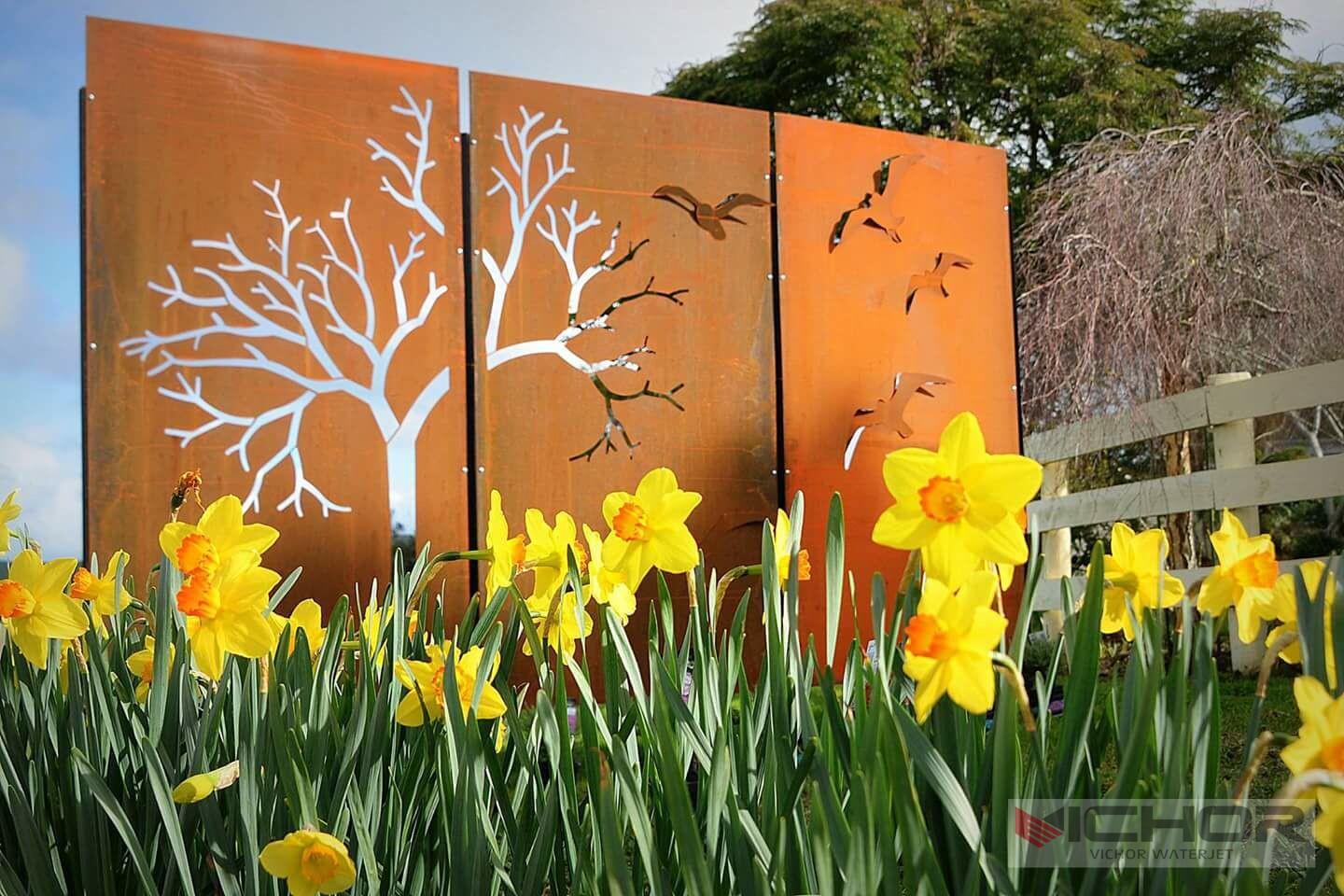
Furthermore, the automotive restoration community loves the water jet desktop. Making custom brackets, flanges, or dashboard panels for rare vehicles becomes a simple CAD-to-cut workflow.
The Cost of Ownership
Price is always a major factor. An industrial machine can cost upwards of $150,000. A water jet desktop is significantly more affordable, often landing in the $10,000 to $30,000 range, depending on features.
However, the purchase price is just the beginning. When evaluating a water jet desktop, you must consider running costs. These machines consume abrasive garnet. They also consume water and electricity.
Unlike a laser, which consumes only electricity and gas, a water jet desktop has consumables that you physically handle. You will need to buy buckets of abrasive. You will need to replace the nozzle mixing tube periodically. VICHOR advises potential buyers to calculate the cost per hour. Typically, a water jet desktop is cheaper to run than outsourcing, but it does require a budget for consumables.
Installation and Environment
One of the biggest advantages of a water jet desktop is the ease of installation. You do not need to pour a concrete foundation. Most units are on casters and can be rolled through a standard door.
However, a water jet desktop does have environmental needs. It needs a water source (often a standard garden hose spigot works) and a drain. It allows for a cleaner shop, but it is a wet process. You will be dealing with a tank full of water and abrasive sludge (used garnet).
Noise is another factor. While quieter than open industrial machines, the pump on a water jet desktop still makes noise. It is comparable to a loud vacuum cleaner or a shop air compressor. Enclosed units help dampen this sound, making them suitable for shared workspaces.
Software: The Brain of the Machine
The hardware is only as good as the software driving it. The target audience for a water jet desktop is often less experienced than a master machinist. Therefore, the software needs to be intuitive.
Most modern water jet desktop solutions come with software that accepts standard DXF or SVG files. You import your design, select your material (e.g., “Aluminum, 6mm”), and the software calculates the path and speed.
This ease of use is critical. It democratizes manufacturing. An engineer can design a part in SolidWorks, export it, and have it on the water jet desktop cutting bed in five minutes. This rapid iteration cycle is the main value driver for innovation labs.
Comparing Desktop vs. Industrial Systems
It is important to manage expectations. A water jet desktop is not a replacement for a 5-axis industrial gantry if you are cutting 6-inch steel all day.
Speed is the main differentiator. A water jet desktop has less horsepower. It will cut thick material, but it will do so slowly. If your production requires cutting thousands of parts a day, you need an industrial VICHOR system. If you need ten parts a week, the water jet desktop is perfect.
Maintenance intervals are also different. Industrial machines are built to run 24/7. A water jet desktop is generally designed for intermittent use. Running it for 8 hours straight every day will accelerate wear on the smaller pumps.
Maintenance of Your Compact Machine
Owning a water jet desktop means you are now a part-time mechanic. High-pressure water destroys everything eventually, including the machine parts.
Key maintenance points include the high-pressure seals and the nozzle. On a water jet desktop, changing a nozzle is usually a five-minute job. Changing seals might take an hour.
Cleanliness is vital. The used abrasive forms a sludge in the bottom of the tank. On a large machine, a truck pumps this out. On a water jet desktop, you will likely be scooping it out by hand or using a small shop vac system. Keeping the machine clean ensures accuracy and longevity.
Safety Considerations
Even though it is small, a water jet desktop is powerful. The stream can sever fingers instantly. This is why the enclosed design is mandatory for this form factor.
Sensors on the door usually prevent the machine from running if it is open. This makes the water jet desktop safer than many table saws or lathes found in the same shop. It is a user-friendly introduction to CNC machining for students and apprentices.
The Future of Compact Manufacturing
The trend is moving towards decentralization. Instead of one giant factory supplying the world, we are seeing micro-factories pop up everywhere. The water jet desktop is a key pillar of this movement.
As pump technology improves, we will see higher pressures in smaller packages. This will increase the cutting speed of the water jet desktop, closing the gap with industrial machines.
VICHOR continues to monitor this space, adapting their industrial expertise to serve the growing demand for compact, high-performance cutting solutions. Whether you are a startup in a garage or a lab in a university, the ability to cut any material on your desk is a game changer.
Choosing the Right Water Jet Desktop
When you are ready to buy, look at the support network. A water jet desktop is a complex system. Does the seller offer spare parts? is there a phone number to call when the pump loses pressure?
Check the bed size. A water jet desktop usually has a cutting area around 12×12 inches or 12×18 inches. Ensure your standard stock material fits.
Finally, look at the community. Popular water jet desktop models have forums where users share settings and tips. This knowledge base is invaluable for new users.
Conclusion
The water jet desktop has democratized high-pressure cutting. It has removed the barriers of cost and space, allowing anyone to work with titanium, granite, and glass. For the modern maker, it is the ultimate tool for turning digital designs into physical reality.
By partnering with trusted names in the industry and understanding the capabilities of the machine, adding a water jet desktop to your workflow can yield a massive return on investment. It is not just about cutting metal; it is about cutting the time between an idea and a finished product.
Frequently Asked Questions
Q1: What is the maximum thickness a water jet desktop can cut?
A1: While it varies by material, a typical water jet desktop can cut soft metals like aluminum up to 1 inch (25mm) thick. For harder materials like stainless steel, 0.5 inches (12mm) is a common practical limit. It can physically cut thicker, but the speed becomes very slow and the edge quality may degrade.
Q2: Does a water jet desktop require a special electrical outlet?
A2: Most water jet desktop units are designed to run on standard household power (110V or 220V single phase). However, they draw a significant amount of current, so it is often recommended to have a dedicated circuit breaker for the machine to prevent tripping during long cuts.
Q3: How much abrasive does a water jet desktop use?
A3: A water jet desktop consumes abrasive (garnet) at a rate of roughly 0.3 to 0.5 pounds per minute while cutting. This is significantly less than industrial machines, but it still adds up. You will need to factor the cost of garnet and shipping into your project budgets.
Q4: Can VICHOR technology be found in desktop-sized machines?
A4: VICHOR primarily specializes in industrial-grade solutions. However, the engineering principles of high-pressure stability and precision cutting heads championed by VICHOR are the gold standard that high-quality water jet desktop manufacturers aim to emulate. Some custom compact solutions may utilize VICHOR components.
Q5: Is a water jet desktop noisy?
A5: Yes, but it is manageable. The cutting process itself is loud, and the pump creates a hum. However, because a water jet desktop is fully enclosed, the noise level is usually around 70-80 decibels, which is similar to a vacuum cleaner. It is loud enough to require voice raising but generally safe for short durations without heavy ear protection, though protection is always recommended.