Water Jet Cutting Marble: A Comprehensive Guide to Precision Stone Fabrication
Marble is a classic and elegant material used in homes and commercial spaces. Cutting it into intricate shapes requires precision and care. Water jet cutting marble has become the preferred method for fabricators. It offers unmatched accuracy and design flexibility.
This guide explains how this technology works. It details its benefits over traditional methods. For architects, designers, and fabricators, understanding this process is key to unlocking marble’s full potential.
How Water Jet Cutting Works with Marble
Water jet cutting uses a high-pressure stream of water. For hard materials like marble, an abrasive grit is added to the stream. This mixture erodes the stone along a programmed path.
The process is controlled by a computer. A digital design file guides the cutting head. This results in highly accurate cuts every time.
The stream is very thin, about 0.04 inches. This minimizes material waste. No heat is generated during water jet cutting for marble, so there is no risk of thermal stress or cracking in the stone.
Applications in the Stone and Design Industries
The applications for water jet cutting marble are extensive. In residential projects, it is used for custom kitchen countertops with integrated drainboards. It creates detailed vanity tops and shower wall panels.
Commercial designers use it for elaborate floor inlays and lobby features. Restaurants and hotels use water-cut marble for decorative partitions and signage.
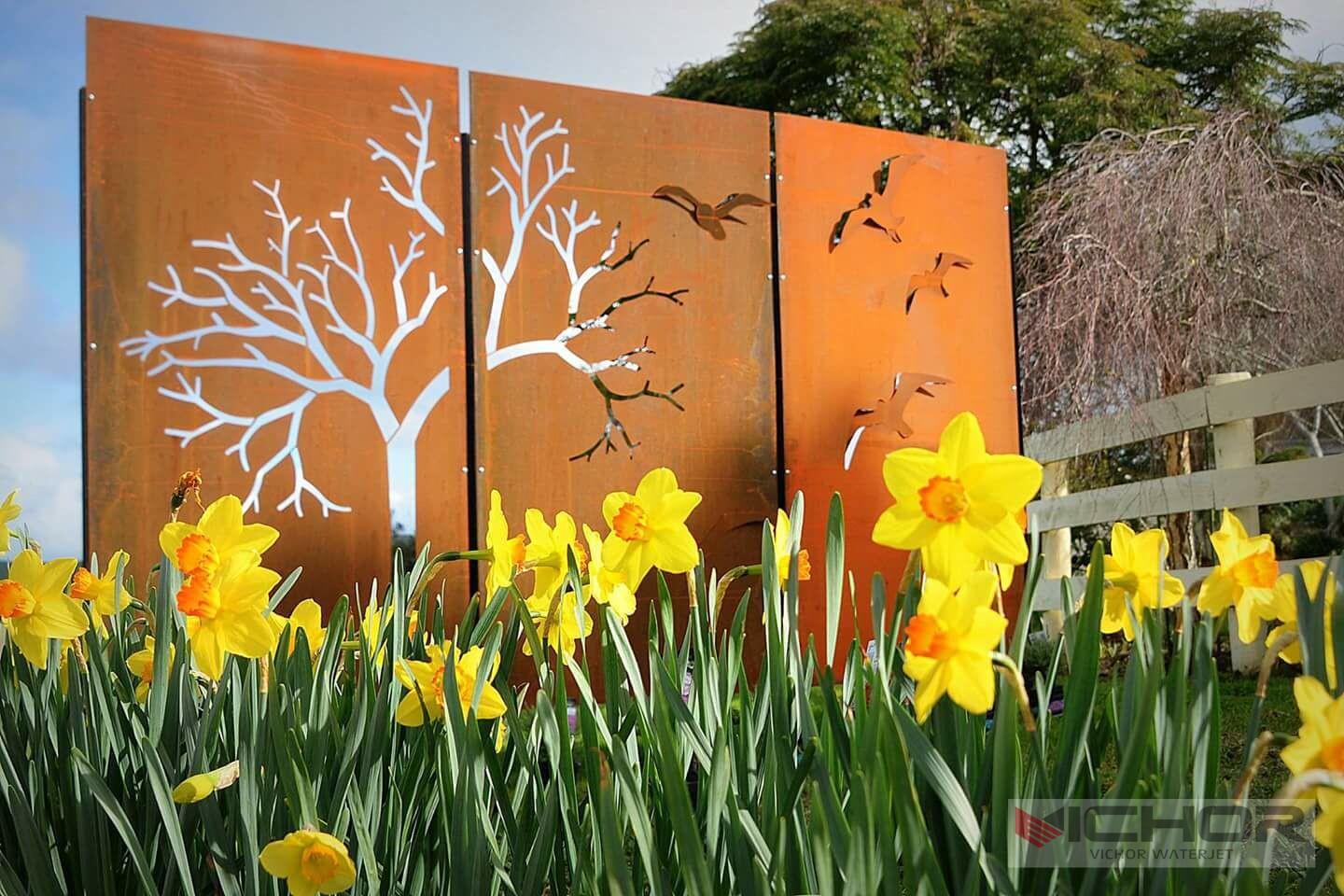
Artists and sculptors employ this technology to create complex marble artworks. The ability to produce delicate patterns makes it invaluable for high-end interior design.
Key Benefits and Advantages
The primary benefit is precision. Water jets can cut extremely complex shapes with sharp corners. This is impossible with traditional saws.
There is no heat-affected zone. The marble’s structure and color remain unchanged. The cut edge is smooth and often requires less polishing.
Versatility is another major advantage. The same machine can cut a delicate filigree pattern and then switch to cutting thick slabs for stairs. It can also handle other stones like granite, quartz, and travertine.
This method reduces material waste. Nesting software arranges parts efficiently on a slab. This optimization lowers material costs for fabricators.
Choosing a Water Jet Machine for Marble Work
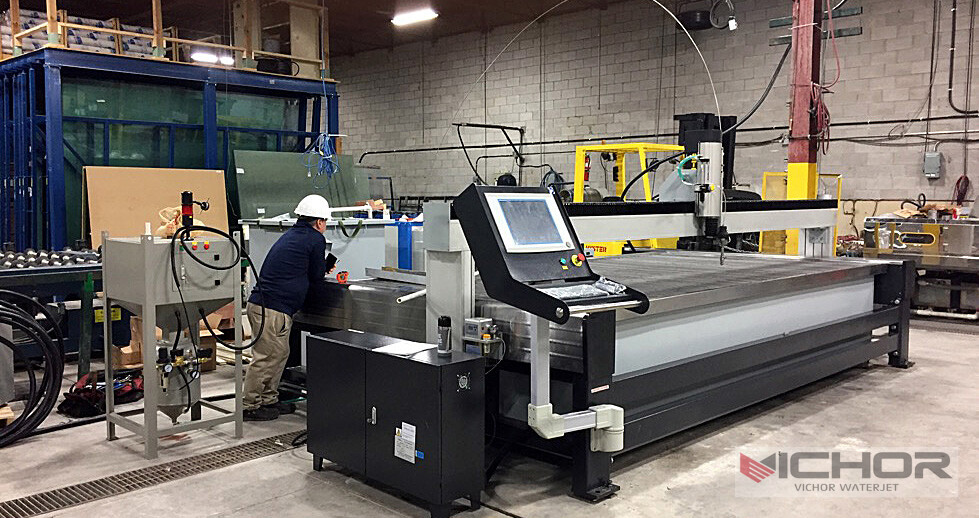
Fabricators looking to invest in this technology must consider several factors. Table size is critical. It must accommodate the full slabs commonly used in the industry.
A robust machine structure is necessary to handle the weight of marble slabs. Vibration must be minimized to ensure edge quality.
The pump’s horsepower determines cutting speed and capability. A higher horsepower pump is better for production environments. It cuts thicker marble more efficiently.
Brands like VICHOR design machines with stone fabrication in mind. They offer models with the stability and power needed for consistent marble cutting with water jets.
Cost Factors and Investment Considerations
The cost of water jet cutting marble services varies. It depends on the complexity of the design, the thickness of the stone, and the volume of work. Intricate designs with many curves cost more per linear foot than straight cuts.
For fabricators purchasing a machine, the initial investment is significant. However, it can be justified by increased capabilities and reduced labor for complex tasks.
Operational costs include electricity, abrasive garnet, and maintenance. High efficiency in abrasive usage can improve overall profitability. The return on investment comes from offering premium, custom work that commands higher prices.
Services from Professional Cutting Providers
Many businesses use dedicated water jet service centers. These providers offer design consultation. They help translate a concept into a cut-ready file.
They handle the entire process from material sourcing to cutting and finishing. This is ideal for designers or contractors who need specific marble pieces without machine ownership.
Key service aspects include project management, quality control, and safe packaging for shipping. Choosing a provider with extensive stone experience is crucial for a good result.
Solutions for Common Marble Fabrication Challenges
Water jet technology solves specific problems in marble work. Creating perfect geometric inlays for floors was once highly labor-intensive. Water jets now produce interlocking pieces with impeccable fit.
Cutting detailed logos or text into marble slabs is straightforward. The technology allows for variable depth etching or full cuts.
For restoring historical buildings, water jets can replicate damaged or missing ornate marble elements. This provides a perfect match to original pieces.
Working with brittle or veinous marble is less risky. The non-contact, cold-cutting process does not stress the stone, preventing cracks along natural veins.
Frequently Asked Questions
Q1: What is the accuracy of water jet cutting on marble?
A1: Water jet cutting is highly accurate, typically within a tolerance of ±0.005 inches (±0.13 mm). This precision allows for tight-fitting joints in complex inlay work and consistent reproduction of detailed designs.
Q2: Does water jet cutting leave a rough edge on marble?
A2: The cut edge is smoother than that from a diamond saw but may have a slightly matte texture. It often requires less polishing compared to traditional methods. The edge quality is consistent and can be finely polished to a high gloss if needed.
Q3: How fast is water jet cutting compared to sawing marble?
A3: For simple straight lines, a bridge saw may be faster. However, for any complex shape, water jet cutting marble is significantly faster. It completes intricate patterns in a single pass without additional tooling changes, saving overall production time.
Q4: What is the maximum thickness of marble that can be cut with a water jet?
A4: Industrial-grade water jets can cut marble over 6 inches (150 mm) thick. The cutting speed slows down with increased thickness. For most architectural applications, cutting 2-inch (50 mm) or 3-inch (75 mm) slabs is common and efficient.
Q5: Is it cost-effective to use water jet cutting for a small, one-time marble project?
A5: Yes. Using a professional water jet service is very cost-effective for small or custom projects. It eliminates the need for expensive tooling or templates. You pay for the precise cutting service without the capital investment, making unique designs accessible for single installations.