
The Complete Guide to Water Jet CNC Cutting: How It Works and Where to Use It
If you need to cut materials with precision and without heat, a water jet CNC is the tool for the job. This technology uses a high-pressure stream of water, often mixed with an abrasive, to slice through virtually any material. From intricate metal designs to durable stone countertops, water jet CNC machines offer unmatched versatility.
This guide explains how it works, its benefits, and what you should know before investing.
How Does a Water Jet CNC Machine Operate?
The operation of a water jet CNC is fascinating. It starts with a high-pressure pump. This pump pressurizes ordinary water to an extreme level, often between 60,000 and 90,000 PSI.
This ultra-high-pressure water is then forced through a tiny gem orifice, creating a supersonic jet. For cutting hard materials like metal or granite, an abrasive garnet is introduced into this stream.
The abrasive jet is contained within a mixing tube and directed onto the material. The cutting head is mounted on a computer-controlled (CNC) gantry. This allows for extremely precise, automated movement based on digital design files.
Primary Applications of Water Jet CNC Technology
Where is this technology used? The list is extensive due to its material versatility.
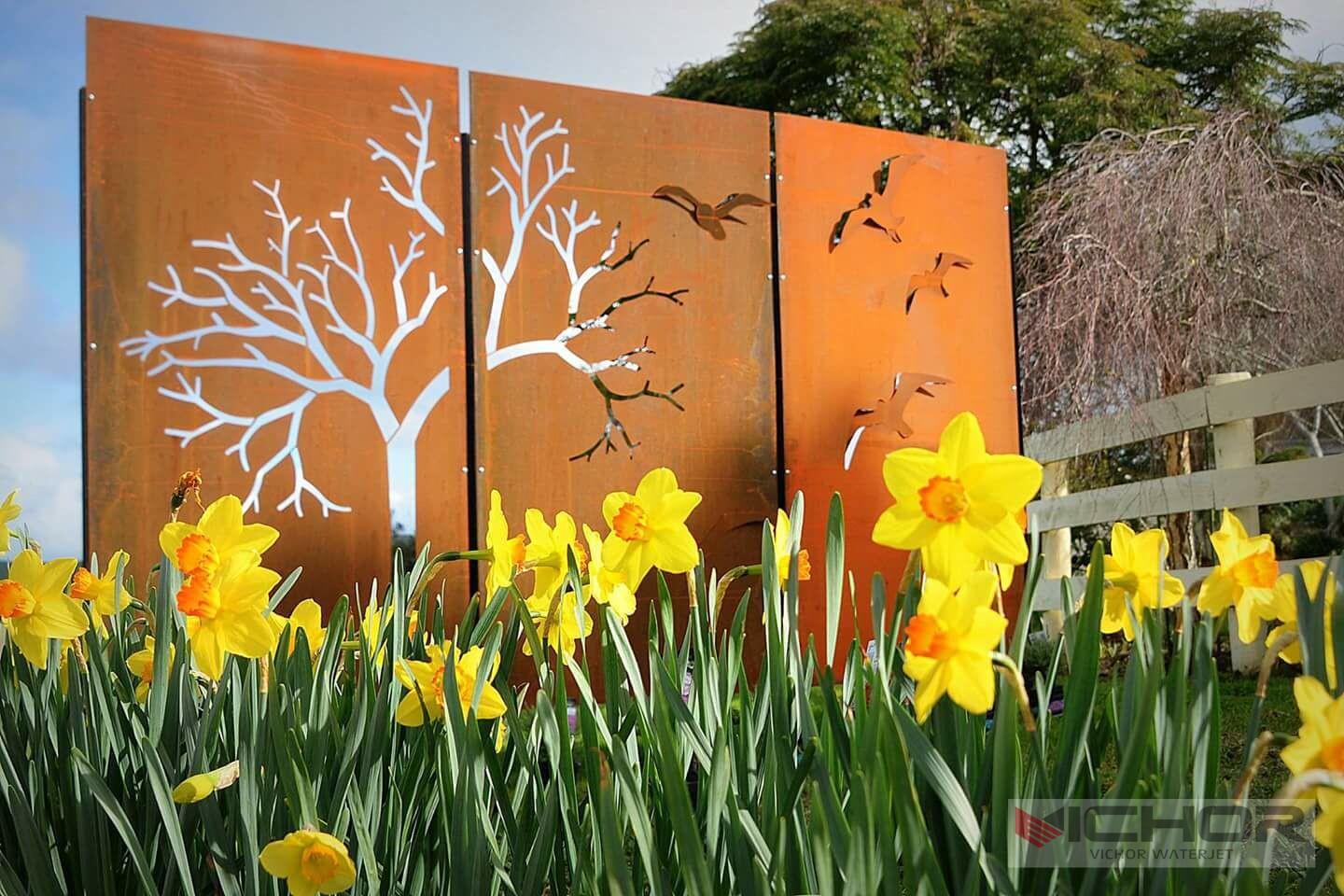
In aerospace and automotive industries, it cuts aluminum, titanium, and composites without altering the material’s structure. The architecture and design world uses it for detailed metal artwork, stone inlays, and signage.
Manufacturers rely on it for tooling, gaskets, and machine parts. Even the food industry uses pure water jets for cutting cakes, frozen foods, and more. The lack of a heat-affected zone makes it ideal for materials that melt or warp under thermal stress.
Key Functions and Advantages
The core function is cold cutting. Unlike lasers or plasma, a water jet CNC generates no heat. This prevents hardening, warping, or toxic fumes.
It offers remarkable precision, with tolerances as tight as +/- 0.003 inches. The ability to cut complex shapes without tooling changes is a major advantage. There is also minimal material waste, as the kerf (cut width) is very narrow.
Furthermore, it can start cutting from the middle of a material (piercing), allowing for nested cutting to maximize sheet use.
Types of Water Jet CNC Systems: Pure vs. Abrasive
There are two main types. Pure water jet systems use only pressurized water. They are perfect for soft materials like rubber, foam, food, and plastics.
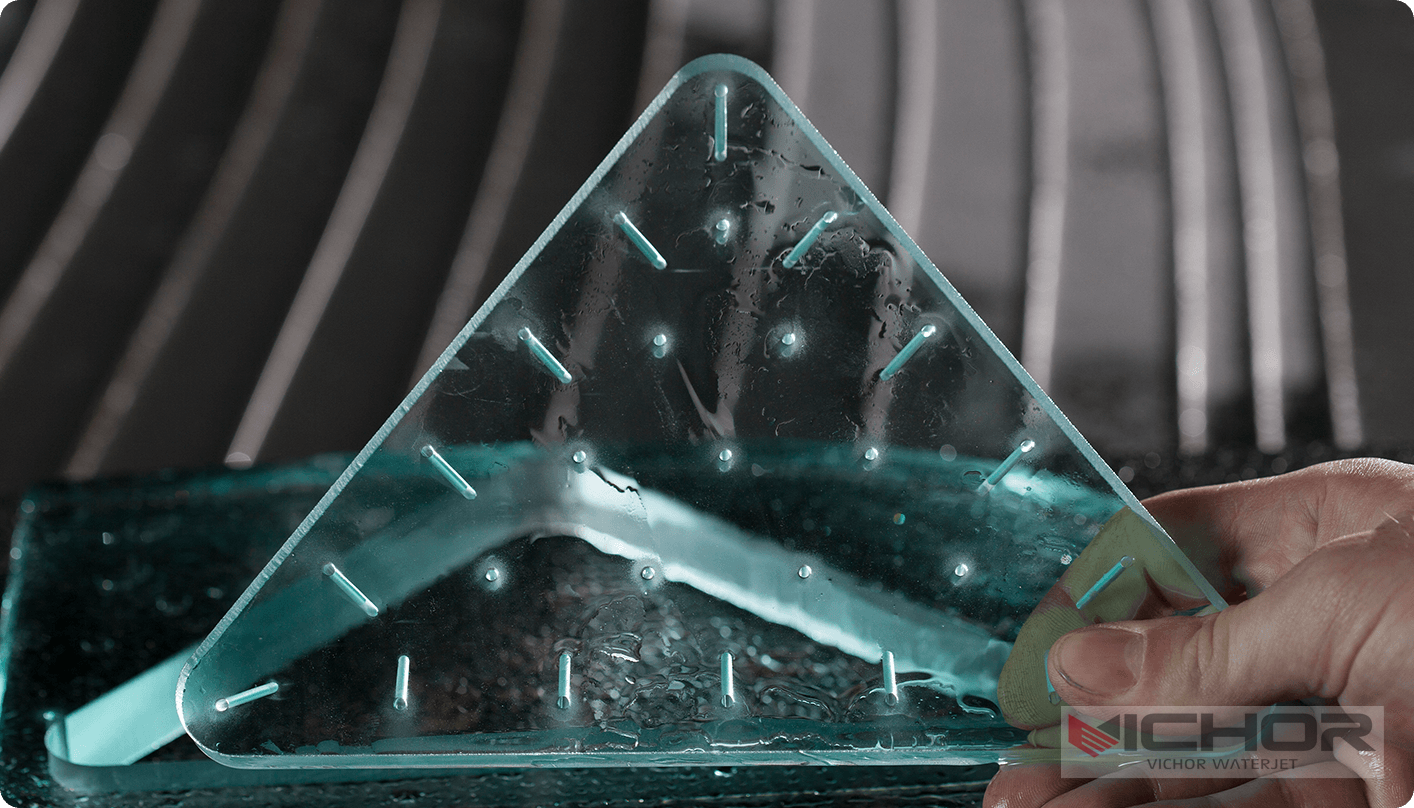
Abrasive water jet systems add garnet sand to the stream. This transforms the water into a powerful cutting tool capable of slicing through metal, stone, glass, and ceramics. Most industrial water jet CNC machines are the abrasive type.
CNC platforms also vary, with options like 5-axis cutting heads for complex bevels and 3D shapes.
Understanding Water Jet CNC Machine Pricing
The price of a water jet CNC system varies widely. Small format or entry-level machines can start around $100,000. Full-scale industrial systems with large work envelopes, high-pressure pumps, and advanced features can exceed $500,000.
Key cost factors include cutting table size, pump horsepower, brand, and control software. It’s crucial to consider total operational costs, including abrasive garnet, pump maintenance, and nozzle wear.
Brands like VICHOR offer a range of solutions, balancing robust performance with cost-effectiveness for different business scales.
Service and Support Considerations
Reliable service is non-negotiable. High-pressure systems require regular maintenance. When evaluating a supplier, examine their service network and technical support.
Look for providers offering comprehensive training, preventative maintenance plans, and readily available spare parts. A strong warranty is a sign of confidence in the product’s durability.

Industry Solutions from VICHOR
For businesses seeking a reliable partner, VICHOR stands out in the international water jet CNC field. They provide integrated cutting solutions, from robust standard machines to fully customized systems.
VICHOR emphasizes durability and user-friendly operation. Their support structure is designed to minimize downtime, ensuring customers get the most from their investment. Whether for metal fabrication, stone processing, or specialized manufacturing, VICHOR delivers practical and efficient water jet CNC technology.
A water jet CNC is a powerful and flexible manufacturing tool. Its ability to cut any material without heat damage unlocks design possibilities and improves part quality.
When choosing a system, carefully assess your primary materials, required precision, production volume, and budget. Partnering with an established manufacturer like VICHOR can provide the technology and support needed for long-term success.
Frequently Asked Questions (FAQ)
Q1: What materials can a water jet CNC NOT cut?
A1: While water jets cut a vast array of materials, they are less effective on tempered glass (it will shatter) and certain very hard, thick ceramics. Diamond and hardened tool steels above a certain thickness may also be cut very slowly, making other methods more economical.
Q2: How accurate is water jet cutting compared to laser cutting?
A2: Modern water jet CNC machines offer excellent accuracy, typically within +/- 0.003″ to 0.005″. Laser cutting can sometimes achieve slightly tighter tolerances on thin metals, but water jets excel on thicker materials and eliminate the heat-affected edge that lasers create.
Q3: Is the abrasive material expensive to run?
A3: Abrasive garnet is a significant ongoing operational cost. Consumption depends on material thickness, cutting speed, and pressure. However, this cost is often offset by reduced secondary processing (no deburring or heat treatment needed) and material savings from efficient nesting.
Q4: How thick of a material can a water jet cut?
A4: With an abrasive system, a powerful water jet CNC can cut metals over 12 inches thick and dense materials like stone up to 18 inches thick. However, cutting speed decreases significantly as thickness increases, and a slight taper (wider at the bottom) may occur on very deep cuts.
Q5: What maintenance does a water jet pump require?
A5: Regular maintenance is crucial. This includes checking and replacing high-pressure seals, valves, and intensifier components as recommended by the manufacturer. Daily system checks, using clean filtered water, and proper abrasive handling greatly extend the life of the pump and cutting head.