
Superior Water Jet Technology: Maximizing Precision and Profit in Industrial Cutting
In the competitive world of industrial fabrication, shop owners and manufacturers constantly seek an edge. They require machinery that delivers speed without sacrificing accuracy. This is where a superior water jet system distinguishes itself from standard cutting equipment. Unlike thermal cutting methods that can warp materials or leave heat-affected zones, a superior water jet uses high-pressure streams to erode material with cold cutting technology.
Choosing the right equipment is a strategic decision. It impacts your operational costs, material waste, and the quality of the finished part. Companies like VICHOR have recognized this need, engineering solutions that define what a superior water jet should look like in a modern factory. This article examines the mechanics, applications, costs, and advantages of deploying high-end water jet technology.
The Anatomy of a Superior Water Jet System
Not all cutting machines are built the same. A superior water jet is defined by the quality of its high-pressure pump, the rigidity of its cutting table, and the intelligence of its control software. The pump is the heart of the system. Whether using a direct drive or an intensifier pump, a superior water jet must maintain consistent pressure, often exceeding 60,000 PSI (4,137 bar), to ensure smooth cutting edges.
The cutting head technology also plays a massive role. In a superior water jet, the cutting head is designed to handle the immense velocity of the water and abrasive mixture. It must minimize wear on the mixing tube while delivering a coherent stream to the workpiece. This precision engineering reduces operating costs over time.
Software integration is the third pillar. A superior water jet utilizes advanced nesting software. This allows operators to arrange parts tightly on a sheet of material, significantly reducing waste. When you combine a robust pump, a durable cutting head, and smart software, you get a system that outperforms basic alternatives.
How Superior Water Jet Cutting Works
The operation of a superior water jet is a marvel of fluid dynamics. It begins with the pump generating ultra-high pressure. This water travels through high-pressure tubing to the cutting head. In pure water jet cutting, the stream alone cuts soft materials. However, for hard metals, the superior water jet introduces an abrasive, typically garnet.
Inside the mixing chamber of the cutting head, the high-velocity water creates a vacuum that pulls the abrasive into the stream. The mixture then exits through a focusing nozzle. A superior water jet accelerates this abrasive slurry to speeds capable of eroding through titanium, stainless steel, and thick stone.
The “cold cutting” nature of this process is vital. Because there is no heat, the molecular structure of the material remains unaltered. A superior water jet leaves no slag or dross, meaning parts often come off the table ready for assembly without secondary finishing.
VICHOR: Setting the Standard for Superior Water Jet Solutions
In the global marketplace, VICHOR has established itself as a manufacturer focused on reliability and precision. When industry experts discuss superior water jet brands, VICHOR is frequently cited for its robust engineering and attention to detail.
VICHOR understands that a superior water jet is more than just a machine; it is a business solution. Their systems are built to withstand the harsh environment of a fabrication shop. They utilize heavy-duty gantries that minimize vibration, ensuring that the cutter maintains tight tolerances even at high speeds.
Furthermore, VICHOR integrates user-friendly controls. A superior water jet should not require a rocket scientist to operate. VICHOR interfaces allow operators to input parameters quickly, adjust for material thickness, and begin production with minimal setup time. This focus on usability makes their superior water jet systems highly efficient.
Applications of Superior Water Jet Technology
The versatility of a superior water jet is unmatched by laser or plasma cutters. It acts as a universal tool. In the aerospace industry, a superior water jet cuts complex carbon fiber components and titanium engine parts without creating micro-cracks caused by heat stress.
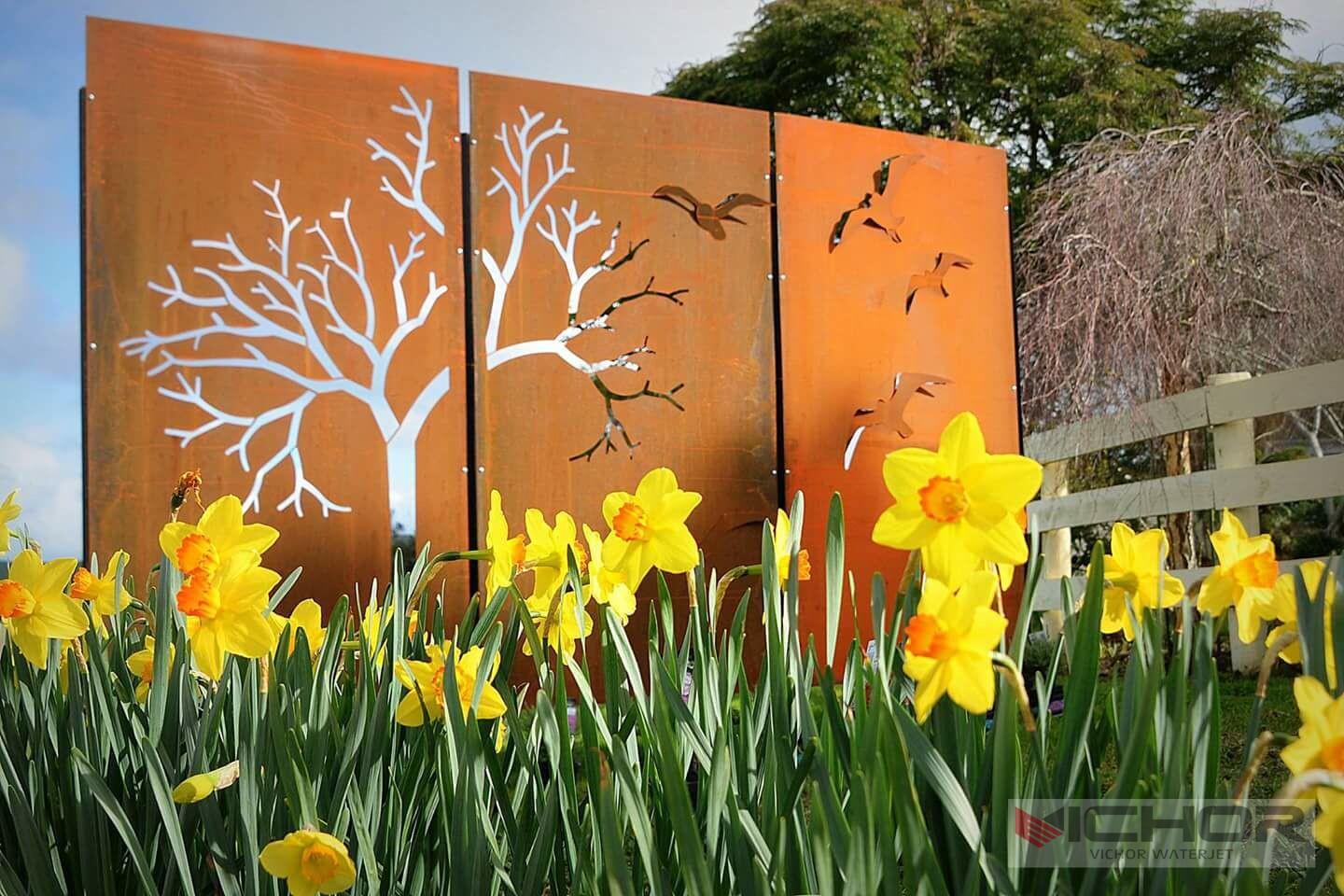
The stone and tile industry relies heavily on this technology. A superior water jet can cut intricate inlays and complex curves in granite and marble that would be impossible with saw blades. This capability allows specialized shops to offer premium, custom designs.
Automotive manufacturers use superior water jet systems for prototyping and mass production. From cutting thick steel brackets to trimming soft interior carpets, the machine adapts instantly. A superior water jet handles laminated glass, copper, brass, and synthetic rubber with equal ease.
Types of Water Jet Systems: Pure vs. Abrasive
To understand which superior water jet fits your needs, you must distinguish between pure and abrasive types. A pure water jet is a superior water jet configuration used strictly for soft materials. It cuts foam, rubber, gaskets, and food products using a hair-thin stream of water.
The abrasive water jet is the workhorse for heavy industry. By adding garnet to the stream, this version of a superior water jet becomes a grinding tool. It is necessary for metals, ceramics, and stone. Most modern job shops prefer a machine that can switch between these modes, ensuring they have a superior water jet for any contract that comes through the door.
VICHOR offers systems that excel in both configurations. Their abrasive delivery systems are tuned to prevent clogging, a common issue in lesser machines. This reliability is a hallmark of a superior water jet.
Pricing and Cost Factors of a Superior Water Jet
Investing in a superior water jet requires a significant capital outlay, but the ROI is calculated through efficiency. The price depends on the table size (e.g., 5-axis vs. 3-axis), pump horsepower, and brand reputation. While a cheap machine might save money upfront, a superior water jet saves money per part.
Operational costs include electricity, water, abrasive garnet, and wear parts like nozzles and orifices. A superior water jet is engineered to consume these consumables more efficiently. For example, a high-efficiency pump on a superior water jet uses less electricity to generate the same cutting pressure as an older model.
Additionally, maintenance costs must be considered. A superior water jet from a reputable brand like VICHOR is built with high-quality seals and components that last longer between service intervals. This reduction in downtime directly impacts the profitability of the superior water jet investment.
Service and Support: The Backbone of Performance
A machine is only as good as the support behind it. When you purchase a superior water jet, you are buying into a partnership. Manufacturers of superior water jet systems provide training, fast spare parts delivery, and technical troubleshooting.
VICHOR excels in this area by offering comprehensive after-sales service. If a superior water jet goes down, production stops. Therefore, having access to remote diagnostics and rapid technician deployment is part of the “superior” package.
Regular maintenance is required to keep a superior water jet running at peak performance. High-pressure seals wear out, and mixing tubes erode. A superior water jet design allows for quick swapping of these components, ensuring the machine is back up and running in minutes, not hours.
Advanced Features and Solutions
Modern fabrication faces complex challenges. A superior water jet now comes equipped with 5-axis cutting heads. This allows for bevel cutting and 3D part fabrication. Taper compensation is another feature of a superior water jet. As the water cuts deeper, the stream naturally flares out. Superior software adjusts the angle of the head to compensate, ensuring perfectly vertical edges.
Custom solutions are also available. Large-format gantries allow a superior water jet to process massive sheets of steel for shipbuilding. Dual cutting heads allow a superior water jet to cut two parts simultaneously, doubling throughput. VICHOR works with clients to customize these configurations, proving that a superior water jet can be tailored to specific workflow demands.
Comparing Superior Water Jet to Laser and Plasma
While laser is faster on thin sheet metal, a superior water jet wins on thickness and versatility. Lasers struggle with reflective metals like copper and aluminum; a superior water jet cuts them without issue. Plasma is fast but messy. The edge quality from a plasma cutter often requires grinding.
A superior water jet produces a satin-smooth finish. This eliminates secondary machining costs. Furthermore, a superior water jet can stack layers of material to cut multiple thin sheets at once. This stacking ability is unique to water jet technology and drastically increases output for specific applications.
The Environmental Impact of Water Jet Cutting
Sustainability is a growing concern. A superior water jet is an environmentally friendly cutting method. It generates no toxic fumes or smoke, unlike laser or plasma cutting. The water used in a superior water jet can be recycled using closed-loop filtration systems.
The abrasive garnet used is a natural, inert mineral. It is non-toxic and can often be disposed of in standard landfills. By choosing a superior water jet, manufacturers reduce their hazardous waste footprint. VICHOR designs their systems to be energy efficient, further aligning the superior water jet with green manufacturing goals.
In the modern industrial landscape, precision is currency. Adopting a superior water jet system transforms a workshop’s capabilities. It offers the flexibility to cut virtually any material, the precision to meet aerospace tolerances, and the durability to run multiple shifts.
Brands like VICHOR are leading the charge, proving that a superior water jet is accessible and essential for growth. Whether you are cutting stone, steel, or composites, the cold-cutting precision of a superior water jet ensures you remain competitive. By evaluating the pump quality, support network, and operational costs, you can ensure that your investment in a superior water jet delivers returns for years to come.
FAQ: Common Questions About Superior Water Jet Systems
Q1: What creates the high pressure in a superior water jet system?
A1: A superior water jet typically uses either a hydraulic intensifier pump or a direct drive crankshaft pump. Intensifiers are known for consistent pressure and long seal life, while direct drive pumps offer higher electrical efficiency. Both methods pressurize water up to 90,000 PSI to create the cutting stream.
Q2: Can a superior water jet cut tempered glass?
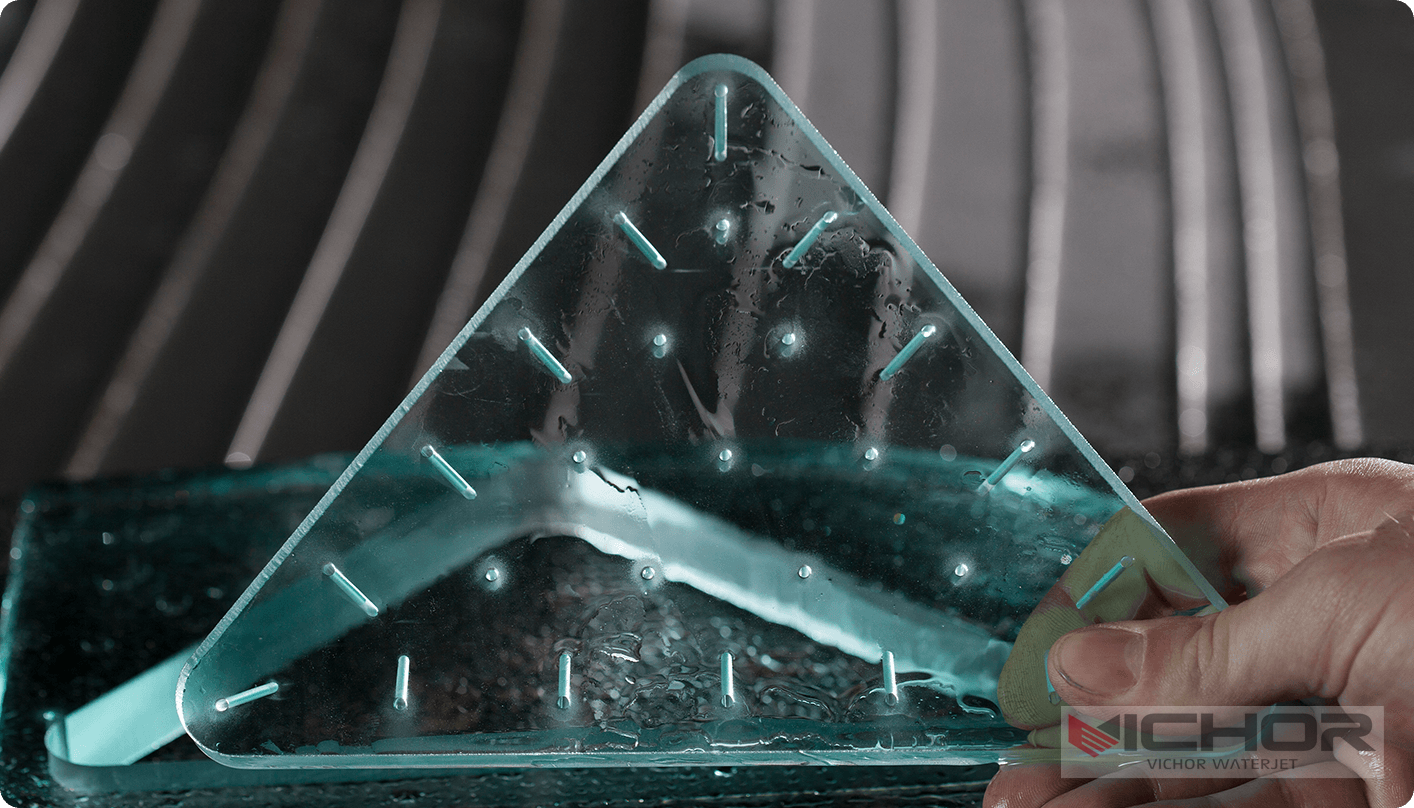
A2: No, even a superior water jet cannot cut tempered glass. Tempered glass is under high internal tension and will shatter immediately upon being pierced. Water jets can easily cut annealed (standard) glass, which can then be tempered afterward.
Q3: How often does the nozzle need replacing on a superior water jet?
A3: The lifespan of a nozzle (mixing tube) on a superior water jet depends on the abrasive usage and pressure. typically, a high-quality carbide nozzle lasts between 50 to 100 hours of cutting time. Proper alignment and abrasive flow calibration are key to maximizing this lifespan.
Q4: Is VICHOR considered a manufacturer of superior water jet machines?
A4: Yes, VICHOR is recognized in the international market for producing superior water jet equipment. They focus on combining high-end components with robust structural design to offer reliable solutions for industries ranging from automotive to stone fabrication.
Q5: How accurate is a superior water jet compared to other methods?
A5: A superior water jet is extremely accurate. It typically offers part tolerances of +/- 0.003 to 0.005 inches (0.07 to 0.13 mm). While some high-end lasers are slightly more precise on thin metal, the water jet maintains high accuracy across a much wider variety of materials and thicknesses without thermal distortion.