
Small Water Jet for Sale: A Practical Guide for Shops and Makers
If you’re searching for a “small water jet for sale,” you’re likely exploring a game-changing addition to your workshop. The idea of bringing this powerful technology in-house is exciting.
Compact waterjet systems have become more accessible. They offer real capabilities without the footprint or price tag of industrial giants.
This guide cuts through the marketing. We’ll look at what a small waterjet can actually do, key features, and honest costs to help you make an informed decision.
What Defines a “Small” Water Jet?
The term “small water jet” usually refers to two things: the physical size of the machine and its pressure capability.
Most often, it’s a benchtop or floor-standing unit with a cutting area under 4′ x 4′. The pump is typically a direct-drive or smaller intensifier system, often with pressures ranging from 30,000 to 60,000 PSI.
These machines are designed for smaller shops, prototyping labs, schools, and dedicated makers. They solve the problem of outsourcing small, complex cuts.
Finding the right small water jet for sale means matching its specs to your most common jobs, not just buying the cheapest option.
Pure Water vs. Abrasive: Choosing Your Type
This is a fundamental choice. Understanding the difference is crucial before you look for a small water jet for sale.
Pure water jets use water only at ultra-high pressure. They are perfect for cutting soft materials: rubber, foam, gaskets, food products, and thin plastics. They are cleaner and have lower operating costs.
Abrasive water jets introduce garnet sand into the stream. This lets you cut hard materials: metals (steel, titanium, aluminum), stone, tile, glass, and composites.
Many small abrasive waterjet systems are now available. They include a small abrasive hopper and mixing tube. If you need to cut anything harder than acrylic, you must focus your search on abrasive-capable models.
Who Actually Uses a Small Waterjet?
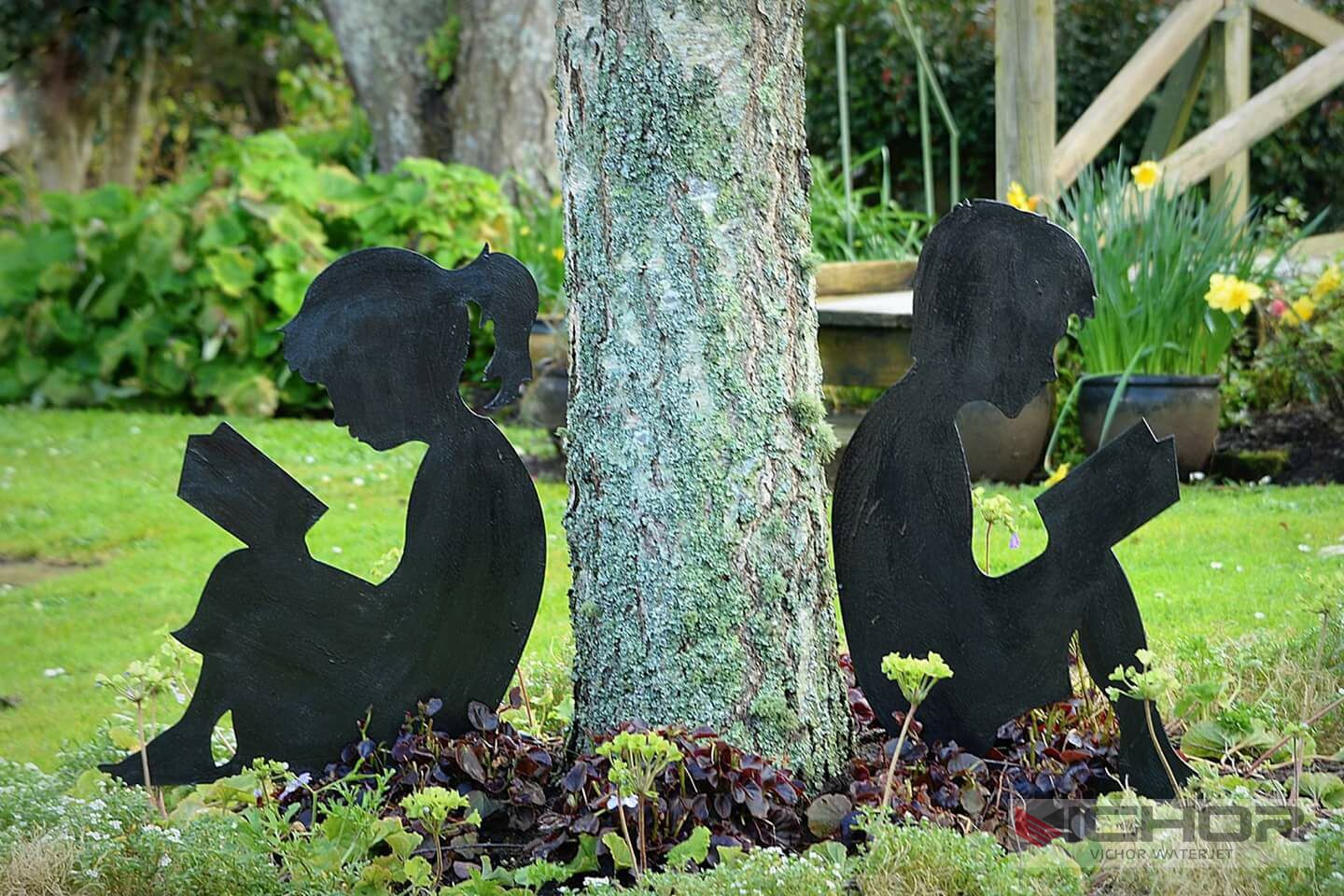
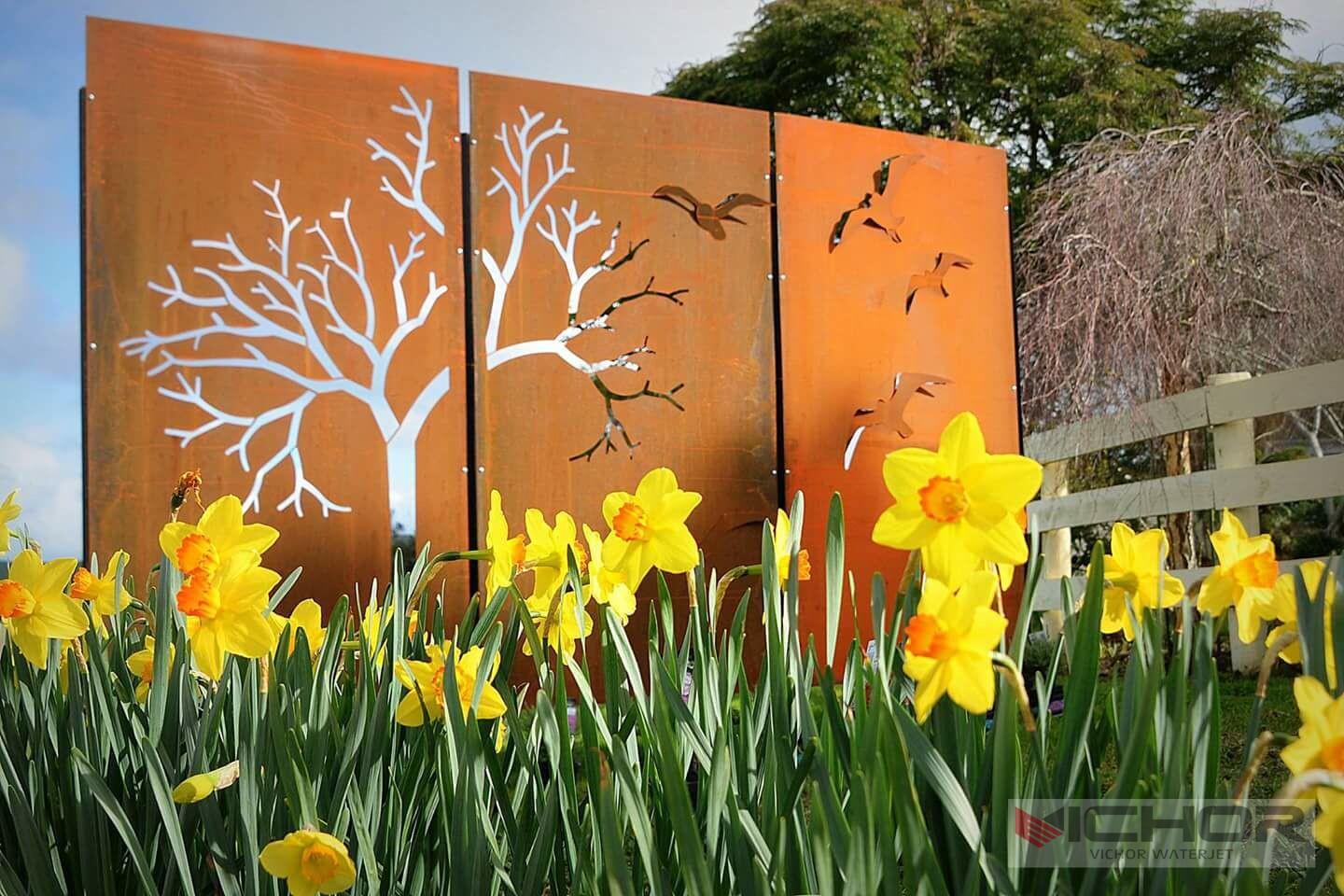
The applications are vast. A local metal art studio might use one to cut intricate designs from sheet steel for sculptures. A specialty fabrication shop could produce precise gaskets and seals on-demand from various materials.
Research and development departments love them for prototyping. They can quickly iterate parts from different materials without waiting for an outside vendor.
Even successful makers selling customized products online find value. Imagine producing bespoke stainless steel keychains, engraved stone coasters, or layered acrylic signs on your own schedule.
For these users, searching for a small water jet cutter for sale is about gaining control, speeding up production, and unlocking creative possibilities.
Key Features to Scrutinize When Buying
Don’t just look at the price tag. Dig into these specifications when evaluating a small water jet for sale.
First, pressure. Measured in PSI or MPa, higher pressure generally means faster cutting and ability to handle thicker materials. A 60,000 PSI pump will outperform a 30,000 PSI pump on stainless steel.
Second, cutting table and motion system. Is it a robust CNC-driven system or a simpler setup? Accuracy and repeatability depend on this. Look for linear guides and a stable frame.
Third, software. The included control software should be user-friendly. Can it import common file types (DXF, SVG)? Does it allow for nesting parts to save material?
Fourth, abrasive delivery system (if applicable). Is it a simple hopper or a more sophisticated, controlled feed? Consistent abrasive flow is key to cut quality.
Lastly, service and support. This is critical. Where are replacement parts like seals and high-pressure tubing sourced? Does the supplier offer training and technical support?
Breaking Down the Real Cost of Ownership
The purchase price is just the start. Let’s talk frankly about the costs associated with a small waterjet machine for sale.
The initial investment for a new, capable small abrasive system typically starts in the tens of thousands of dollars. Entry-level pure water systems cost less.
Then come the consumables. For abrasive cutting, garnet sand is a continuous expense. High-pressure pump seals and valves wear out and need scheduled replacement. The cutting head itself contains jewels (like ruby or diamond) and mixing tubes that are wear items.
Utilities matter. These machines use water and electricity. A water recycling or deionizing system can add to the cost but saves on water and improves cut quality.
Factor in space and installation. You need a solid floor, adequate power, and possibly a drain. Always get a clear quote for the total installed cost.
The Technology Inside a Compact System
The heart of any waterjet is its high-pressure pump. In small systems, you’ll often find two types: intensifier pumps and direct-drive pumps.
Intensifier pumps use hydraulic pressure to amplify water pressure. They are highly reliable and can sustain maximum pressure continuously. Brands like VICHOR have mastered this technology, offering compact intensifier pumps like the P80 series that bring industrial-grade pressure to smaller machines.
Direct-drive pumps use a crankshaft to pressurize water directly. They are generally simpler and can be more energy-efficient for lower-pressure applications.
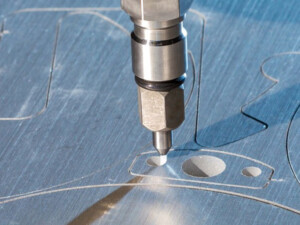
The cutting head is where the magic happens. It precisely mixes high-pressure water with abrasive (if used) and focuses it into a coherent, destructive stream. The quality of this assembly dictates cut precision and edge quality.
FAQ: Your Questions About Buying Small Waterjets
Q1: What materials can a small abrasive waterjet actually cut?
A1: A quality small abrasive waterjet can cut a huge range: metals like stainless steel, aluminum, and brass up to several inches thick; hardened tool steel; stone, granite, and marble; thick glass; ceramics, and advanced composites. The limit is usually material thickness, not type.
Q2: How much maintenance does a small waterjet require?
A2: Daily maintenance is light: checking abrasive levels, cleaning the tank. The high-pressure pump requires periodic seal and valve changes—often every 500-1000 hours of operation. Following the manufacturer’s preventive maintenance schedule is essential to avoid costly downtime.
Q3: What kind of cutting accuracy and edge quality can I expect?
A3: A good CNC-driven small waterjet can hold tolerances of +/- 0.005 inches or better. The edge will have a matte, textured finish typical of abrasive cutting. There is minimal bevel (taper) on thinner materials, especially with modern dynamic head control options. The edge is usually burr-free.
Q4: Is buying a used small water jet for sale a good idea?
A4: It can be, but caution is needed. The high-pressure pump is the key component. Check its service history and hours of operation. Inspect the condition of the cutting table and rails for wear. Ensure software and technical support are still available. A used machine from a reputable dealer with a warranty is safer than a private sale.
Q5: Can I upgrade a pure waterjet to an abrasive system later?
A5: Sometimes, but not always. It depends entirely on the original machine design. The pump must be rated for abrasive use, and the machine structure must handle the abrasive delivery system and tank. It’s often more complex and costly than buying an abrasive-ready system upfront. If you think you’ll need to cut metals, start with an abrasive model.