Small Water Jet Cutting Machines for Sale: What to Know Before You Buy
If you’re searching for small water jet cutting machines for sale, you’re likely at an exciting crossroads. Perhaps your workshop is growing, or you need to bring precision cutting in-house. Small-format waterjets are becoming a game-changer for job shops, makerspaces, R&D departments, and startups.
But navigating the market can be tricky. What defines “small”? What can you realistically expect from these compact powerhouses? This article breaks down everything—from how they work to finding the right model for your budget. We’ll also look at why established brands like VICHOR are worth your attention, even in the compact machine segment.
What is a “Small” Water Jet Cutter?
In the world of water jet cutting machines for sale, “small” typically refers to the cutting table size and overall footprint. These are not hobbyist DIY projects. They are fully-fledged, industrial-grade machines built for precision, just in a more compact form.
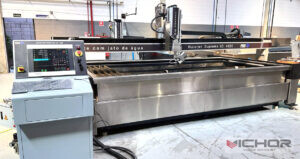
Think of table sizes ranging from 2’x2’ up to 4’x4’ or 4’x8’. They are designed to fit into standard workshops without requiring massive factory floors. The pump is often integrated or comes as a smaller, separate unit. The goal is to deliver the same cold-cutting technology that makes waterjets so valuable—zero heat-affected zones, no toxic fumes, and the ability to cut virtually any material—but in a package suited for smaller batch production and prototyping.
When you see small water jet cutting machines for sale, you’re looking at professional tools that prioritize flexibility and space efficiency.
How These Compact Machines Work
The core technology is identical to their larger siblings. A high-pressure pump (often an intensifier type) pressurizes water to between 40,000 and 90,000 PSI. This ultra-pressurized stream is forced through a tiny gem orifice, creating a supersonic jet.
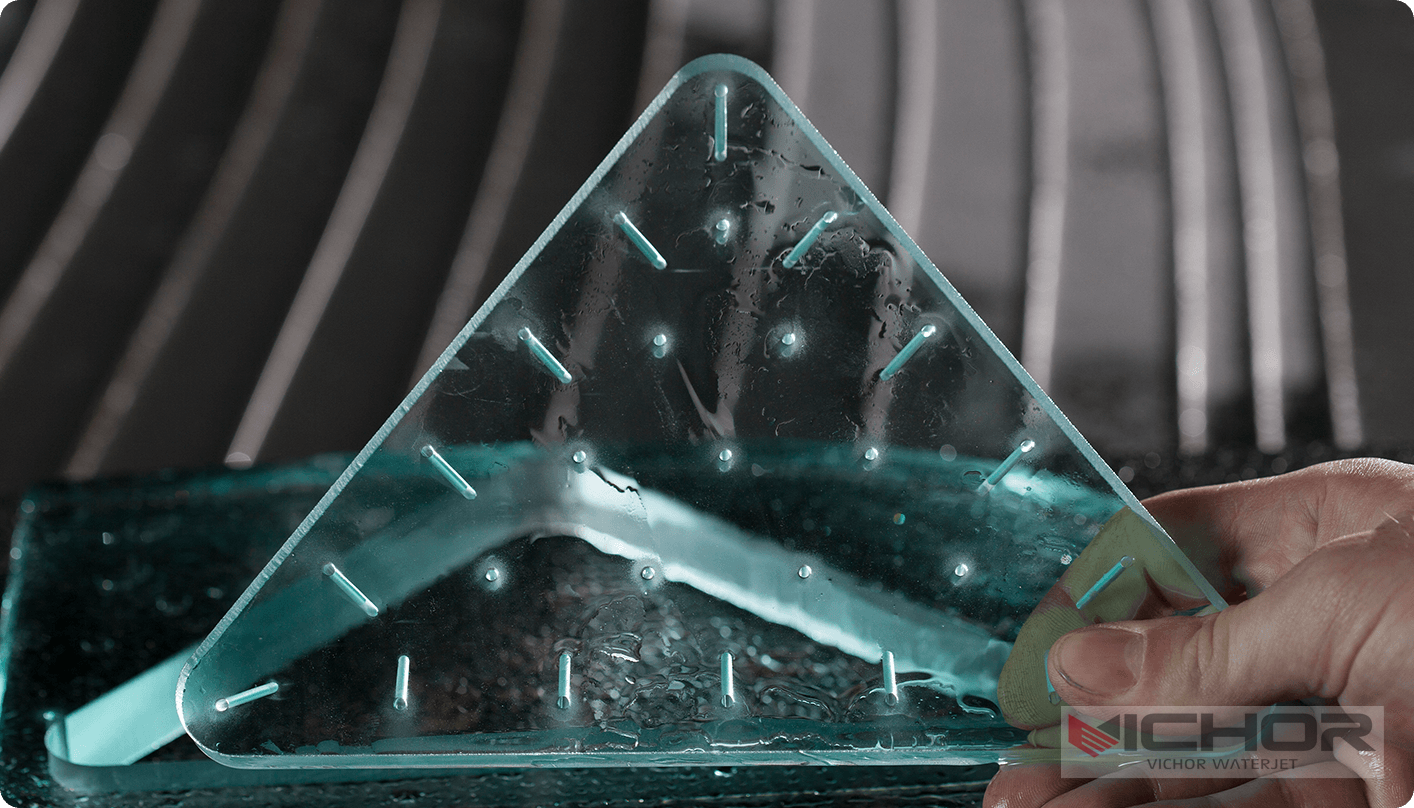
For cutting metals, stone, or composites, abrasive garnet is introduced into the stream in a mixing chamber. This creates an erosive, precise cutting tool. The cutting head moves over the material on a CNC-controlled gantry system.
The main difference with small tabletop water jet cutter models is the scale of the motion system and sometimes the pump horsepower. The principles of precision, versatility, and cold cutting remain fully intact.
Key Applications for Smaller Format Machines
Don’t let the size fool you. A small abrasive water jet machine has a vast range of uses. They are perfect for businesses that don’t need to cut full 4’x8’ sheets daily but require incredible flexibility.
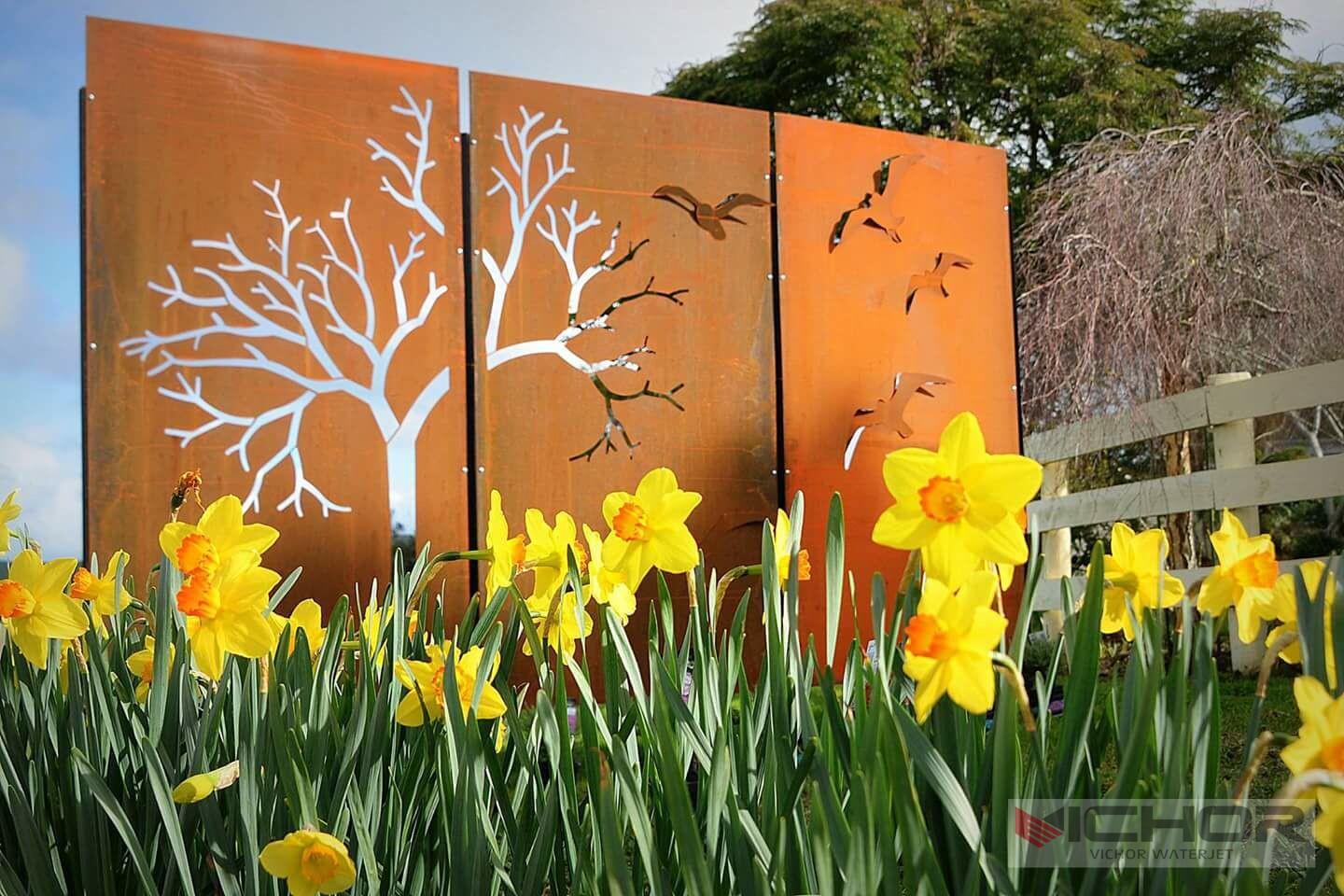
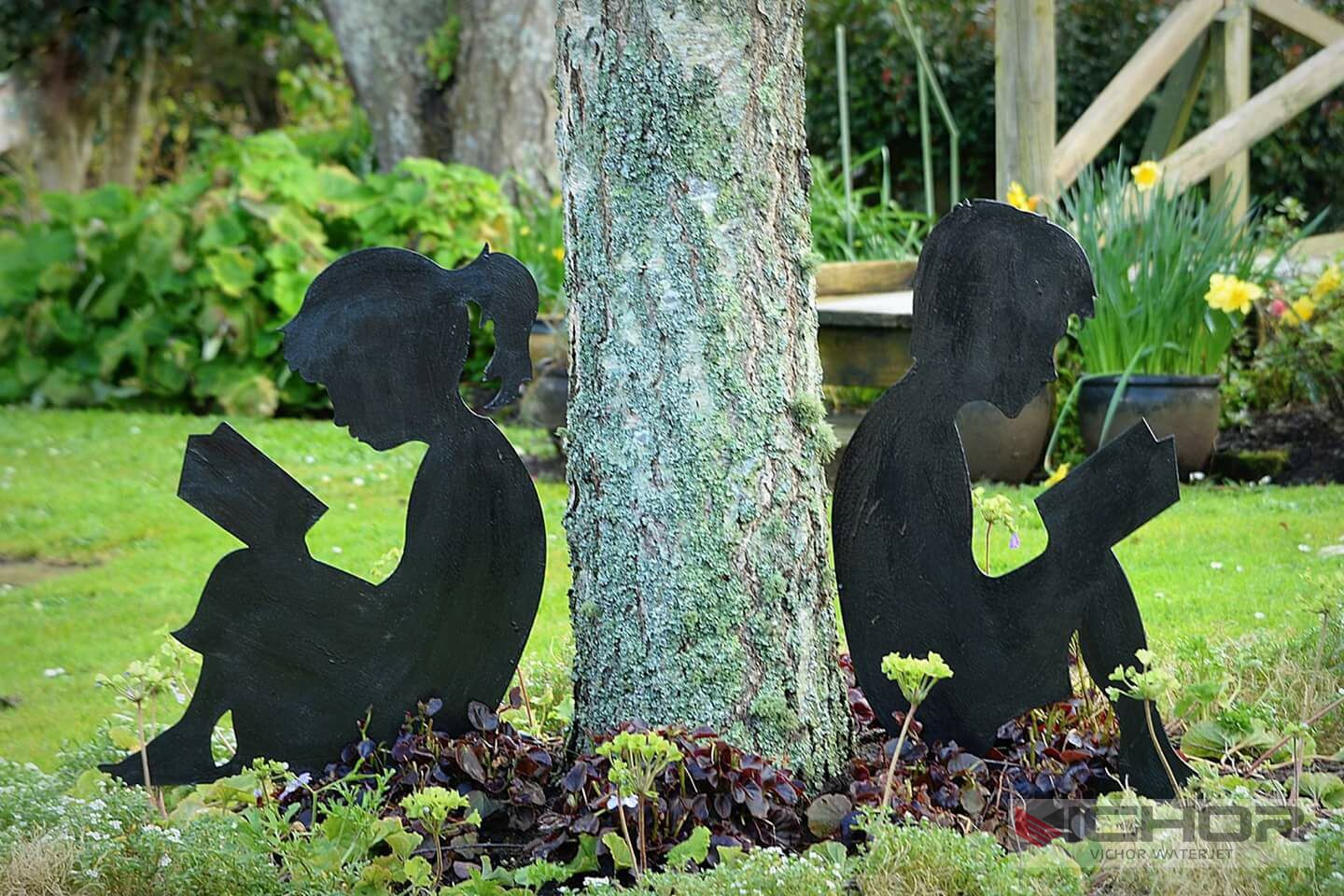
Common applications include prototyping new product designs, cutting precision gaskets from rubber, creating intricate metal parts for robotics or aerospace components, producing custom signage from stone or glass, and manufacturing specialty parts for the automotive aftermarket.
For universities and technical colleges, these machines are excellent training tools. For an artist’s studio, they unlock new creative possibilities in mixed media. The small water jet cutter is the ultimate “what if” machine for a nimble operation.
What to Look For: Key Features and Specifications
When comparing different small water jet cutting machines for sale, look beyond just the price tag and table dimensions.
Pump Pressure and Reliability: This is the heart. A 40,000 PSI pump will cut slower than a 60,000 PSI pump. Research the pump manufacturer’s reputation. Is it designed for continuous duty? Brands like VICHOR often use their own proven, reliable pump technology even in smaller models.
Control System and Software: The user interface should be intuitive. Can it import standard file formats (DXF, DWG) easily? Good software includes features for efficient nesting of parts to minimize waste, which is crucial on a smaller table.
Mechanical Construction: The gantry and drive system must be rigid. Look for industrial-grade linear guides and ball screws, not simple rods and bearings. This ensures accuracy and repeatability over time.
Service and Support: This is critical. Who will install it? Who provides training? How quickly can you get spare parts like seals or orifices? A brand with a global service network, such as VICHOR, provides immense long-term value and minimizes costly downtime.
Understanding the Price Range
So, what is the price for small water jet cutting machines for sale? It’s a wide spectrum, heavily dependent on capability and brand.
Entry-level compact systems can start around $60,000 to $80,000 USD. These often have basic software and lower-pressure pumps. Mid-range models, offering better speed, precision, and software, typically range from $100,000 to $150,000.
When you look at premium compact machines from top-tier manufacturers like VICHOR, you are investing in industrial durability, advanced controls, and comprehensive support. This can push the investment higher, but it protects your business from performance issues later.
Remember the Total Cost of Ownership (TCO). Factor in abrasive garnet, replacement parts, maintenance contracts, and potential machine downtime. A slightly more expensive, reliable machine often has a lower TCO than a bargain model that frequently breaks down.
Brand Matters: The VICHOR Advantage in Compact Machines
Why consider an international brand like VICHOR for a small format waterjet cutter? The answer is in the engineering and support.
VICHOR doesn’t just shrink a large machine; they engineer compact models with the same attention to precision and durability. This means you get a system built to industrial standards, capable of running a full shift without issues.
Their global experience translates into sophisticated software that maximizes the productivity of your smaller table. Perhaps most importantly, their worldwide service network means you have access to expert technicians, genuine parts, and operational training. This support turns a machine purchase into a true production solution, giving you confidence as your business grows.
Making the Right Choice for Your Shop
Before you click “buy” on any listing for small water jet cutting machines for sale, do this homework. First, clearly define 90% of the work you’ll do. What materials and thicknesses? This determines the necessary pump pressure.
Measure your available floor space, including room for the pump, operator, and material handling. Request a live or recorded cutting demo with your specific material. Talk to other owners of that brand and model.
Finally, get a detailed quote that includes installation, training, and a suggested spare parts kit. Don’t just shop for a machine—shop for a partner who will ensure it succeeds in your workshop.
Frequently Asked Questions (FAQ)
Q1: What are the main space requirements for a small waterjet?
A1: You need space for the machine table itself, plus about 3-4 feet of clearance on all sides for operation and maintenance. Additionally, you’ll need a location for the high-pressure pump (often a separate cabinet) and storage for abrasive garnet and materials. Proper flooring drainage or a slurry removal system is also a key consideration.
Q2: Can a small waterjet cut thick material?
A2: Yes, but speed is the limiting factor. A compact machine with a 60,000 PSI pump can cut 4-inch thick stainless steel, but it will be very slow. Its ideal use is for high-precision cutting of materials under 2 inches thick. Always check the machine’s cutting speed charts for your specific material and thickness.
Q3: How noisy are these machines?
A3: Waterjets are loud. The pump and the cutting stream itself generate significant noise, often exceeding 85 decibels. Hearing protection is mandatory. Some pumps come with acoustic enclosures, and placing the pump in a separate room or enclosure is a highly recommended practice for smaller shops.
Q4: Is it difficult to find operators for a small waterjet?
A4: Modern CNC-controlled waterjets are relatively straightforward to program and operate for someone with basic CAD/CAM and mechanical aptitude. The real value comes from brands like VICHOR that provide comprehensive onsite training to get your team productive quickly. The learning curve is manageable.
Q5: Why shouldn’t I just buy a used large waterjet to save money?
A5: A used large machine often comes with hidden costs: expensive refurbishment, higher installation complexity (requiring heavy rigging and special power), significant space consumption, and potentially no factory support. For a focused workshop, a new, supported small water jet cutting machine offers predictable performance, modern software, and a warranty, often making it a smarter long-term investment.