Precision Waterjet Signs: Durable Custom Signage for Modern Branding
waterjet signs are crafted using ultra‑high‑pressure water mixed with abrasive garnet. This cold‑cutting process slices through metal, stone, glass, and composites without heat distortion. The result is crisp edges and complex shapes that traditional methods cannot achieve. Businesses worldwide now rely on waterjet signs for storefronts, lobby displays, and outdoor wayfinding.
What Are waterjet signs?
waterjet signs are fabricated by computer‑controlled waterjet cutting machines. A stream of water pressurized to 60,000 psi or more exits a tiny nozzle. When cutting hard materials like steel or granite, garnet abrasive is added. Because no heat is generated, the material’s structure remains unchanged. This makes waterjet signs ideal for applications where strength and finish matter.
The process starts with a digital design file. The waterjet follows the vector path precisely, creating smooth curves and sharp corners. Intricate details, such as small lettering or corporate logos, are reproduced exactly. No secondary finishing is required in most cases.
Key Advantages of Waterjet Cutting for Signs
Material Versatility
One waterjet machine can cut almost any material. For waterjet signs, this means you can combine metals, natural stone, ceramics, and glass in one design. The flexibility allows designers to choose the perfect texture and color for each project.
Precision and Detail
Waterjet cutting holds tolerances as tight as ±0.003 inches. This accuracy ensures that lettering and intricate patterns in waterjet signs are sharp and consistent. Even small logos with fine lines are reproduced without burrs or rough edges.
Durability and Longevity
Because the process does not induce heat stress, the material retains its original strength. waterjet signs withstand weather, UV exposure, and physical impact better than laser‑cut or routed signs. They are suitable for both indoor and outdoor use.
Common Materials Used in Waterjet Signs
The choice of material affects the look, feel, and cost of the final sign. Below are popular options for waterjet signs:
- Stainless steel: Offers a modern, sleek appearance. Can be brushed, polished, or painted after cutting.
- Aluminum: Lightweight and corrosion‑resistant. Ideal for large signs that need easy installation.
- Granite and marble: Provide a high‑end, timeless look. Often used for memorial plaques or corporate lobbies.
- Glass: Allows backlighting and creates elegant, transparent signage.
- Brass and copper: Develop a patina over time, adding character to entrance signs.
- Acrylic and plastics: Cost‑effective and available in many colors. Suitable for temporary or indoor displays.
Industries That Benefit from Waterjet Signs
Many sectors use waterjet signs because of their adaptability and strength. Here are a few examples:
- Corporate offices: Lobby logos, directional plaques, and wall art.
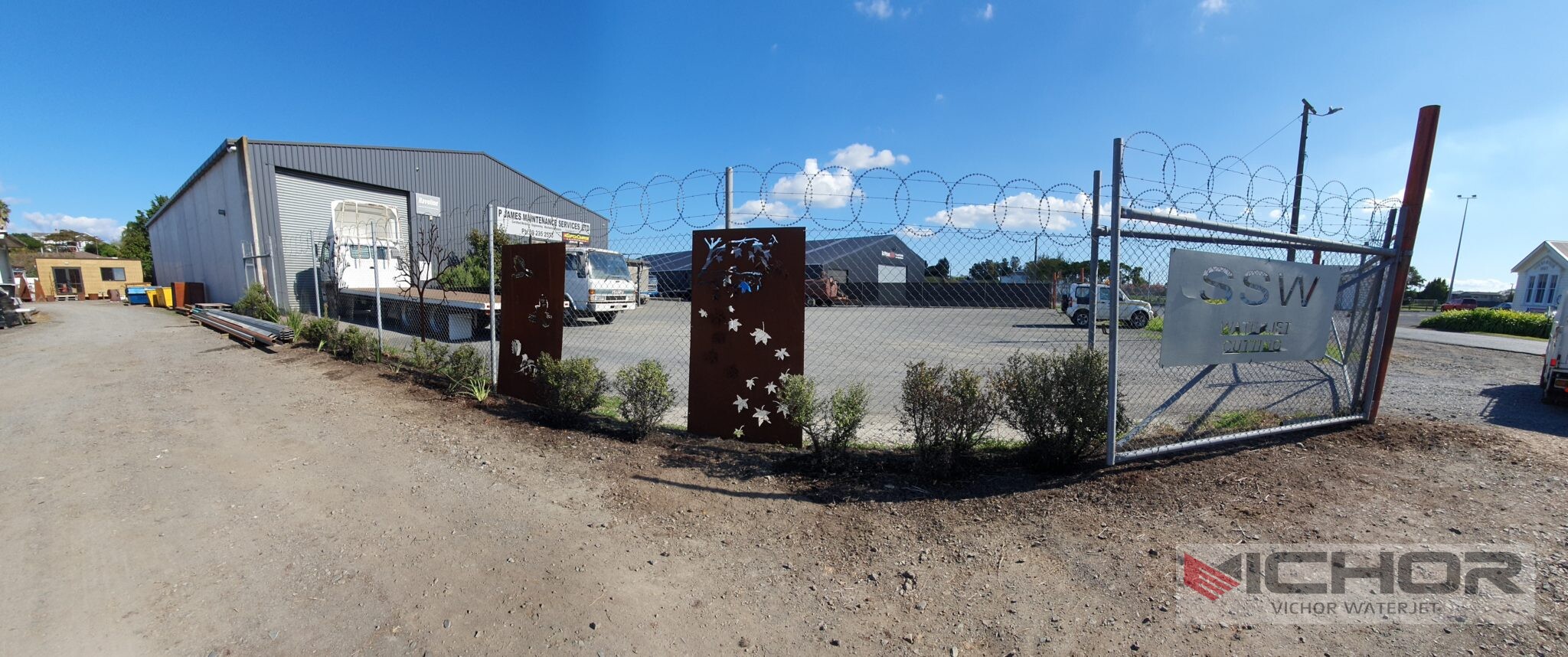
- Retail and hospitality: Storefront signs, menu boards, and decorative panels.
- Industrial facilities: Safety signs, equipment labels, and pipe markers that must resist harsh environments.
- Municipalities: Park signage, historical markers, and monuments.
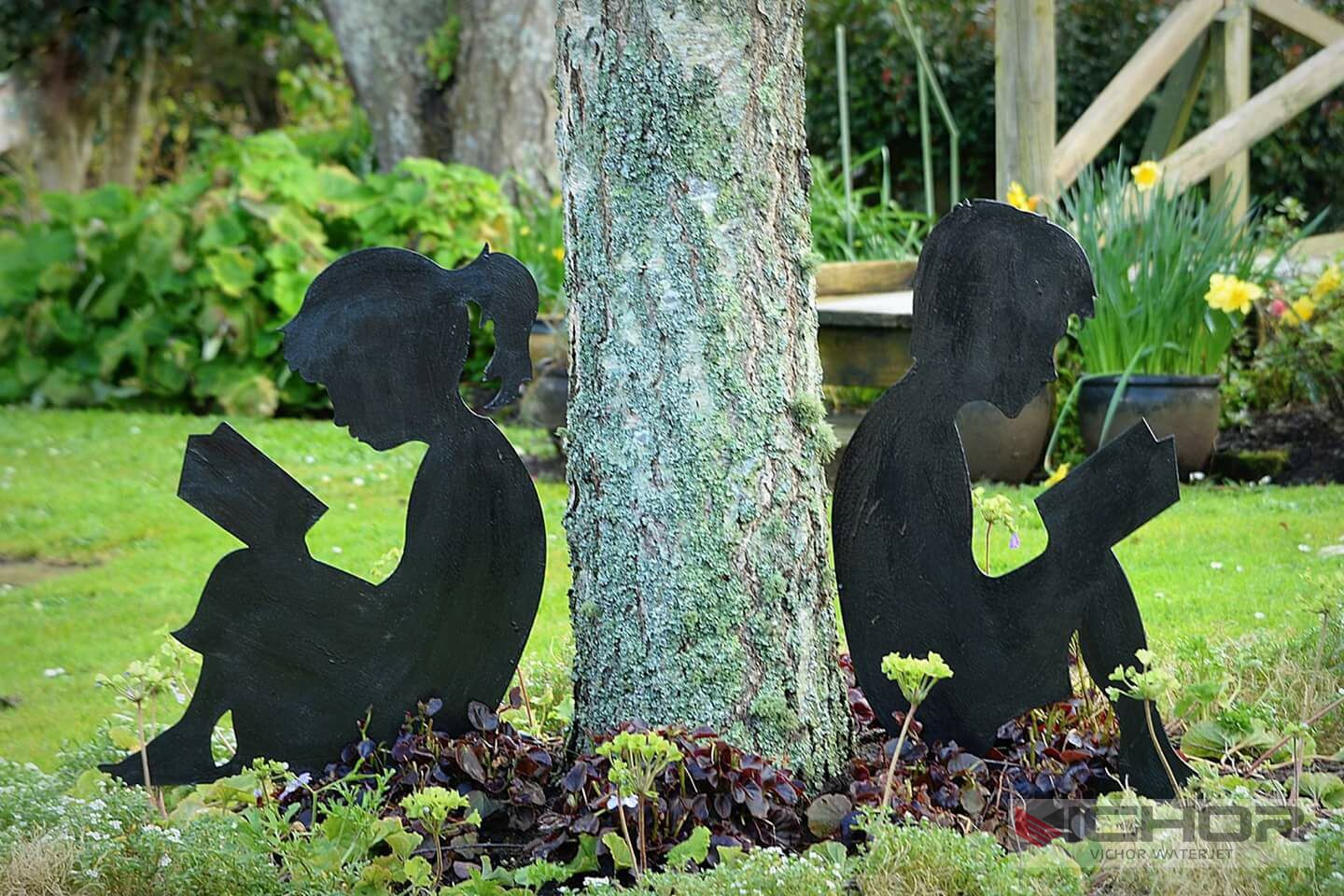
- Art and design: Sculptural pieces and custom installations.
Waterjet Signs vs. Traditional Sign Making Methods
Traditional methods like routing, laser cutting, or plasma cutting have limitations. Routers struggle with hard materials; lasers can burn edges; plasma creates heat‑affected zones. waterjet signs avoid these issues entirely.
With waterjet, there is no thermal distortion. Edges are clean and often require no sanding or deburring. Additionally, waterjet can cut stacked layers of material, producing multiple identical waterjet signs in one pass. This efficiency reduces production time for large orders.
Design Possibilities with Waterjet‑Cut Signs
Designers enjoy freedom when creating waterjet signs. The process supports:
- Intricate cut‑outs and negative space designs.
- Layered assemblies (e.g., metal over stone) for 3D effects.
- Inlaid graphics where different materials fit together like puzzle pieces.
- Textures by adjusting cutting speed or using the waterjet to etch surfaces.
Because waterjet does not rely on heat, designers can mix materials with different melting points in a single sign. This opens up creative combinations like stainless steel letters set into a granite base.
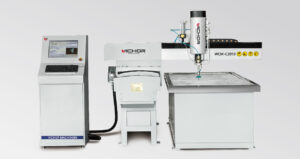
Why Choose VICHOR for Waterjet Sign Production
VICHOR manufactures advanced waterjet cutting machines used by sign makers worldwide. Their equipment delivers the precision and reliability needed for high‑quality waterjet signs. With intuitive controls and robust construction, VICHOR machines handle heavy production schedules while maintaining tight tolerances.
Many sign shops choose VICHOR because of the company’s focus on innovation. Features like dynamic waterjet heads and abrasive delivery systems ensure consistent cut quality. Whether you produce one‑off art pieces or bulk signage, VICHOR provides the technology to make your waterjet signs stand out.
The Future of Signage with Waterjet Technology
As businesses seek distinctive branding, waterjet signs offer unmatched durability and design flexibility. The ability to cut virtually any material precisely makes waterjet a go‑to method for custom signage. With partners like VICHOR, access to high‑performance cutting machines ensures that your sign projects meet the highest standards.
Frequently Asked Questions about Waterjet Signs
Q1: What materials cannot be cut for waterjet signs?
A1: Waterjet can cut almost any material, including metals, stone, glass, ceramics, and composites. It struggles only with extremely brittle materials like some tempered glass, but special techniques can handle even those. Most common sign materials are easily processed.
Q2: How thick can a waterjet sign be?
A2: Industrial waterjet machines cut materials up to 6 inches thick, though typical signs range from 1/16 inch to 1 inch. Thicker signs are possible but require longer cutting times. For most signage applications, standard thicknesses are sufficient.
Q3: Are waterjet signs expensive compared to laser‑cut signs?
A3: Initial cost per piece may be higher for small runs, but waterjet offers savings on materials that are difficult for lasers (like reflective metals). For durable materials and complex shapes, waterjet signs often provide better long‑term value because they last longer and need less maintenance.
Q4: Can waterjet signs include colored designs?
A4: Yes. After cutting, waterjet signs can be painted, anodized, or powder coated. Additionally, you can inlay colored materials (like acrylic into metal) during the cutting process to create multicolored effects without paint.
Q5: How long does it take to produce a custom waterjet sign?
A5: Production time depends on size and complexity. A simple 12‑inch stainless steel sign might cut in 10 minutes. Larger, detailed designs could take several hours. Most shops complete typical orders within 2‑5 business days, excluding shipping.
Q6: Do waterjet signs require special maintenance?
A6: Maintenance is similar to any outdoor sign. Stainless steel and aluminum may need occasional cleaning to remove dirt. Stone and glass signs are very low maintenance. Because waterjet cutting does not create micro‑cracks, the signs resist weathering and staining better than those cut with heat‑based methods.