
Portable Water Jet Tile Cutter: Precision for On‑Site Tiling
Installing ceramic, porcelain, or natural stone tiles often requires intricate cuts on location. A portable water jet tile cutter brings the accuracy of industrial water jet technology directly to the job site. It eliminates dust, produces no heat‑affected edges, and handles even the hardest materials. In this article, we examine how a portable water jet tile cutter can streamline your tiling projects, reduce waste, and deliver clean, professional results every time.
Why Choose a Portable Water Jet Tile Cutter Over Traditional Tools?
Standard tile cutters and grinders create dust, noise, and often chip the tile surface. A portable water jet tile cutter uses a high‑pressure stream of water (sometimes mixed with fine abrasive) to erode the material smoothly. Because the cut is cold, there are no micro‑cracks or thermal stresses. This makes it ideal for delicate tiles like marble or large‑format porcelain.
Cleaner and Healthier Work Environment
Wet cutting suppresses dust completely, protecting the operator and nearby occupants. Unlike dry cutting with a grinder, there is no silica dust hazard. The water also lubricates the cut, extending the life of the mixing tube and nozzle.
Complex Cuts Made Simple
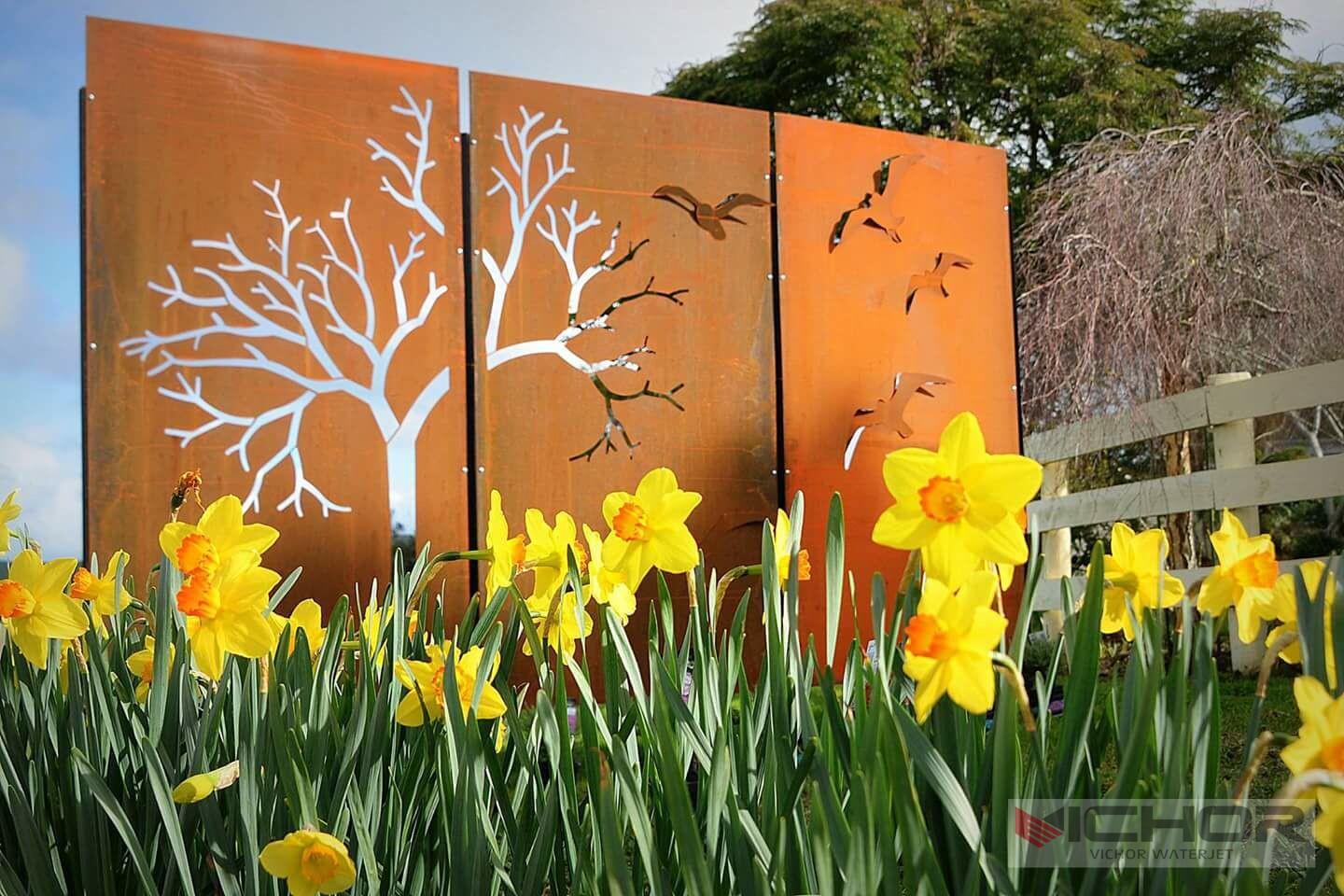
Curved cuts, holes for outlets, or intricate mosaic pieces are straightforward with a portable water jet tile cutter. The CNC‑controlled nozzle follows any digital pattern, so you can replicate designs accurately. This capability is especially valuable for custom shower floors or decorative wall panels.
Key Features to Look for in a Portable Water Jet Tile Cutter
Not all portable units are the same. When selecting a portable water jet tile cutter, consider these essential components:
- Pump pressure – At least 30,000‑40,000 psi for efficient tile cutting.
- Abrasive delivery – Some models use only pure water for soft tiles; for granite or thick porcelain, an abrasive system is necessary.
- Portability – Weight, wheeled carts, and quick‑connect hoses affect how easily you can move the machine.
- Control interface – Touchscreen with CAD/CAM software simplifies pattern import.
- Water recycling – Integrated filtration reduces water consumption on site.
Size and Cutting Envelope
Compact units often have a cutting area of 2×3 feet, sufficient for most tiles. Larger portable models can handle slabs up to 5×10 feet. Match the table size to your typical project requirements.
Noise and Power Requirements
Modern portable water jet tile cutters operate at around 70‑80 dB—quieter than angle grinders. They typically run on standard 220V single‑phase power, making them suitable for residential job sites.
Applications of a Portable Water Jet Tile Cutter in Construction
From bathroom remodels to commercial kitchens, a portable water jet tile cutter proves its worth wherever precise tile work is needed.
Floor and Wall Tile Installation
Straight cuts are fast, but L‑shaped cuts around door frames or pipes are equally easy. The machine’s software nests multiple pieces efficiently, minimising waste. Installers report up to 30% less tile waste compared to manual cutting.
Custom Mosaics and Inlays
Artistic floor patterns or company logos can be cut from coloured tile and assembled on site. A portable water jet tile cutter allows you to produce these features without sending drawings to a remote shop, saving time and transport costs.
Restoration Work
Matching existing tiles in historic buildings often requires custom shapes. A portable unit can cut replicas on the spot, ensuring colour and texture consistency.
Comparing Portable vs. Stationary Water Jet Tile Cutters
Stationary machines offer larger tables and higher pressure, but they are fixed in a workshop. A portable water jet tile cutter trades some cutting speed for mobility. For most tile contractors, the ability to cut next to the installation area outweighs the slight reduction in speed.
- Portable – Lower initial cost, easy to transport, ideal for on‑site modifications.
- Stationary – Higher throughput, better for mass production of tile parts off‑site.
Maintenance Tips for Your Portable Water Jet Tile Cutter
Regular upkeep ensures consistent cuts and long machine life. Follow these guidelines:
- Flush the system with clean water after each use to prevent abrasive buildup.
- Inspect seals and orifices weekly; replace worn parts immediately.
- Check the water filtration system—clogged filters reduce pressure.
- Lubricate moving parts as recommended by the manufacturer.
- Store the machine in a dry, frost‑free environment when not in use.
Why VICHOR Offers Reliable Portable Water Jet Tile Cutters
VICHOR has engineered a line of portable water jet tile cutters that combine rugged construction with user‑friendly controls. Our models feature energy‑efficient pumps, intuitive touchscreens, and quick‑connect abrasive hoppers. Whether you need a basic unit for soft tile or a full‑abrasive system for engineered stone, VICHOR provides the support and training to get you cutting immediately. Many contractors have increased their daily output by 40% after switching to our portable solutions.
In summary, a portable water jet tile cutter is an investment in precision, speed, and cleaner job sites. By bringing the cutting to the tile, you eliminate transport damage and rework. Evaluate your typical projects, compare the features above, and consider VICHOR’s range to find the perfect match for your tiling business.
Frequently Asked Questions (FAQ)
Q1: What types of tile can a portable water jet tile cutter handle?
A1: A portable water jet tile cutter can cut virtually any tile material—ceramic, porcelain, glass, marble, granite, and even cement boards. The machine adjusts pressure and abrasive flow to suit the material’s hardness.
Q2: How thick can a portable water jet tile cutter cut?
A2: Most portable units cut tile up to 1.5 inches (38 mm) thick. For thicker stone slabs, a higher‑pressure model may be required. Always check the machine specifications against your material thickness.
Q3: Does a portable water jet tile cutter require special electrical supply?
A3: Many portable models operate on standard 220V single‑phase outlets, making them job‑site friendly. Larger units may need 3‑phase power, so verify the requirements before renting or purchasing.
Q4: Is the water jet tile cutter safe to use indoors?
A4: Yes. Since the process uses water, there is no dust or sparks. It is safe for indoor use, provided there is adequate drainage and ventilation. The noise level is similar to a household vacuum cleaner.
Q5: How much water does a portable water jet tile cutter consume?
A5: Typical consumption ranges from 0.5 to 1.5 gallons per minute. Many machines include a water recycling system that captures and filters the used water, reducing overall consumption by up to 80%.
Q6: Can I cut curves or circles with a portable water jet tile cutter?
A6: Absolutely. The CNC control allows any shape that can be drawn in CAD software. Circles, scalloped edges, and complex inlays are standard capabilities of a portable water jet tile cutter.
*Specifications may vary by model. Contact VICHOR for detailed technical data on our portable water jet tile cutters.