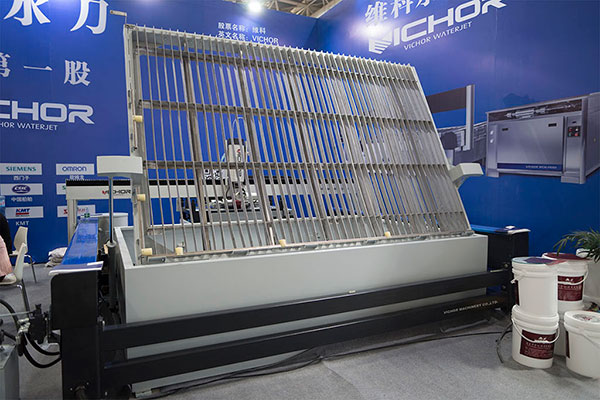

Mobile Water Jet Cutter: Portable Precision for On‑Location Metal, Concrete & Composite Cutting
When cutting operations must be performed in remote locations or inside existing facilities, a mobile water jet cutter becomes the tool of choice. Unlike fixed installations, these self‑contained units bring ultra‑high pressure water and abrasive directly to the workpiece. From offshore platforms to nuclear decommissioning, the mobile water jet cutter enables precise, cold cutting without the need to transport heavy components to a workshop.
What Is a Mobile Water Jet Cutter?
A mobile water jet cutter is a compact, transportable system that generates high‑pressure water (up to 90,000 psi) and, when needed, mixes it with abrasive garnet. The cutting head is often hand‑held or mounted on a small track, allowing operators to cut metal, concrete, stone, and composites on site.
- All components – pump, control unit, abrasive hopper – are mounted on a trailer or skid.
- Long flexible hoses connect the power unit to the cutting head, providing reach up to 100 m or more.
- Diesel or electric motors power the pump, making the unit independent of fixed utilities.
Why Choose a Mobile Water Jet Cutter Over Fixed Systems?
Many industries face challenges that cannot be solved by bringing materials to a factory. The mobile water jet cutter eliminates logistics bottlenecks and enables cutting in confined or hazardous areas.
On‑Site Flexibility
With a mobile unit, cuts are performed exactly where the component sits. Pipelines, storage tanks, and structural steel are modified without dismantling. This reduces downtime and crane costs.
Cold Cutting Safety
Because no heat or sparks are generated, a mobile water jet cutter is safe for use in explosive environments such as oil refineries, chemical plants, and gas facilities. It also eliminates the risk of igniting nearby combustibles.
Minimal Disruption
Cutting underwater or in live production areas is possible with proper containment. The process produces no toxic fumes or dust, making it suitable for hospitals, food plants, and cleanrooms.
Key Applications of Mobile Water Jet Cutters
The versatility of a mobile water jet cutter makes it indispensable across multiple sectors. Below are the most common uses.
Offshore & Marine Repair
Divers use hand‑held mobile water jet cutter tools to remove marine growth, cut through ship hulls, or dismantle underwater structures. The cold process avoids damaging adjacent coatings and prevents hydrogen embrittlement.
Pipeline Maintenance
Pipelines carrying oil, gas, or chemicals are cut for repair or abandonment. The mobile cutter can be brought to remote locations and operated safely even when the line contains residual flammable product.
Nuclear Decommissioning
In radioactive environments, remote‑controlled mobile water jet cutter systems reduce worker exposure. They cut through contaminated metal and concrete without generating airborne particles, simplifying waste handling.
Construction & Demolition
Concrete walls, reinforced with rebar, are cut precisely for door openings or selective demolition. The narrow kerf and lack of vibration protect adjacent structures.
Emergency Response
After natural disasters or accidents, rescue teams use mobile waterjet cutters to penetrate twisted metal or collapsed concrete while avoiding sparks that could ignite leaked fuel.
Components of a Modern Mobile Water Jet Cutter
Understanding the parts of a mobile water jet cutter helps in selecting the right unit for your tasks.
- High‑Pressure Pump: Intensifier or direct‑drive design, capable of 30,000–90,000 psi.
- Abrasive Delivery System: A pressurized vessel that feeds garnet into the water stream.
- Control Panel: Digital displays for pressure, flow, and diagnostic alerts.
- Hose Reels & Handling: Up to 100 m of hose, often with swivels to prevent kinking.
- Cutting Heads: Hand‑lances, automated track drives, or robotic arms depending on the job.
VICHOR offers a range of mobile configurations, from compact skids for confined spaces to trailer‑mounted units with integrated abrasive recovery.
Selecting the Right Mobile Water Jet Cutter
Not all mobile cutters are the same. Consider these factors when evaluating a mobile water jet cutter.
Cutting Capacity
Determine the thickest material you will cut. Thicker sections require higher pressure and larger pumps. Abrasive flow rate also affects cutting speed.
Power Source
- Electric motors: Quieter, zero emissions – ideal for indoor use.
- Diesel engines: Self‑contained, suitable for remote sites with no grid power.
Portability & Footprint
Check dimensions and weight. Some units fit through standard doorways; others need a forklift for positioning. Trailer‑mounted units offer highway mobility.
Automation & Control
For repetitive cuts, look for CNC‑controlled axes that can be programmed on site. Remote operation via tablet is increasingly common in hazardous environments.
Cost Efficiency of Mobile Water Jet Cutting
While a mobile water jet cutter requires an upfront investment, it often pays for itself through avoided logistics and reduced downtime.
- No need to ship large components to a workshop.
- Minimal setup time compared to thermal cutting with gas cylinders.
- One machine cuts virtually any material, eliminating the need for multiple tools.
Maintenance costs are predictable; wear parts like nozzles and mixing tubes are easily replaced on site.
Safety Considerations When Using a Mobile Water Jet Cutter
Operating high‑pressure water involves risks. Proper training and equipment are essential.
- Always wear certified PPE: face shield, waterproof clothing, gloves, steel‑toe boots.
- Inspect hoses and fittings daily for signs of wear.
- Ensure the work area is barricaded to prevent bystander injury.
- Follow manufacturer guidelines for abrasive handling – garnet dust can be hazardous if inhaled.
Reputable suppliers like VICHOR provide detailed safety manuals and operator training.
Future Trends in Mobile Water Jet Cutting
Technology continues to advance, making mobile units more capable and easier to use.
- Battery‑electric pumps: Emerging for ultra‑quiet, emission‑free indoor use.
- Telematics: Remote monitoring of pump performance and predictive maintenance alerts.
- Robotic integration: Small, tracked robots carrying cutting heads for autonomous operation in dangerous zones.
The mobile water jet cutter will remain a critical tool for industries that demand precision, safety, and flexibility far from the factory floor.
Whether you are repairing an offshore platform, modifying a chemical pipeline, or performing delicate demolition inside a hospital, a mobile water jet cutter offers a proven solution. Its cold cutting nature, material versatility, and portability make it superior to thermal methods in countless situations. By choosing a reliable manufacturer like VICHOR, you ensure that your mobile cutter delivers years of safe, efficient service.
Frequently Asked Questions
Q1: How thick can a mobile water jet cutter cut?
A1: With appropriate pressure and abrasive, a mobile water jet cutter can cut steel up to 150 mm (6 inches) thick. Thinner materials like sheet metal are cut much faster. The exact capacity depends on the pump power and abrasive flow rate.
Q2: Is a mobile water jet cutter safe for use in explosive atmospheres?
A2: Yes. Because it generates no sparks or heat, it is intrinsically safe in environments with flammable gases, vapours, or dust. Many units are certified for use in Zone 1 and Zone 2 hazardous areas.
Q3: What materials can a mobile water jet cutter process?
A3: It cuts virtually any solid material: metals (steel, aluminium, titanium, Inconel), concrete, stone, ceramics, glass, composites, rubber, and plastics. The same machine handles all by adjusting pressure and abrasive feed.
Q4: How long does it take to set up a mobile water jet cutter on site?
A4: Setup typically takes 30–60 minutes, depending on site conditions. This includes positioning the unit, connecting hoses, filling abrasive, and performing safety checks. Experienced crews can be cutting within an hour of arrival.
Q5: What kind of maintenance does a mobile water jet cutter require?
A5: Daily checks include nozzle wear, hose integrity, and water filter cleaning. Weekly or monthly tasks involve pump seal inspection and abrasive metering valve calibration. Suppliers like VICHOR offer service contracts to handle routine maintenance.
Q6: Can a mobile water jet cutter be operated remotely?
A6: Yes. Many modern units feature remote control via pendant or tablet. Fully automated robotic cutters are also available for high‑precision work in dangerous or hard‑to‑reach locations.