
Mesin Waterjet: What You Need to Know Before Buying One for Your Workshop
If you’re in manufacturing, fabrication, or even a creative industry in Indonesia, you’ve probably heard about the mesin waterjet. This powerful tool has changed how we cut materials, from thick steel to delicate marble. But with so many options and technical terms, choosing the right one can feel overwhelming.
This article cuts through the confusion. We’ll explain how a mesin waterjet works, what it can do, the different types available, and key factors like price and support. We’ll also look at why international brands like VICHOR are often the preferred choice for serious businesses. Let’s dive in.
What is a Mesin Waterjet? The Basic Principle
A mesin waterjet is a cutting machine that uses a very high-pressure stream of water to slice through material. Think of it as an incredibly powerful, ultra-precise water gun. For cutting hard materials like metal or stone, an abrasive substance, usually garnet sand, is mixed into the water stream.
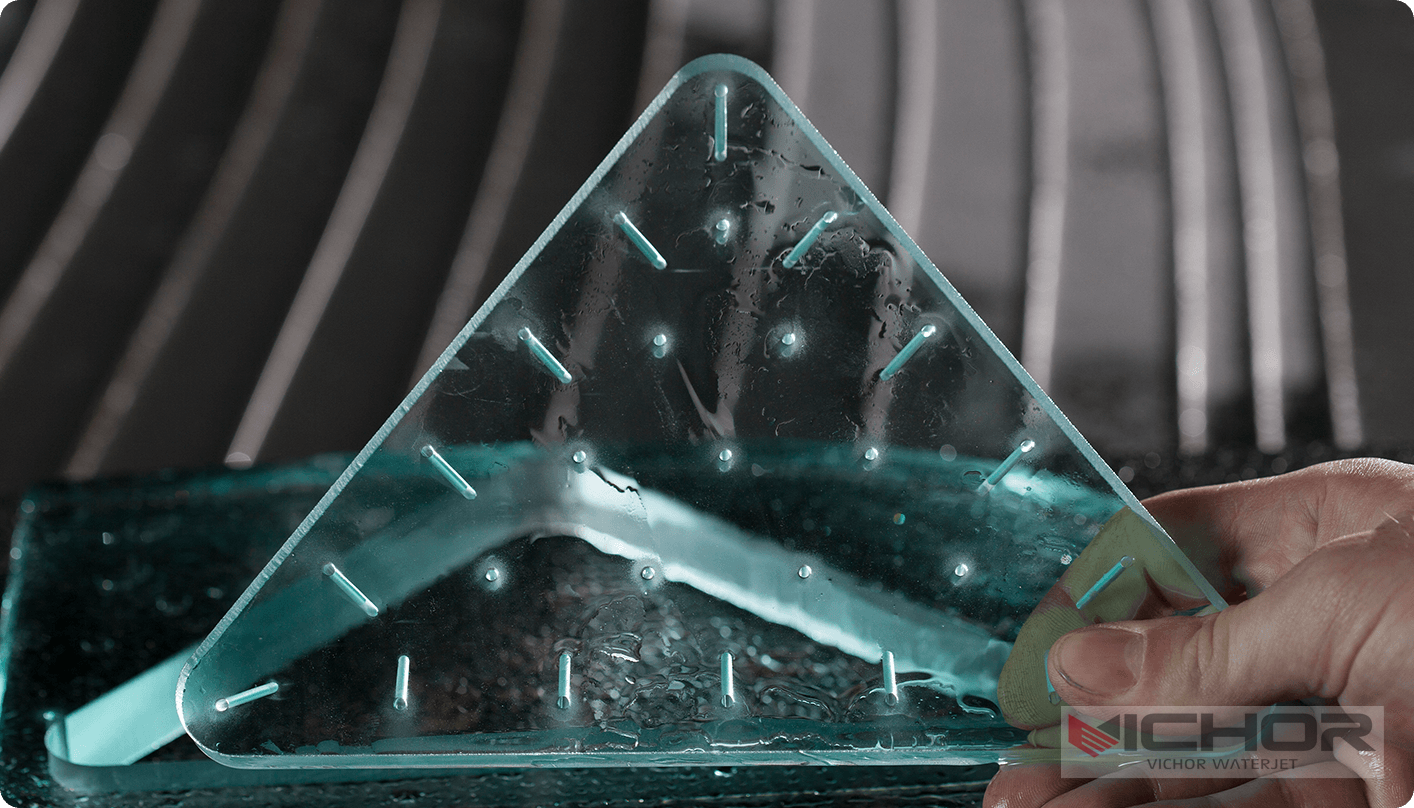
This combination creates a cutting tool that generates almost no heat. That’s a huge advantage. Unlike plasma or laser cutters, a waterjet cutting machine doesn’t warp, melt, or create a heat-affected zone on the material. This results in clean, ready-to-use edges.
The core of any mesin waterjet is its high-pressure pump. This pump is the heart of the system, pushing water to pressures exceeding 60,000 PSI.
How Does a Mesin Waterjet Actually Work?
The process is fascinatingly simple in concept but complex in engineering. First, ordinary tap water is filtered and pressurized by an intensifier pump. This pump uses hydraulic oil to drive a piston, forcing water through a tiny diamond or sapphire orifice.
This creates a supersonic stream of pure water. If you’re cutting soft materials like rubber, foam, or food products, this pure water jet is all you need.
For metals, stone, glass, and ceramics, the stream then enters a mixing tube. Here, abrasive garnet is pulled into the stream via a vacuum effect. The abrasive particles are accelerated, transforming the water into a micro-sandblaster that erodes the material with incredible precision.
The cutting head is mounted on a CNC-controlled gantry, allowing it to follow complex digital designs with accuracy.
Types of Mesin Waterjet: Pure vs. Abrasive
Not all mesin waterjet systems are the same. Understanding the two main types is crucial for your purchase decision.
Pure Waterjet Machines: These systems use only high-pressure water. They are perfect for cutting soft materials. Think about the automotive industry cutting carpets and headliners, or the food industry cutting cakes or frozen fish. They are quieter, have lower operating costs, and create less mess.
Abrasive Waterjet Machines: This is the most common type in industrial workshops. By adding garnet abrasive, the machine can cut virtually any material. From 200mm thick titanium to fragile glass and everything in between, an abrasive mesin waterjet is the ultimate versatile cutter. When people generally refer to a mesin waterjet, they are most often talking about this abrasive type.
Key Applications and Materials You Can Cut
The versatility of a mesin waterjet cutter is its biggest selling point. It’s a one-stop solution for multi-material workshops.
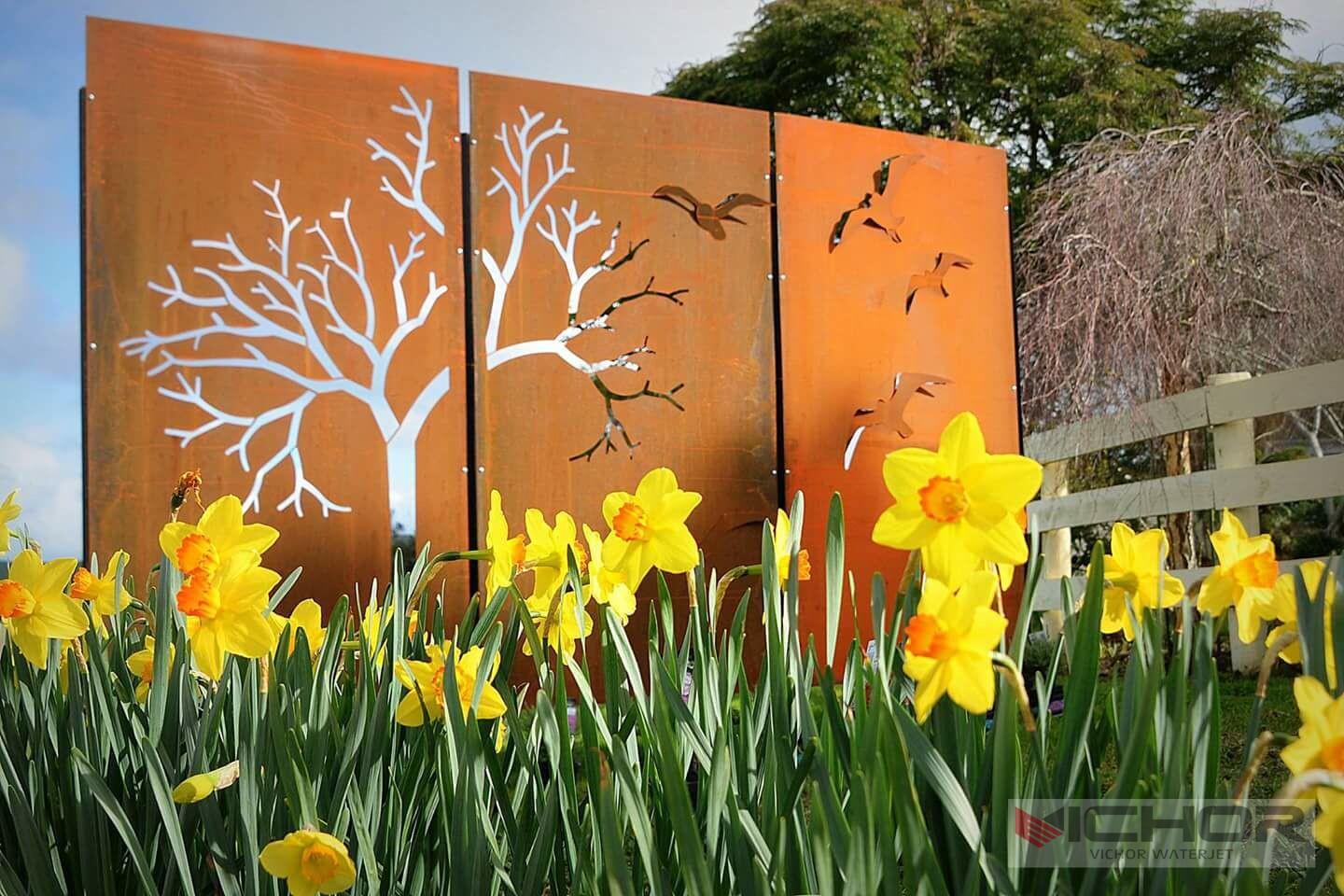
In metal fabrication, it cuts stainless steel, aluminum, brass, and tool steel without altering the metal’s properties. In the stone and tile industry, it creates intricate countertops, mosaics, and signage.
The aerospace and automotive sectors use it for cutting composites, insulation, and exotic alloys. Even artists and designers use smaller mesin waterjet tables to create detailed artwork from various materials.
If your workshop handles more than one type of material, investing in a mesin waterjet can streamline your entire production process.
Critical Factors When Choosing a Mesin Waterjet
Buying a mesin waterjet is a significant investment. Here are the main points to consider beyond just the sticker price.
1. Pump Pressure and Power: Higher pressure (e.g., 60,000 vs 90,000 PSI) typically allows for faster cutting speeds or the ability to cut thicker materials. Consider your most common jobs.
2. Table Size and Cutting Bed: The table must accommodate your largest workpieces. Also, look at the bed design—slat beds for metal, tank beds for stone. Some systems offer water level management for cutting very thick materials.
3. Control Software and CNC: The user interface should be intuitive. Can it easily import DXF or DWG files? How sophisticated is the nesting software for material efficiency? Good software drastically improves productivity.
4. Brand Reputation and Support: This is where companies like VICHOR stand out. An international brand brings proven reliability, consistent quality, and most importantly, local or accessible technical support. Can you get spare parts quickly? Is training provided?
Understanding the Price Range of a Mesin Waterjet
The price of a mesin waterjet varies wildly based on its capabilities. A small-format abrasive machine might start around $60,000 USD. A full-sized industrial mesin waterjet from a top-tier brand like VICHOR with a large table, high-pressure pump, and advanced software can range from $150,000 to over $300,000.
Remember to factor in the Total Cost of Ownership (TCO). This includes:
Consumables: Abrasive garnet (a major ongoing cost), orifices, and mixing tubes.
Utilities: Water, electricity, and possibly a water chiller.
Maintenance: Regular servicing costs and potential downtime.
Labor: Operator training and salary.
A cheaper machine with poor support can end up costing more in lost production time than a reliable VICHOR system with a strong service network.
Service and Solutions: The Real Value of a Brand Like VICHOR
Anyone can sell you a machine. A true partner provides a solution. After-sales service separates hobbyist equipment from professional industrial tools.
VICHOR, as an international player in waterjet cutting, offers more than just hardware. They provide comprehensive solutions. This includes installation and commissioning by certified engineers, thorough operator and programmer training, and a clear preventive maintenance schedule.
Access to genuine spare parts and remote troubleshooting support minimizes unplanned downtime. For a business where the mesin waterjet is a critical part of the production line, this level of service is not a luxury—it’s a necessity for profitability.
Frequently Asked Questions (FAQ) About Mesin Waterjet
Q1: What materials can a mesin waterjet NOT cut?
A1: There are very few. Tempered glass can shatter due to internal stresses. Diamond and certain advanced ceramics are sometimes too hard for economical cutting. Very soft, unframed materials like loose cloth can be difficult. For over 95% of industrial materials, a mesin waterjet is an excellent choice.
Q2: How thick of a material can a waterjet cut?
A2: It depends on the pump pressure and material. A standard 60,000 PSI abrasive mesin waterjet can cleanly cut through 150-200mm of aluminum or 100mm of stainless steel. Higher pressure pumps can increase this capacity significantly.
Q3: Is the abrasive garnet expensive? Can it be recycled?
A3: Garnet is a significant operational cost. While single-use is common, abrasive waterjet recycling systems exist. They clean and sort used garnet for reuse, typically recovering 30-50% of the volume. This can lead to substantial cost savings for high-volume shops.
Q4: How much maintenance does a mesin waterjet require?
A4: Daily maintenance includes checking abrasive levels, inspecting seals, and cleaning the catcher tank. Weekly and monthly tasks involve checking high-pressure seals, filters, and pump fluid. Following the manufacturer’s schedule (like the one provided by VICHOR) is key to long machine life and avoiding major repairs.
Q5: Why should I consider an international brand like VICHOR over a cheaper local option?
A5: International brands like VICHOR invest heavily in R&D, ensuring cutting-edge technology and reliability. They have standardized global service protocols and parts networks. This means proven performance, better resale value, and dependable support that keeps your business running, which ultimately protects your investment more effectively than a lower initial price tag.