
Machine Water Jet Cutting: Types, Uses, and Buying Advice for Metal & Stone
A machine water jet is a tool that cuts using an extremely high-pressure stream of water. For tough materials, an abrasive like garnet is mixed in. This method is known for being very versatile. It can cut almost anything. More importantly, it does this without using heat.
This lack of heat is a major advantage. It means the material being cut does not warp, melt, or develop a hardened edge. You get a clean, precise cut every time. From soft rubber to hardened steel, the machine water jet handles it all. This makes it essential in many factories and workshops today.
How a Machine Water Jet Actually Works
The process starts with a high-pressure pump. This pump pushes water to pressures often above 60,000 pounds per square inch (PSI). This highly pressurized water is then sent through a small hole, called an orifice. The orifice is usually made from a jewel like sapphire or diamond.
This creates a very fast, thin stream of water. For cutting metals or stone, this pure water stream enters a mixing tube. Here, a precise amount of abrasive garnet is pulled into the stream. The water accelerates the abrasive particles. Together, they erode the material along a programmed path. This is the core action of an abrasive machine water jet.
For softer items like foam or food, the abrasive is not needed. The pure water stream alone does the cutting cleanly and quickly.
Comparing Water Jet to Laser and Plasma Cutting
Many shops compare cutting methods. Laser and plasma cutters use intense heat to melt or vaporize material. This heat changes the area right next to the cut. It can harden metal or create weak points. A machine water jet is a cold process. It leaves the material’s structure unchanged.
Also, a machine water jet does not care if the material reflects light or conducts electricity. It can cut clear acrylic, copper, stone, and composites with equal ease. Lasers can struggle with reflective materials. Plasma cannot cut non-conductive materials at all.
While lasers are faster on thin sheet metal, the machine water jet wins on thickness and material variety. It is also cleaner, producing no harmful fumes or toxic gases.
Primary Industries That Rely on Water Jet Technology
You will find these machines in many different sectors. The aerospace industry uses them to cut lightweight alloys and complex composite parts. The lack of heat is critical for preserving the strength of these expensive materials.
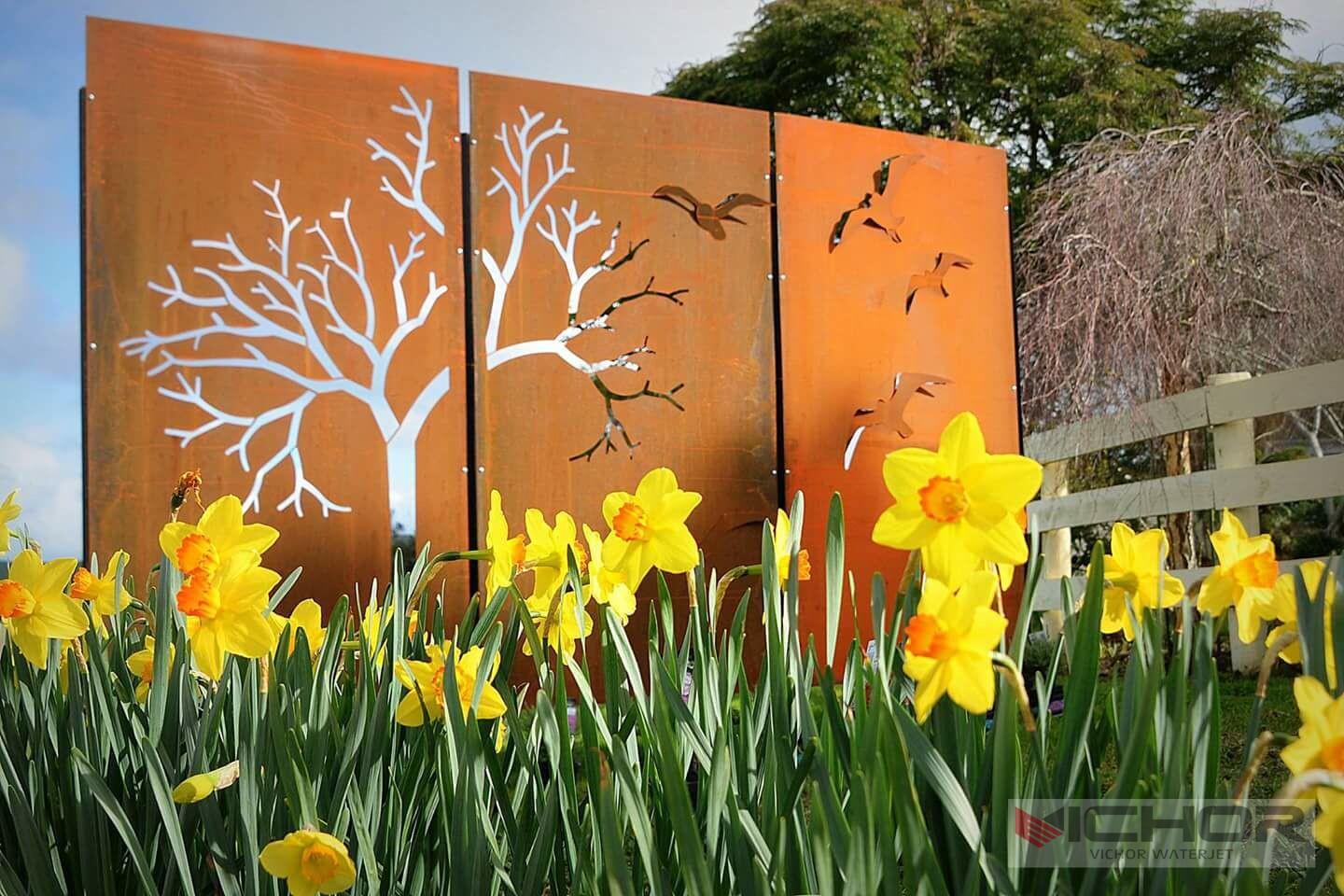
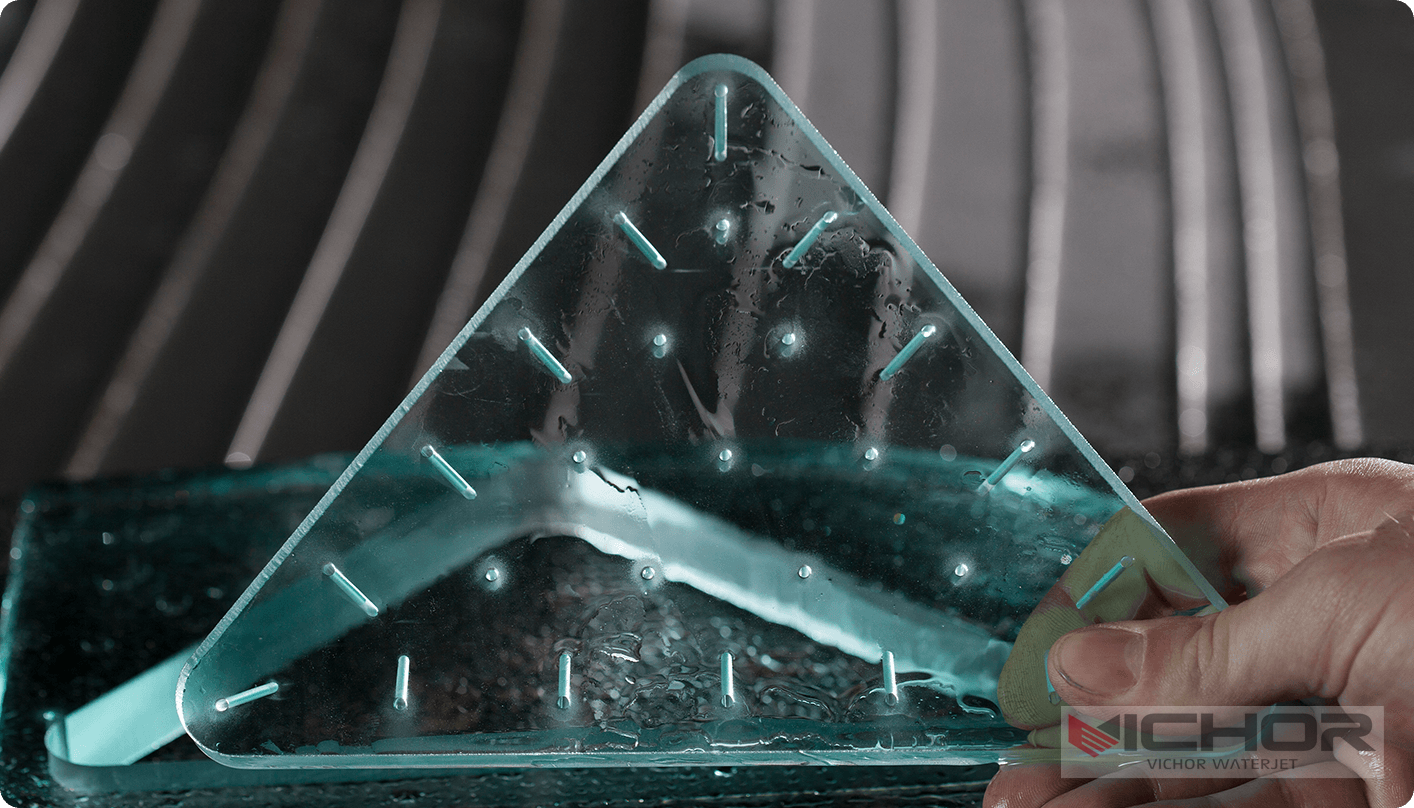
Architects and stone fabricators use them daily. A machine water jet can create intricate designs in marble, granite, and glass for countertops and artwork. Its precision allows for perfect joins and detailed patterns.
In general metal fabrication, it is a go-to machine for prototypes and production. It cuts tool steel, aluminum, and stainless steel for parts, machinery, and frames. The automotive sector uses it for interior components and custom parts.
Even niche industries like food processing use specialized pure water jets to cut cookies, frozen pizzas, and other products cleanly.
Understanding the Two Main Machine Types
There are two basic setups: pure water and abrasive. The pure water jet machine is simpler. It uses only the high-pressure water stream. It is perfect for cutting softer materials. These include rubber, foam, paper products, insulation, and food items.
The abrasive machine water jet is the more common industrial sight. It includes the abrasive delivery system, mixing chamber, and a tougher cutting head. This type handles all hard materials. Brands like VICHOR manufacture robust abrasive water jet systems. These are built for constant, reliable use in demanding job shops. VICHOR machines often focus on high precision and reduced operating costs over time.
Key Factors When Choosing a Machine Water Jet
Buying one is a significant decision. The first step is to list the main materials and thicknesses you work with. This determines the pump power you need. More pressure allows for faster cutting of thicker materials.
Next, consider the cutting table size. It needs to be larger than your biggest workpiece. Also, look at the machine’s precision. Terms like positioning accuracy and repeatability matter for detailed work.
The control software is another vital part. Good software makes programming easy. It helps nest parts to save material. Modern systems offer features like automatic head height control and collision avoidance. Companies like VICHOR invest heavily in user-friendly, powerful software for their machines.
Finally, think about total cost. This includes the purchase price and ongoing costs. Abrasive garnet, replacement parts for the pump, and maintenance all add up. A reliable brand with good support can save money and downtime in the long run.
Operational Costs and Maintenance Needs
Running a machine water jet has clear cost components. Abrasive garnet is the largest consumable cost for abrasive cutting. The amount used depends on the cutting head size and hours of operation.
The high-pressure pump has wearable parts. Seals, valves, and plungers need regular replacement. The cutting head itself has two wear items: the orifice and the mixing tube. These need changing to maintain cut quality and speed.
Regular maintenance is not complex but is essential. It includes checking filters, maintaining the abrasive delivery system, and ensuring the motion system is clean and aligned. Following the manufacturer’s schedule, like the one provided with a VICHOR machine water jet, prevents major breakdowns.
There is no single “best” cutting method for all jobs. Plasma is fast and cost-effective for thick steel. Laser is extremely fast and precise for sheet metal. But for unmatched material flexibility and cold-cutting capability, the machine water jet stands alone. It is the tool you choose when the material is expensive, heat-sensitive, or simply impossible for other machines to cut cleanly. Its role in modern manufacturing continues to grow as technology improves its speed and efficiency.
Frequently Asked Questions (FAQs)
Q1: What materials can a machine water jet NOT cut?
A1: Very few. Tempered glass and hardened diamonds are problematic because the water jet can initiate cracks. Ceramics and some extremely hard composites may cut very slowly. Generally, if a material can be eroded, a machine water jet can cut it.
Q2: How precise is a typical machine water jet cut?
A2: Modern machines are highly precise. A standard tolerance for a good quality abrasive machine water jet is around +/- 0.1mm (0.004 inches). Factors like material type, thickness, and cutting speed affect this. For comparison, this is often more precise than plasma and suitable for most industrial parts.
Q3: Is the water recycled or reused in the cutting process?
A3: No, the high-speed cutting water is not recirculated during the operation. It becomes wastewater mixed with abrasive and removed material particles. This slurry is collected in a tank below the cutting table. The water is then separated, treated, or disposed of according to local regulations. The used abrasive and material sludge are waste products.
Q4: How loud is a machine water jet, and what safety gear is needed?
A4: They are noisy, primarily from the pump and the cutting stream hitting the water in the tank. Sound levels often require hearing protection in the workshop. Standard safety glasses are a minimum. For abrasive cutting, a full face shield is better to protect from potential splashback. The area around the machine can also be wet and slippery.
Q5: Why might a shop choose a VICHOR machine water jet over other brands?
A5: Shops look for reliability, precision, and good value. VICHOR positions its machines with a focus on robust construction for 24/7 operation, high-pressure pump stability for consistent cuts, and intelligent software to optimize material use. Strong technical support and a global parts network are also key decision factors for businesses minimizing downtime.