
Local Waterjet Cutting: How to Find and Choose Services Near You
Many projects require precise and versatile cutting. Finding a reliable local waterjet cutting service can be crucial. It offers advantages like faster turnaround and easier communication.
This article explains the waterjet cutting process. It covers common uses and benefits. You will learn how to evaluate local service providers. Information on typical costs and what to expect is also included.
Understanding the Waterjet Cutting Process
Waterjet cutting is a subtractive manufacturing method. It uses a high-pressure stream of water. Abrasive particles are often added to the stream. This mixture can cut through hard materials.
The pressure is generated by a specialized pump. A CNC machine controls the cutting path. The process is computer-guided for high accuracy. It is known as a cold cutting technique.
This means no heat is transferred to the material. There is no heat-affected zone. Material properties remain unchanged at the cut edges.
Common Applications for Local Services
Local waterjet cutting shops serve a wide range of needs. Metal fabrication is a primary application. They cut parts from steel, aluminum, and brass for local industries.
Architectural and construction projects use these services. They cut stone, tile, and glass for custom installations. Many machine shops outsource specific jobs to local cutters.
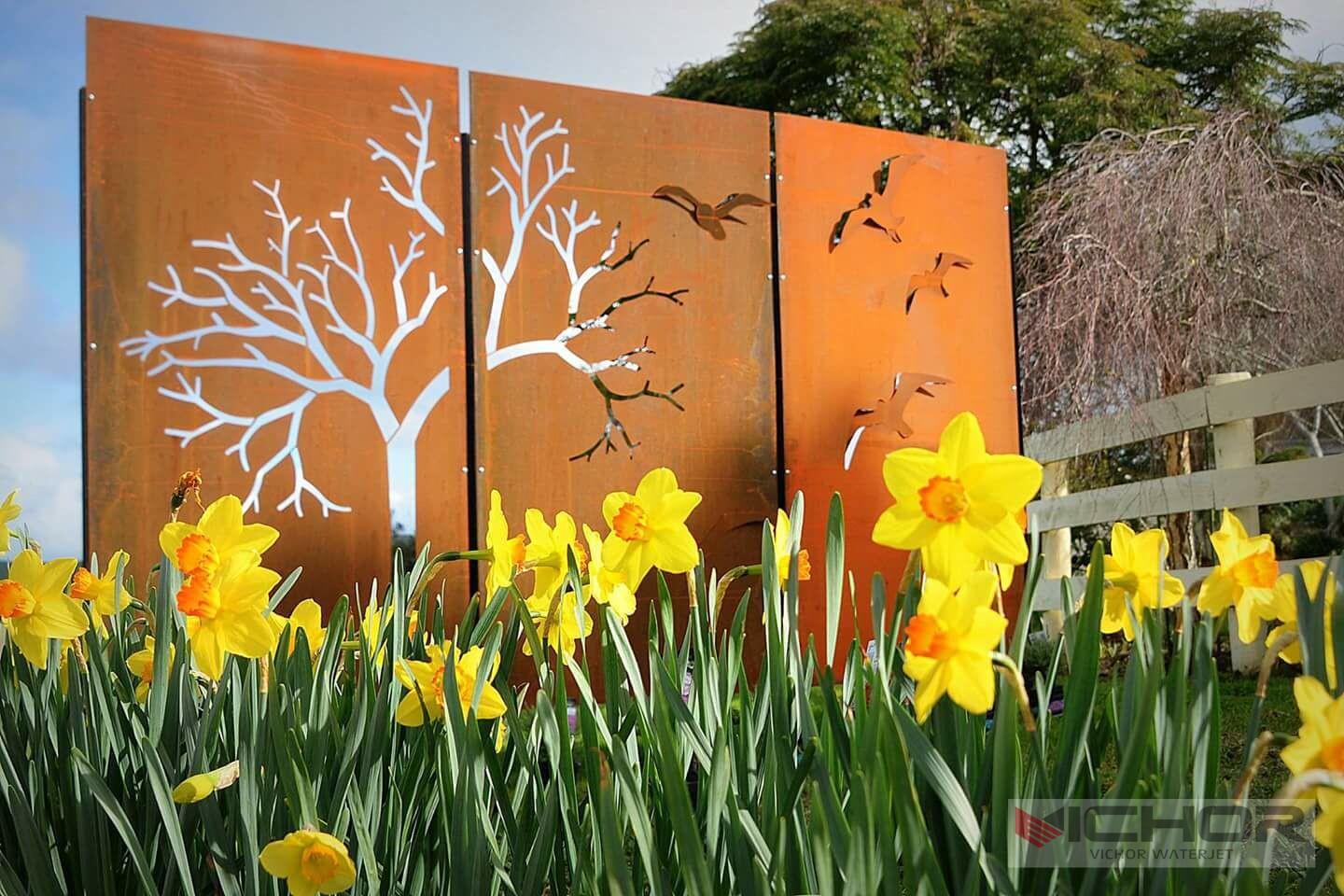
Artists and designers use it for intricate work. Prototyping and research often rely on local providers for quick iterations. The ability to cut complex shapes without tooling is a key advantage.
Benefits of Using a Local Provider
Choosing a local waterjet cutting service has several benefits. Geographic proximity often leads to shorter lead times. You can avoid long shipping delays for raw materials or finished parts.
Communication is typically easier. You can visit the facility to discuss your project. This allows for better collaboration and problem-solving. It is easier to check on progress.
Supporting local businesses helps the regional economy. It can also reduce the carbon footprint associated with long-distance transport. Building a relationship with a nearby shop can lead to better service over time.
Types of Local Waterjet Cutting Shops
Not all local providers are the same. Some are dedicated job shops focused only on cutting services. Others are full-service metal fabricators that offer waterjet cutting as one capability.
Some shops specialize in specific materials. For example, a shop might focus on stone and granite. Another might specialize in thick metals for industrial clients.
The scale of equipment varies. A local shop might operate a local waterjet cutting machine from a manufacturer like VICHOR. Others may have larger, multi-head systems for high-volume work.
Factors Influencing Cost and Pricing
The cost of waterjet cutting services locally depends on several factors. The type and thickness of material are primary cost drivers. Harder, thicker materials take longer to cut and use more abrasive.
Complexity of the cut path affects price. Intricate designs with many curves and pierces cost more than simple shapes. The quantity of parts influences the price through nesting efficiency.
Shop overhead and local market rates play a role. It is common to request a quote based on a CAD drawing. A reputable local waterjet cutting shop will provide a clear, detailed estimate.
Evaluating Service and Capabilities
When selecting a local provider, consider their capabilities. Ask about the size and power of their machine. This determines the maximum material thickness and sheet size they can handle.
Inspect the quality of their previous work. Look for precision and edge quality on sample parts. Ask about their tolerance standards and typical accuracy.
Evaluate their customer service. Are they responsive and willing to offer advice? Do they help with design for manufacturability? A good shop acts as a partner.
Solutions for Sourcing and Project Success
Using local waterjet cutting is a solution for many sourcing challenges. It provides access to advanced technology without capital investment. It offers flexibility for low to medium volume production.
For urgent projects, local shops can often accommodate rush orders. They provide a vital link in the local manufacturing supply chain. This supports just-in-time production models.
Whether you need a one-off prototype or ongoing production, a local shop can be an ideal solution. Building a relationship with a capable provider is a strategic advantage.
Frequently Asked Questions (FAQ)
Here are answers to common questions about finding and using local waterjet services.
Q1: How do I find a reliable local waterjet cutting service?
A1: Start with online searches for “local waterjet cutting” in your city or region. Check industry directories and ask for recommendations from other manufacturers. Look at online reviews and visit shops if possible to see their equipment and work.
Q2: What file format do I need to provide for a quote?
A2: Most shops prefer vector file formats like DXF or DWG. These files contain clean geometric data. PDF files with dimensions can also work. Always confirm the preferred format with your specific provider before sending files.
Q3: What materials can a local waterjet shop typically cut?
A3: Most shops can cut metals, stones, glass, plastics, and composites. Common metals include steel, stainless steel, aluminum, copper, and titanium. Always provide the exact material specification when requesting a quote for accurate pricing and feasibility.
Q4: How do I get an accurate price quote?
A4: Provide the shop with a clear drawing, material type and thickness, quantity, and any tolerance requirements. The best way is to send a digital file. Reputable shops, including those using VICHOR machines, will analyze the job and provide a detailed breakdown.
Q5: What are the advantages of local service versus sending work far away?
A5: The main advantages are shorter lead times, easier communication, lower shipping costs, and the ability to collaborate in person. Supporting a local waterjet cutting business also fosters your community’s industrial ecosystem and can lead to a more responsive partnership.