

Laser Jet Cutter For Sale: How Hybrid Cutting Technology Redefines Precision Manufacturing
Industrial fabricators often face a choice between thermal and mechanical cutting. A laser jet cutter for sale merges two powerful technologies into a single platform. These hybrid systems combine focused light energy with high-pressure waterjet capabilities. They offer unique advantages for shops processing diverse materials, from reflective metals to heat-sensitive composites. Leading manufacturers like VICHOR provide advanced equipment that bridges the gap between speed and material versatility.
Buying cutting equipment represents a significant capital investment. Understanding the capabilities, limitations, and operational costs of hybrid machines ensures a sound decision. This guide covers key aspects of acquiring a laser-waterjet combination system, including technical specifications, applications, and factors that influence long-term productivity.
What Is a Laser Jet Cutter? Understanding Hybrid Technology
A laser jet cutter integrates a fiber laser source with an abrasive waterjet system in one machine frame. Operators switch between technologies based on material type, thickness, and edge quality requirements. This dual-process approach eliminates the need for separate workcells and reduces material handling.
How the Two Processes Work Together
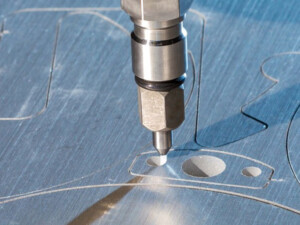
Laser cutting uses a focused beam to melt or vaporize material, assisted by a gas jet. Waterjet cutting employs ultra-high-pressure water mixed with garnet to erode materials mechanically. A hybrid machine allows seamless transitions—laser for thin metals, waterjet for thick plates or composites.
- Laser module: High-speed processing on carbon steel, stainless steel, aluminum up to 1 inch.
- Waterjet module: Cold cutting for titanium, copper, brass, glass, stone, and layered materials.
- Shared CNC control: Unified programming and nesting software for both processes.
This combination is particularly valuable for job shops that handle a wide variety of customer orders without retooling or outsourcing.
Key Advantages of a Dual-Technology Cutting System
Investing in a hybrid laser jet cutter for sale brings measurable benefits over single-process machines. The flexibility to choose the optimal method per job improves throughput and reduces secondary operations.
Material Versatility Without Boundaries
Laser alone struggles with reflective metals like copper and brass. Waterjet alone cuts slower on thin sheet metal. A hybrid system handles the full spectrum—thin aluminum profiles with laser, thick titanium brackets with waterjet, all on one machine footprint.
Reduced Setup and Floor Space
Having two separate machines requires more floor space, separate operator training, and duplicate material handling. A hybrid unit consolidates these requirements, often reducing capital costs and operational overhead.
Edge Quality Optimization
For parts requiring smooth, weld-ready edges, waterjet delivers burr-free results without heat-affected zones. For parts where speed matters and edge hardening is acceptable, laser provides rapid processing. Operators choose the method that best matches the final application.
Critical Factors When Evaluating a Laser Jet Cutter For Sale
Not all hybrid systems are built equally. Key specifications determine whether the equipment will meet your production targets and deliver acceptable return on investment.
Laser Power and Waterjet Pressure
Common laser sources range from 2 kW to 12 kW fiber. Higher power increases cutting speed and thickness capacity. Waterjet pressure typically runs between 60,000 and 90,000 psi, with higher pressures enabling faster abrasive cutting. Matching these specifications to your material mix is essential.
Table Size and Axis Configuration
Standard tables range from 4×8 feet to 6×12 feet and larger. Five-axis heads allow bevel cutting and complex profiling. Consider future growth—oversized tables accommodate larger parts without sacrificing rigidity.
Software Integration
Unified CAM software that supports both laser and waterjet parameters simplifies programming. Look for nesting algorithms that automatically assign the appropriate process based on material and geometry.
Applications That Benefit Most From Hybrid Cutting
Manufacturers across multiple industries use hybrid systems to solve challenging profiling tasks. The ability to switch between processes expands the range of projects a shop can quote and deliver.
Aerospace and Defense
Titanium components require waterjet to avoid microcracks. Aluminum brackets and thin skins can be laser-cut for speed. Hybrid machines handle both on the same work order.
Architectural Metal Fabrication
Stainless steel panels, brass decorative elements, and stone inlays are processed without changing equipment. Laser provides clean edges on thin sheet; waterjet cuts stone and thick metals precisely.
Electronics Enclosures
Thin aluminum and copper enclosures cut quickly with laser. Waterjet handles circuit board materials and heat sinks without thermal damage.
Job shops that serve diverse client bases find hybrid machines reduce reliance on subcontractors and shorten lead times.
Operational Costs and Consumables
Owning a hybrid cutting system involves predictable operating expenses. Laser consumables include protective windows, nozzles, and assist gases. Waterjet consumables include abrasive garnet, mixing tubes, high-pressure seals, and water filtration media.
Regular maintenance schedules prevent unplanned downtime. For waterjet components, seal replacement intervals depend on operating hours and water quality. For laser modules, lens cleaning and alignment checks preserve beam quality. Vendors like VICHOR provide detailed consumable management plans and remote monitoring to optimize cost per part.
Electricity consumption varies by process. Laser cutting typically uses less energy per hour than waterjet due to the high-pressure pump requirements. However, waterjet’s ability to cut thicker materials in a single pass can reduce overall energy per part compared to alternative methods.
Choosing the Right Supplier: Why VICHOR Stands Out
When searching for a laser jet cutter for sale, the manufacturer’s support network is as important as the machine specifications. VICHOR combines engineering expertise with global service capabilities.
Their hybrid platforms are designed for industrial environments, featuring robust construction, intuitive controls, and modular components that simplify maintenance. Customers receive comprehensive training, application support, and access to spare parts warehouses.
VICHOR also offers customization options—from automated loading systems to specialized software for specific industries. This flexibility ensures the machine fits your existing workflow rather than forcing workflow changes around the equipment.
Return on Investment and Financing Considerations
Hybrid cutting systems require a higher initial investment compared to single-process machines. However, the ROI calculation accounts for eliminated outsourcing, reduced floor space, and higher machine utilization. Shops that previously sent waterjet-only jobs to subcontractors often recover the differential cost within 18 to 24 months.
Leasing options and equipment financing can spread the capital expenditure over predictable monthly payments. Many suppliers, including VICHOR, work with financial partners to offer flexible terms. Factoring in potential tax incentives for manufacturing equipment further improves the business case.
Installation and Operator Training
Proper installation sets the foundation for reliable operation. Hybrid systems require stable electrical supply, adequate ventilation for laser cutting, and proper water treatment for the waterjet side. VICHOR provides site preparation guidelines and on-site commissioning.
Operator training covers both technologies, including safety protocols, CAM programming, tool changing procedures, and preventive maintenance. Cross-training operators on both processes maximizes scheduling flexibility and reduces dependency on specialized personnel.
Advanced training modules address topics like abrasive flow optimization, laser focus control, and five-axis profiling techniques. Continuous education ensures operators keep pace with software updates and new material processing techniques.
Future-Proofing Your Cutting Operations
Manufacturing technologies evolve rapidly. Hybrid systems offer a degree of future-proofing because they already accommodate multiple processes. As new laser sources or waterjet pump technologies emerge, some machine designs allow upgrades rather than full replacement.
Additionally, Industry 4.0 connectivity—such as real-time monitoring, predictive maintenance alerts, and integration with enterprise resource planning (ERP) systems—keeps your equipment aligned with digital factory trends. VICHOR’s control platforms support these features, enabling data-driven decision-making.
In summary, a laser jet cutter for sale represents a strategic acquisition for shops seeking maximum material flexibility and operational efficiency. By combining the speed of laser with the versatility of waterjet, hybrid systems empower manufacturers to expand their service offerings and compete effectively in demanding markets.
Frequently Asked Questions About Laser Jet Cutting Systems
Q1: What is the difference between a laser cutter and a laser jet cutter?
A1: A standard laser cutter uses only a focused beam to cut materials. A laser jet cutter integrates both a fiber laser and an abrasive waterjet system in one machine. This allows operators to switch between thermal cutting for speed and cold cutting for heat-sensitive or thick materials without changing equipment.
Q2: Can a laser jet cutter cut reflective metals like copper and brass?
A2: Yes. While laser alone can struggle with reflective metals, the waterjet side of a hybrid system handles copper, brass, and aluminum with ease. Operators select waterjet for these materials to avoid back-reflection damage and achieve clean edges without heat effects.
Q3: How much floor space does a typical hybrid system require?
A3: Hybrid machines occupy a similar footprint to a standalone waterjet or laser of the same table size. By combining two technologies in one unit, they actually save floor space compared to housing separate laser and waterjet machines. Most models require approximately 200 to 400 square feet depending on table dimensions and auxiliary equipment.
Q4: What maintenance is required for a laser jet cutter?
A4: Maintenance includes two distinct sets of tasks. For the laser side: lens cleaning, gas system checks, and beam alignment. For the waterjet side: high-pressure seal replacement, mixing tube changes, abrasive hopper cleaning, and water treatment system servicing. VICHOR provides scheduled maintenance programs to manage both.
Q5: Can I use a laser jet cutter for both thin sheet metal and thick stone?
A5: Absolutely. The hybrid design is ideal for shops that process thin metals with laser for speed and thick stone or engineered materials with waterjet for precision. The same machine nests parts from both material types, optimizing workflow and reducing material handling.
Q6: What software is used to program hybrid cutting jobs?
A6: Advanced CAM software with built-in process selection manages both technologies. Operators define material type and thickness, and the software recommends laser or waterjet parameters. Nesting algorithms can automatically assign the optimal process per part, maximizing throughput and material utilization.
Q7: Is financing available for purchasing a hybrid cutting system?
A7: Yes. Many equipment suppliers, including VICHOR, partner with financial institutions to offer leasing and loan options. Terms vary based on credit profile and equipment cost. Some programs include maintenance packages to simplify budgeting.