Jet Cutting Machine: How It Works, Applications, and How to Select One
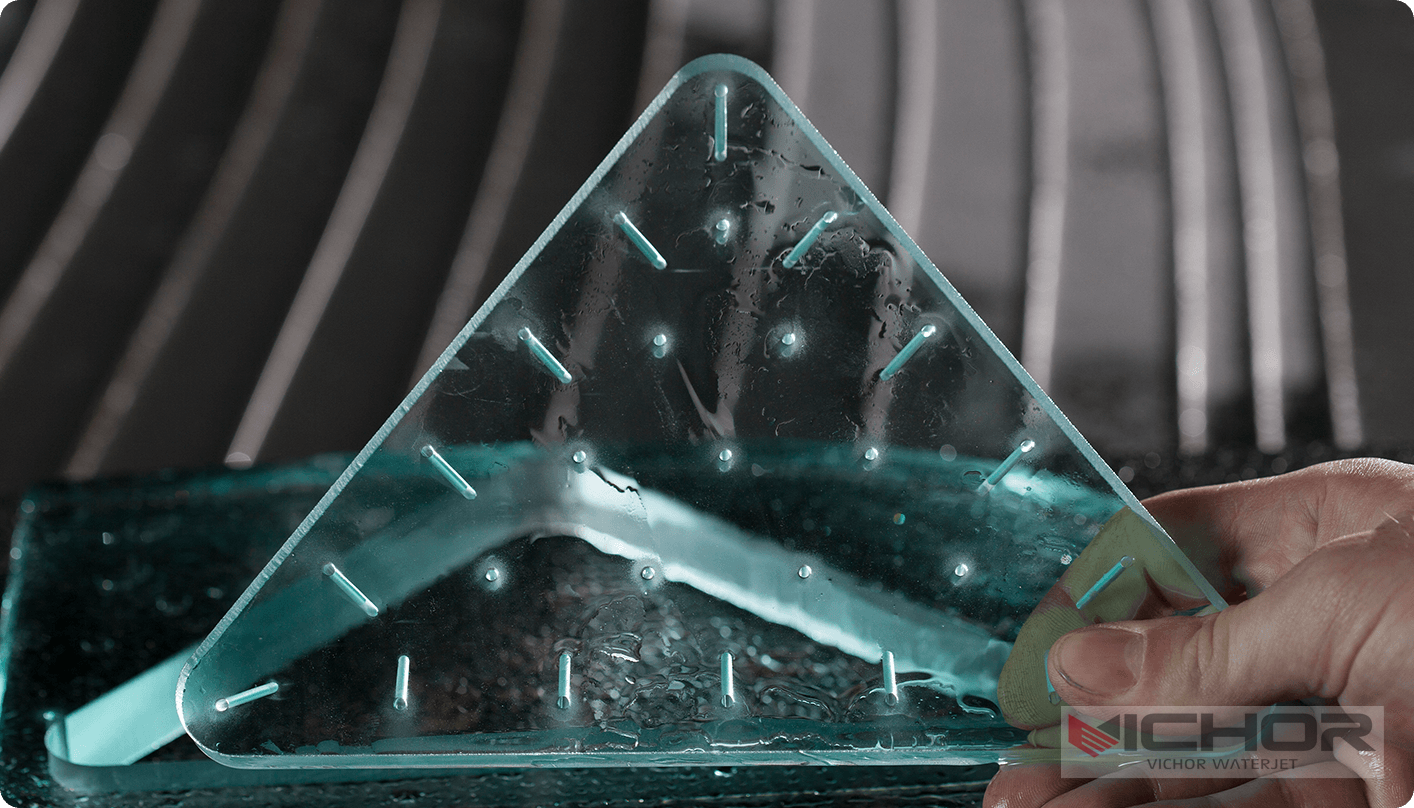
A jet cutting machine stands as one of the most versatile tools in modern manufacturing and fabrication. Unlike traditional methods that rely on heat or physical blades, this technology harnesses the immense power of high-pressure water, often mixed with abrasive materials, to slice through an astonishing array of substances. From delicate sheets of foam to 20-centimeter-thick titanium, the capabilities of a waterjet cutter are reshaping production floors globally. Its core advantage is clear: it cuts without generating heat-affected zones, preserving material integrity and allowing for complex, precise shapes that other machines cannot achieve.
How a Jet Cutting Machine Operates
The principle behind a jet cutting machine is elegant yet powerful. A high-pressure intensifier pump pressurizes ordinary water to levels exceeding 60,000 PSI. This ultra-high-pressure stream is then forced through a tiny orifice in a gemstone, usually ruby or diamond, creating a supersonic jet.
For cutting hard materials like metals, stone, or glass, an abrasive substance, typically garnet, is introduced into this pure water jet. The abrasive particles mix with the water stream in a focusing tube, creating an erosive saw that grinds through the material. For softer materials like rubber, food, or insulation, the pure waterjet alone is sufficient. This dual capability makes the jet cutting machine uniquely flexible.
Primary Types of Waterjet Cutting Systems
Understanding the two main configurations is crucial for selecting the right equipment. The first is the pure waterjet cutter, designed for soft materials. It is exceptionally clean, fast, and ideal for industries like food processing, where it cleanly slices cakes or poultry, or textiles.
The second, and more common type in heavy industry, is the abrasive jet cutting machine. This system integrates the abrasive delivery system and is built for durability to handle the wear from cutting metals, composites, and stone. Leading manufacturers like VICHOR offer robust abrasive jet systems known for reliability and precision in demanding environments. They often feature advanced pump technology and intuitive controls.
Key Industries and Material Applications
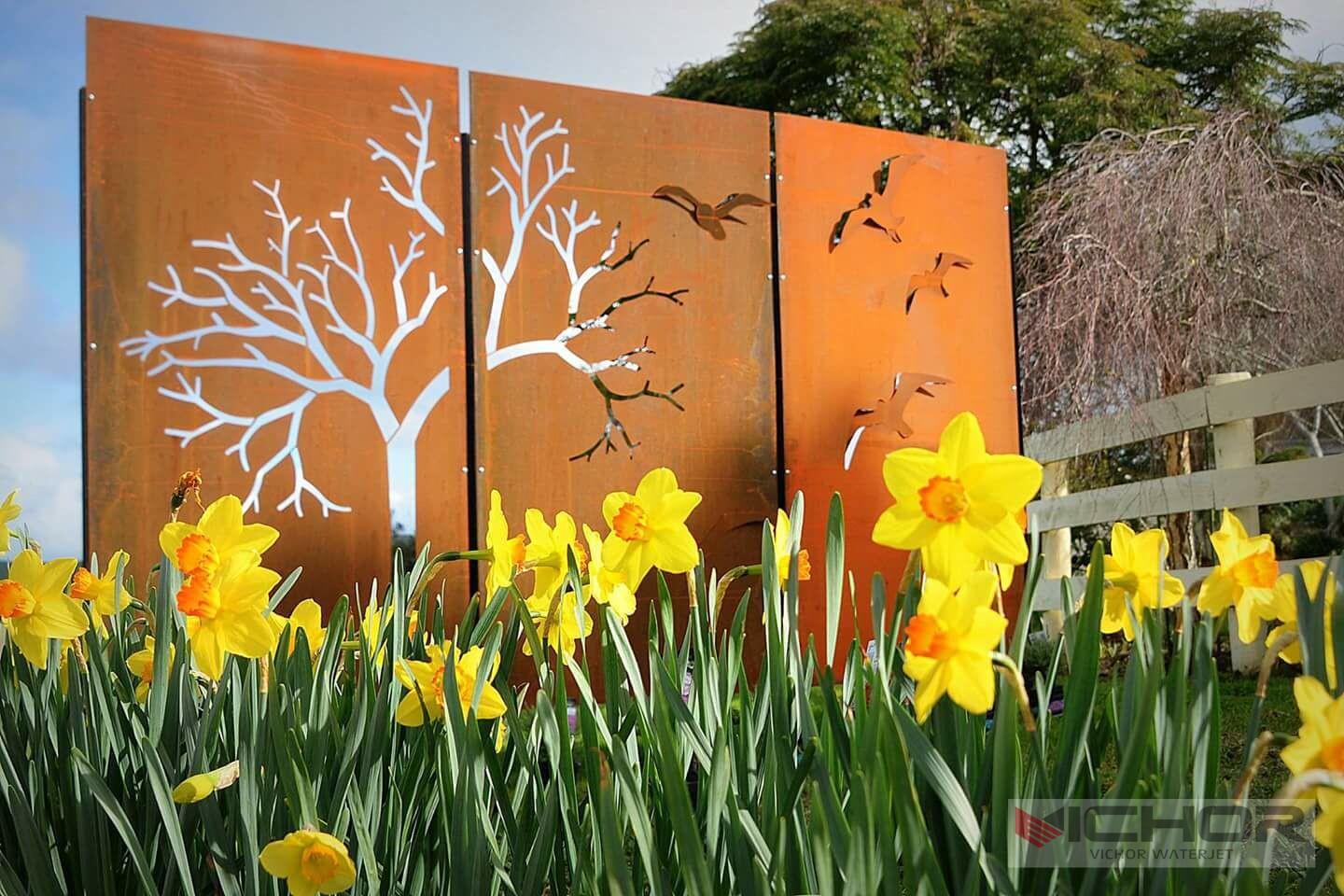
The reach of jet cutting technology is vast. In aerospace, it cuts intricate shapes from aluminum, titanium, and advanced carbon-fiber composites without compromising their structural properties. The architectural and stone industry uses it for detailed countertops, tiles, and artistic inlays in granite and marble.
Metal fabrication shops rely on it for precision parts, tool steel, and complex assemblies. Even the automotive sector uses it for cutting interior components, gaskets, and trim. The “cold” cutting nature of a jet cutting machine is also indispensable for processing explosive or heat-sensitive materials, a task impossible for plasma or laser cutters.
Advantages Over Laser and Plasma Cutting
Each cutting technology has its place, but the jet cutting machine offers distinct benefits. The most significant is the absence of heat. Laser and plasma cutters melt material, creating a heat-affected edge that can harden, warp, or micro-crack metals. A waterjet leaves a smooth, cool edge ready for immediate use.
It also boasts superior material versatility. A single jet cutting machine can switch from cutting 10-inch thick stainless steel to a thin sheet of acrylic, then to a slab of stone, with only a change in cutting head and settings. There are no toxic fumes or gases produced, making it a cleaner and safer option for operators.
Choosing the Right Jet Cutting Machine
Selecting a system requires careful thought. First, consider your primary materials and thicknesses. This determines whether you need a pure or abrasive system and the necessary pump horsepower. Second, evaluate the table size and precision (tolerance and repeatability) required for your parts.
Third, assess the machine’s software and controller. A user-friendly interface, like those on VICHOR systems, streamlines design import and nesting to maximize material usage. Finally, factor in operational costs, including pump maintenance, abrasive consumption, and nozzle wear. A reliable partner like VICHOR provides not just the machine but the ongoing support and parts to ensure maximum uptime.
The Role of Software and Modern Controls
Today’s jet cutting machine is driven by sophisticated software. Operators import CAD drawings, and the software generates efficient cutting paths, manages nozzle height, and adjusts cutting speed for different material sections. Advanced systems can even perform automatic 5-axis cutting for complex bevels and angles.
This digital integration minimizes waste and programming time. It allows for the precise execution of designs that would be impractical by hand, ensuring every jet cutting machine operates at peak efficiency and accuracy.
A jet cutting machine represents a significant investment in capability and flexibility for any workshop. Its power to cut virtually any material with precision and without thermal distortion makes it an irreplaceable asset in industries ranging from heavy metalworking to delicate food production. As technology advances, with companies like VICHOR pushing the boundaries of pressure, precision, and automation, the applications for this remarkable tool will only continue to expand.
Frequently Asked Questions (FAQs)
Q1: What is the maximum thickness a jet cutting machine can handle?
A1: An abrasive jet cutting machine can cut very thick materials. For softer metals like aluminum, thicknesses up to 250mm (10 inches) are possible. For harder steels, practical cutting thickness is typically in the 150-200mm (6-8 inch) range. The limit depends on the pump pressure, abrasive quality, and cutting speed tolerance.
Q2: Does waterjet cutting leave a rough edge?
A2: The edge quality varies. At higher cutting speeds, a slightly rougher “striated” edge occurs. By slowing the cut speed or using advanced dynamic controls, a jet cutting machine can produce a very smooth, near-finished edge. Often, a fine finish is achieved in a single pass, eliminating secondary machining.
Q3: Can a jet cutting machine be used for food products?
A3: Absolutely. Using a pure waterjet (no abrasive) configuration with a sanitary pump and food-grade components, it excels at portioning frozen foods, baked goods, fish, and poultry. It is hygienic, crumb-free, and incredibly precise.
Q4: What are the main operating costs of running a waterjet?
A4: The primary consumables are the abrasive garnet (for abrasive cutting), waterjet pump parts (seals, valves), and the orifice and focusing tube. Electricity and water usage are also factors. Choosing a reliable machine with good part life, like those from VICHOR, helps manage long-term operating expenses.
Q5: How does a jet cutting machine from VICHOR stand out in the market?
A5: VICHOR jet cutting machines are recognized for their robust construction, high-pressure pump reliability, and precise motion systems. They focus on delivering industrial-grade durability and user-friendly software, backed by strong technical support and a global service network, making them a dependable choice for high-productivity environments.