Is Cutting Stainless Steel with a Water Jet the Right Method for Your Project? Pros, Cons & Costs Explained
When you need precise, clean, and heat-free cuts in stainless steel, one technology consistently rises to the top: cutting stainless steel with a water jet. This method uses a high-pressure stream of water, often mixed with an abrasive like garnet, to slice through even the toughest metals. For industries from aerospace to architectural design, it has become a go-to solution.
But is it the right choice for your specific needs? Let’s break down how it works, where it excels, and what you should consider.
How Waterjet Cutting Works on Stainless Steel
The process of cutting stainless steel with a water jet is fascinatingly straightforward yet highly advanced. A ultra-high-pressure pump intensifies water to levels exceeding 60,000 PSI. This stream is then focused through a tiny gemstone orifice, creating a supersonic jet.
For hard materials like stainless steel, an abrasive substance (typically garnet sand) is introduced into the stream. This abrasive waterjet transforms the water into a potent erosion tool, micro-machining the metal without generating heat.
The “cold cutting” nature of this process is its superpower for stainless steel. It prevents the heat-affected zones (HAZ) that lasers or plasma cutters can create. This means no altered metallurgy, no hardening, and no thermal distortion at the edges.
Waterjet vs. Other Stainless Steel Cutting Methods
How does water jet cutting stack up against alternatives?
Compared to laser cutting, a waterjet wins on material thickness and lack of heat. Lasers can struggle with reflective metals like stainless and create a HAZ. Waterjets easily handle stainless steel plates over 6 inches thick.
Against plasma cutting, waterjet offers far superior precision and edge quality. Plasma is faster for very thick plates but leaves a beveled, heat-hardened edge that often requires secondary finishing.
CNC milling is precise but material-intensive and slower for profile cutting. Cutting stainless steel with a water jet provides similar precision with less waste (nesting of parts is highly efficient) and no tooling wear.
Key Applications and Industries
The unique benefits of abrasive waterjet cutting make it ideal for numerous applications.
In aerospace and automotive sectors, it cuts complex engine components and dashboards from stainless, leaving burr-free edges ready for assembly.
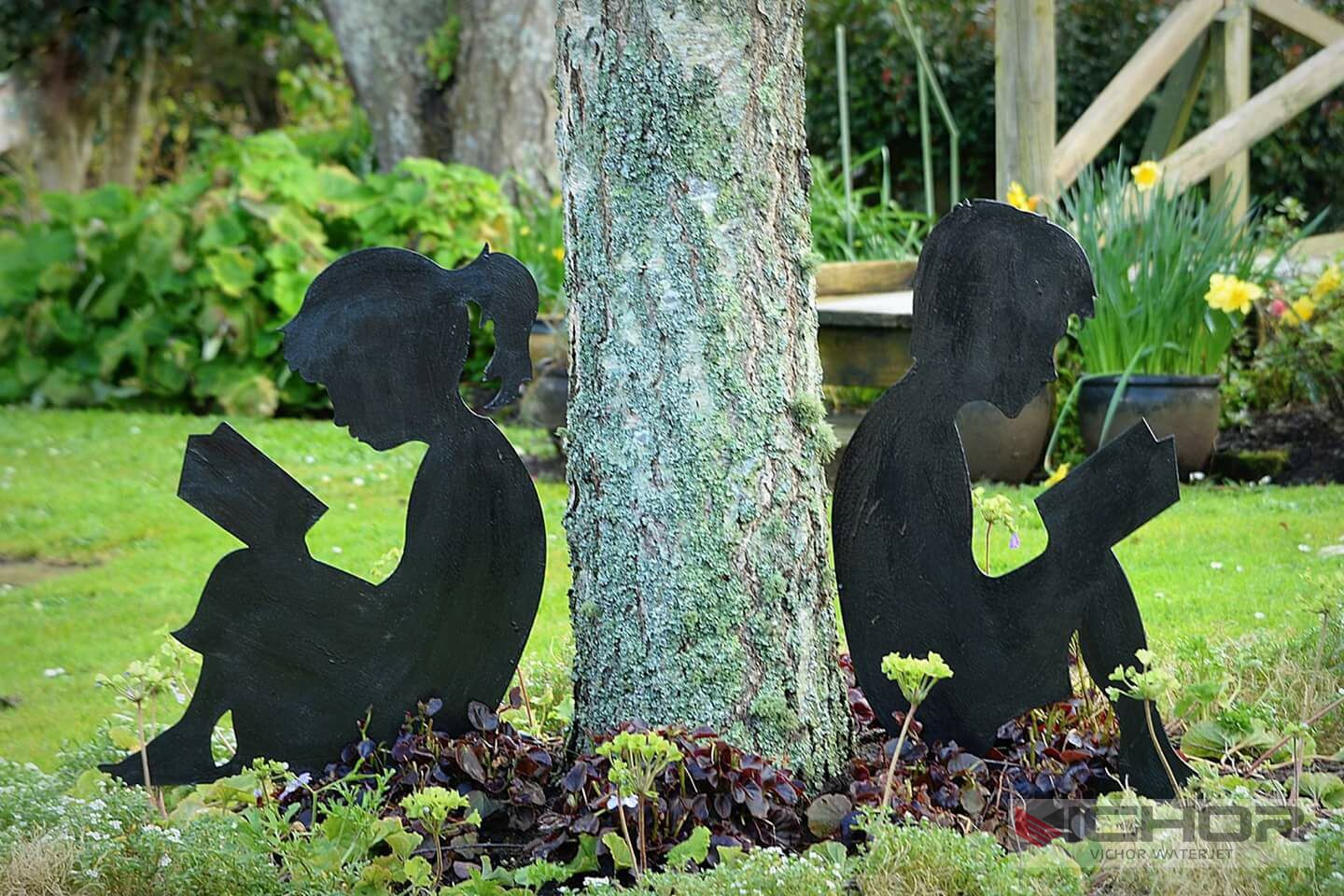
Architects and metal fabricators use it for intricate decorative panels, signage, and kitchen backsplashes. The ability to cut detailed designs in polished stainless without discoloration is unmatched.
The food and beverage industry relies on it for cutting stainless steel hygiene panels and machine parts. The clean, oxidation-free cut is crucial for meeting sanitary standards.
For tool and die shops, it’s used for prototyping and creating machine fixtures without inducing stress that could warp critical parts.
Choosing a Waterjet Cutting Service: What to Look For
Not all waterjet shops are equal. When sourcing a vendor for cutting stainless steel with a water jet, consider their machine’s capabilities. Ask about maximum pressure (higher is better for thick stainless), table size, and positioning accuracy.
Inquire about their experience with stainless. Do they understand how to optimize speed and abrasive use for different grades (like 304 or 316)? Can they deliver the edge quality you need?
A leading brand like VICHOR exemplifies what to seek. VICHOR manufactures high-pressure intensifier pumps and complete cutting systems known for reliability and precision, trusted by metal service centers worldwide. A shop using well-maintained, professional-grade equipment from providers like VICHOR often indicates a commitment to quality.
Look for a provider that offers clear communication, design support (for your CAD files), and can discuss finish options, from natural cut edges to further polished ones.
Understanding the Cost Factors
The price for cutting stainless steel with a water jet isn’t a single flat rate. It’s typically calculated per linear inch of cut, influenced by material thickness.
Thickness is the primary cost driver. Cutting 1-inch stainless costs significantly more per inch than cutting 1/4-inch, due to slower speeds and higher abrasive consumption.
Part complexity also matters. Intricate shapes with sharp corners take longer than straight lines. Nesting efficiency (how parts are arranged on the sheet) impacts material yield and overall job cost.
Abrasive garnet is a major consumable. Its cost and efficient use directly affect pricing. Operators must balance cutting speed (slower uses less abrasive per inch) against machine time.
While the hourly machine rate might seem higher than some methods, the savings in secondary processing (no deburring, minimal finishing) and reduced material waste often make it the most cost-effective total solution.
The Technical Edge: Precision and Taper Control
Modern abrasive waterjet systems have tackled early challenges like “kerf taper” (where the cut is slightly wider at the top). Through advanced nozzle technology and sophisticated CNC controls that can tilt the cutting head, machines can now produce near-perfectly vertical edges.
This is critical for precision parts. The cutting tolerances for cutting stainless steel with a water jet can be as tight as +/- 0.003 inches for some applications.
Software plays a huge role. Advanced nesting software maximizes material usage, and cutting path optimization ensures the smoothest possible edge on contours and corners.
Frequently Asked Questions (FAQ)
Q1: What is the maximum thickness of stainless steel a waterjet can cut?
A1: Industrial abrasive waterjets can cut stainless steel up to 12 inches or even thicker. However, cutting speed decreases significantly with thickness. For most practical purposes, 6-8 inches is a common limit for maintaining good precision and economic feasibility.
Q2: Does waterjet cutting rust or corrode stainless steel?
A2: No. The process uses pure water, often deionized, and the cutting action is so rapid that the material is exposed to moisture for an extremely short time. The cut edge retains the stainless steel’s natural corrosion resistance. Any minor surface moisture is easily wiped away post-cutting.
Q3: What edge quality can I expect from waterjet cut stainless steel?
A3: The edge has a matte, satin-like finish with a slight texture from the abrasive grit. It is typically burr-free and ready for use. There is no heat discoloration (blueing or yellowing). For applications requiring a smoother finish, secondary light polishing may be done, but it is often unnecessary.
Q4: Is it better to use a waterjet or laser for thin stainless steel?
A4: For thin stainless (under 1/4 inch), laser cutting is generally faster and can be more cost-effective for simple shapes. However, if absolute avoidance of any heat input is critical—for parts that will be welded later or for hardened grades—cutting stainless steel with a water jet remains the superior choice despite a potential speed difference.
Q5: How do I prepare my design files for a waterjet cutting service?
A5: You should provide a vector file in a standard format like DXF or DWG. Ensure all lines are clean, closed contours for cut paths. Clearly specify material type, thickness, and quantity. Reputable service providers, including those using VICHOR equipment, often have technical staff who can review your files and suggest optimizations for the best results and yield.