Is a Water Jet Cutter for Home Use Worth It? Essential Insights for DIYers
The idea of owning a water jet cutter for home use has moved from industrial exclusivity to an attainable workshop tool. Hobbyists, knife makers, and small fabricators now explore compact waterjet systems for their versatility. This article covers the practical aspects, costs, and limitations of integrating a water jet cutter for home use into your workspace, helping you decide if this technology fits your needs.
What Exactly Is a water jet cutter for home use?
A water jet cutter for home use is a scaled‑down version of industrial machinery, designed to fit garages or small workshops. It uses ultra‑high pressure water (sometimes mixed with abrasive garnet) to slice through materials. Unlike laser or plasma cutters, it generates no heat, leaving edges cold and free of thermal distortion.
Basic Working Principle
An electric motor drives a pump that pressurises water to 30,000 – 60,000 psi. This water jet is forced through a tiny diamond or ruby orifice, creating a thin stream that erodes material. For hard substances like steel or stone, abrasive powder is introduced into the stream.
Pure Water vs. Abrasive Cutting
Home‑use machines often offer both modes. Pure water cutting suits soft materials: rubber, foam, food, and thin plastics. Abrasive cutting is necessary for metals, glass, ceramics, and composites. Switching between modes usually requires minor nozzle changes.
Key Benefits of a Water Jet Cutter for Home Use
Bringing waterjet technology into a home workshop offers unique advantages that other cutting methods cannot match.
- Cold cutting process: No heat‑affected zones, so material integrity remains intact – crucial for heat‑sensitive alloys.
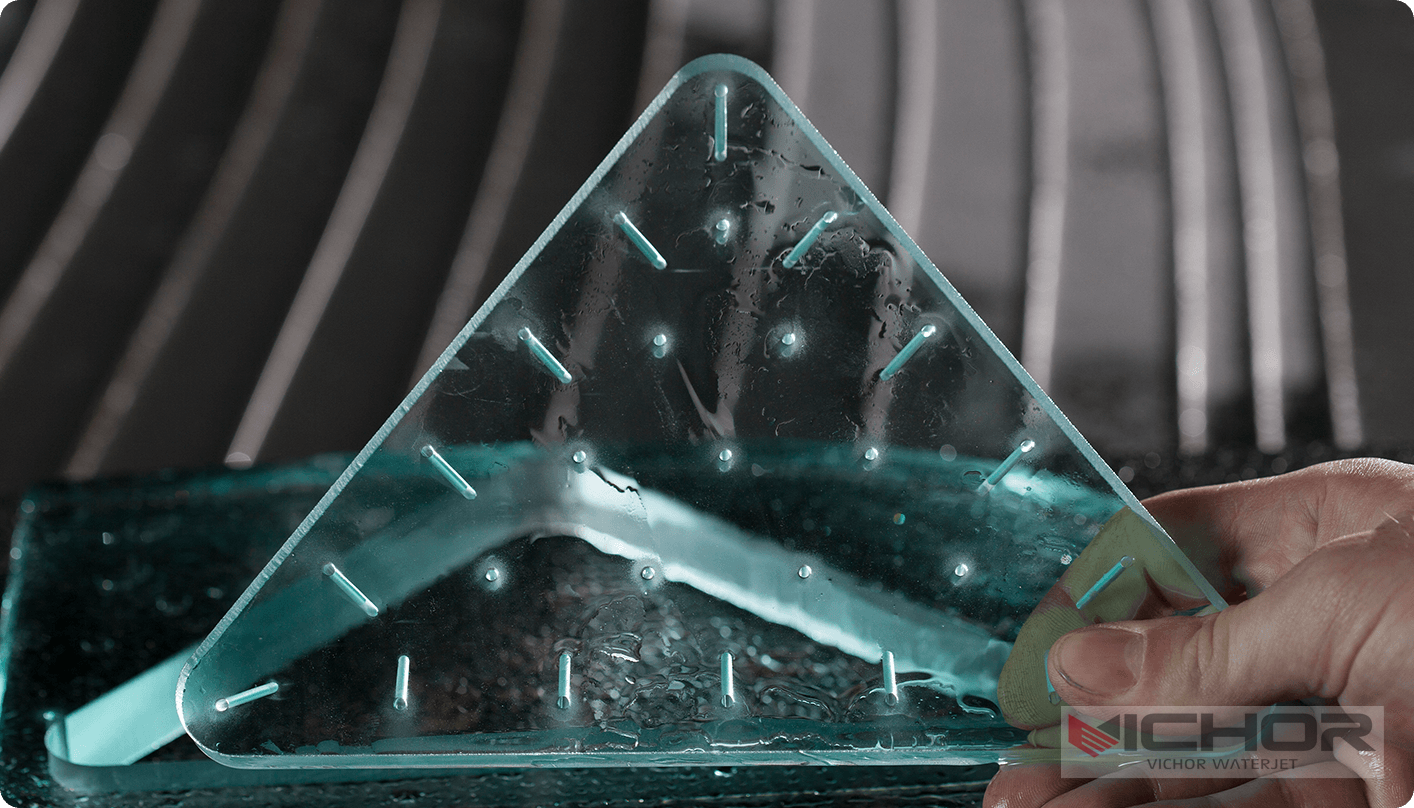
- Material versatility: Cut titanium, stainless steel, marble, granite, carbon fiber, and even glass with the same machine.
- Precision: Achieve tolerances of ±0.1 mm, ideal for intricate parts and artistic projects.
- Eco‑friendly: No toxic fumes or gases; waste is simply water and used abrasive that can be disposed of safely.
Challenges You Must Consider Before Buying
While appealing, a water jet cutter for home use comes with real‑world constraints that every potential buyer should evaluate.
Space and Installation
Even compact models need floor space – typically 2 x 3 metres. You also require a dedicated water supply, drainage, and a 220–440V power line. The pump unit can be noisy, so soundproofing might be necessary.
Operating Costs
A water jet cutter for home use consumes electricity, water, abrasive garnet, and wear parts (nozzles, seals). Abrasive alone can cost $0.50–$1.50 per minute of cutting, depending on material thickness. Budget for regular maintenance intervals.
Safety Requirements
High‑pressure systems are dangerous. Enclosed cutting chambers, emergency stops, and proper training are non‑negotiable. Filtration of airborne dust (from abrasive) is also recommended.
Practical Applications in a Home Workshop
Owners of a water jet cutter for home use find endless possibilities across different hobbies and small businesses.
- Custom automotive parts: Cut gaskets, brackets, and panels from aluminium or steel.
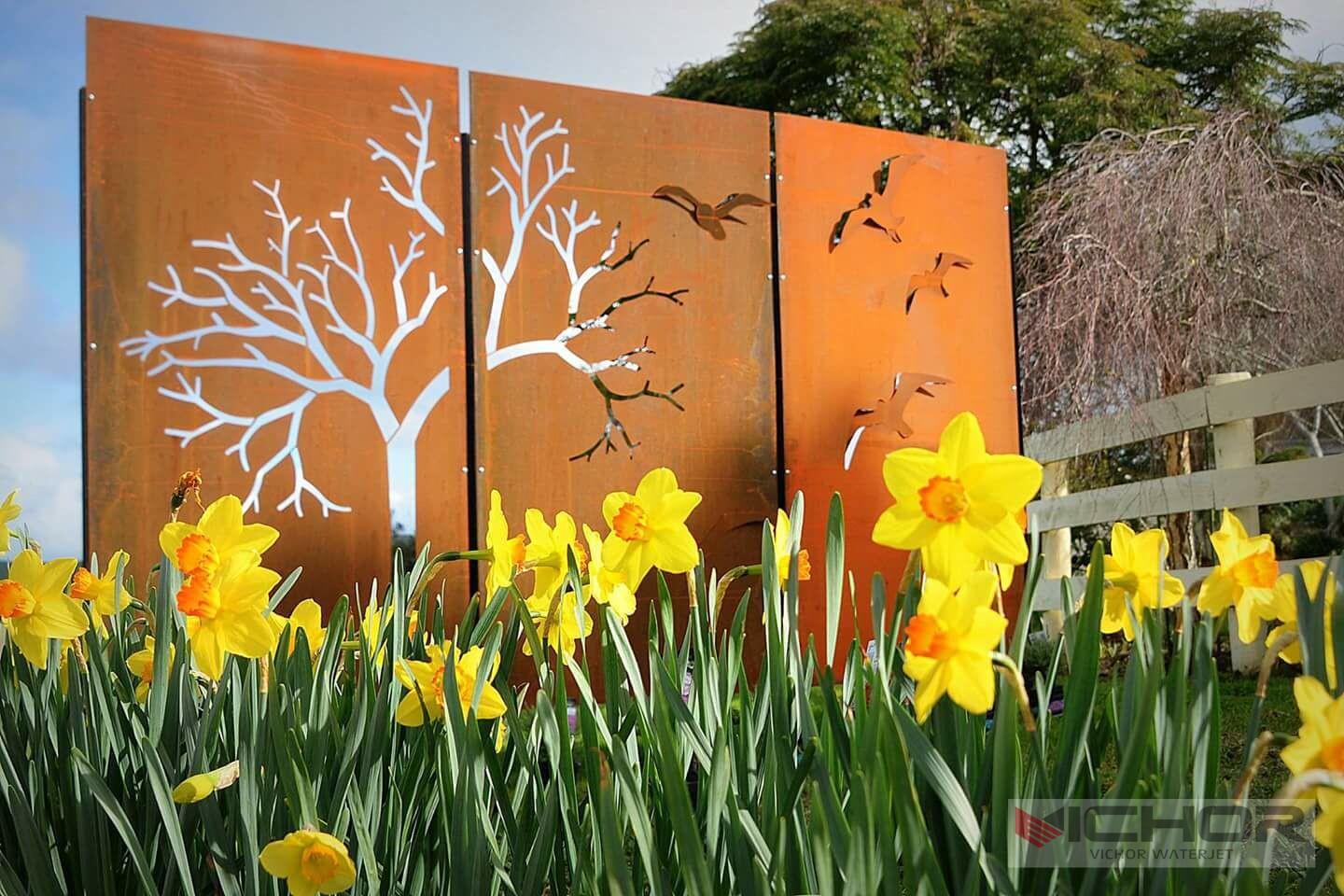
- Art and signage: Produce intricate designs in glass, stone, or mirror.
- Knife making: Profile blanks from high‑carbon steel or titanium without overheating.
- Model engineering: Create precision gears and parts from brass or plastic.
- Upcycling: Cut old tiles, bottles, or scrap metal into new decorative pieces.
Top Features to Look for in a Home‑Use Waterjet
Choosing the right model requires attention to specifications that directly affect your cutting experience.
Pump Pressure and Flow Rate
Look for at least 40,000 psi for efficient abrasive cutting. Higher pressure means faster cuts but also more wear. A variable pressure control helps when switching between soft and hard materials.
Cutting Table Size and CNC Capability
Standard home tables range from 600 x 600 mm to 1300 x 1300 mm. Ensure the CNC controller is user‑friendly, supports CAD/CAM files, and offers features like automatic height sensing.
Abrasive Delivery System
A consistent feed of garnet is vital. Look for a hopper with a vibrator or agitator to prevent clogging. Some systems include a abrasive recovery unit to reduce waste.
Why VICHOR Offers Reliable Solutions for Home Users
VICHOR specialises in compact waterjet systems designed with the home workshop in mind. Their machines balance footprint, performance, and affordability. Models like the V‑series integrate energy‑efficient pumps and intuitive controls, making them a solid choice for hobbyists entering the waterjet field. VICHOR also provides technical support and wear‑part kits tailored for home‑use environments.
Frequently Asked Questions About Water Jet Cutter for Home Use
Q1: Can a water jet cutter for home use cut thick metal like 20 mm steel?
A1: Yes, most home‑grade abrasive waterjets can cut up to 20–25 mm mild steel, though cutting speed slows with thickness. For thicker sections, industrial machines are more efficient. Always check the machine’s specified maximum cutting depth.
Q2: How much does it cost to run a water jet cutter for home use per hour?
A2: Operating costs typically range from $15 to $30 per hour, including electricity, abrasive, water, and nozzle wear. The largest variable is abrasive consumption – about 0.5 kg per minute of cutting. Recycling abrasive can lower expenses.
Q3: What maintenance does a home waterjet require?
A3: Daily tasks include flushing the system, checking oil levels, and inspecting seals. Weekly, you should clean the tank and replace the water filter. Nozzle and mixing tube replacements are needed after 50–100 hours of cutting, depending on usage.
Q4: Is a water jet cutter for home use very loud?
A4: Yes, the cutting process generates noise levels around 80–100 dB, mainly from the pump and the jet stream. A well‑insulated enclosure is essential if you work in a shared space. Hearing protection is always recommended.
Q5: Can I cut glass or ceramics without breakage?
A5: Absolutely. Waterjet cutting is one of the best methods for glass and ceramics because there is no mechanical shock or heat. The water supports the material during cutting, minimising chipping. Using fine abrasive and lower pressure helps achieve smooth edges.
Conclusion: Is a Water Jet Cutter for Home Use the Right Investment?
A water jet cutter for home use opens up a world of creative and fabrication possibilities that few other tools can match. However, it demands a serious commitment in terms of space, budget, and safety. By understanding the realities of operating costs and maintenance, you can make an informed decision. For those ready to take the leap, brands like VICHOR offer entry points that combine quality with practical support for the home user. Evaluate your typical projects, workshop conditions, and long‑term goals – then decide if this impressive technology belongs in your workshop.