Hydrojet Cutter Explained: How It Works, Benefits, and Buying Tips (2026)
A hydrojet cutter uses a high-pressure stream of water to slice through materials with incredible precision. Often referred to as a waterjet cutter, this machine is a staple in modern manufacturing. It operates without heat, preserving the natural properties of the workpiece. Shops use it for metals, composites, stone, and even food products. The versatility of a hydrojet cutter makes it a valuable asset for any fabrication business. Below we explore its workings, advantages, and selection criteria.
1. What Is a Hydrojet Cutter?
A hydrojet cutter is a machine that accelerates water to supersonic speeds. This concentrated jet erodes material along a programmed path. For softer materials, pure water suffices. For harder substances like steel or titanium, abrasive particles are added. The term “hydrojet” often emphasizes the use of water as the primary cutting force. These systems are known for their clean cuts and minimal waste.
Pure Water vs. Abrasive Hydrojet
Pure water cutting works well for foam, rubber, and thin plastics. It relies solely on the pressure of the water stream. Abrasive hydrojet introduces garnet into the mix. This transforms the jet into a powerful saw capable of cutting through thick metal plates. When evaluating a hydrojet cutter, consider the materials you process most frequently.
2. How Does a Hydrojet Cutter Operate?
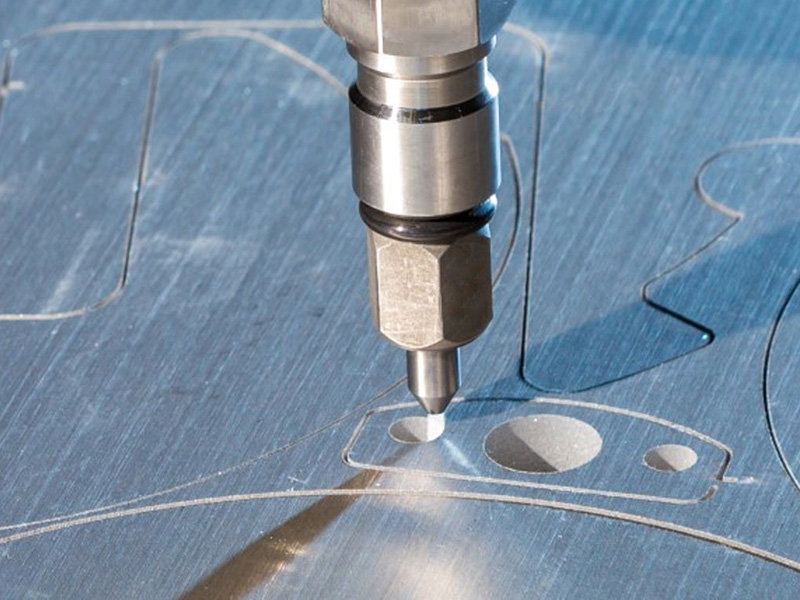
The operation of a hydrojet cutter involves several key components working in harmony. Water is pressurized by a pump and directed to a cutting head. Here it passes through a small orifice to form a coherent stream. In abrasive mode, garnet is fed into the mixing chamber. The jet then exits through a focusing tube aimed at the material.
The High-Pressure Pump
Pumps are the heart of any hydrojet system. Intensifier pumps are common for industrial use. They generate pressures from 60,000 to 90,000 psi. Direct-drive pumps offer a quieter alternative with lower maintenance. The pump’s reliability directly impacts the productivity of your hydrojet cutter.
Cutting Head and Nozzle
The cutting head houses the orifice and mixing tube. Orifices are typically made of diamond or sapphire for durability. Mixing tubes, often made of tungsten carbide, ensure the abrasive mixes evenly with water. Regular inspection of these parts prevents quality issues and extends the life of your hydrojet cutter.
3. Key Advantages of Using a Hydrojet Cutter
Manufacturers choose hydrojet technology for several compelling reasons:
- Cold cutting: No heat-affected zones, so material integrity remains intact.
- Precision: Achieve tolerances as tight as ±0.003 inches.
- Versatility: Cut virtually any material without changing tools.
- No toxic fumes: Environmentally friendly compared to laser or plasma.
- Minimal burrs: Parts often come out ready for assembly.
- Thickness range: From thin foil to plates over six inches thick.
These benefits make a hydrojet cutter a versatile addition to any shop.
4. Materials You Can Cut with a Hydrojet Cutter
A hydrojet cutter handles an impressive range of materials. Common examples include:
- Metals: steel, stainless, aluminum, titanium, copper, brass
- Stone and ceramics: granite, marble, tile, quartz
- Glass: including laminated and tempered types
- Composites: carbon fiber, fiberglass, Kevlar
- Rubber, foam, plastics, and even food products
This broad compatibility means a single hydrojet cutter can serve multiple industries.
5. Industries That Rely on Hydrojet Cutters
Many sectors depend on the precision of hydrojet technology:
- Aerospace: cutting titanium brackets and composite panels
- Automotive: fabricating gaskets, interior trim, and chassis parts
- Architecture: creating intricate metal facades and stone inlays
- Medical: producing implants and surgical instruments
- Defense: shaping armor plates and complex components
If your business serves these fields, investing in a hydrojet cutter can open new opportunities.
6. Factors to Consider When Buying a Hydrojet Cutter
Selecting the right machine requires careful evaluation. Here are key aspects to examine when you see a hydrojet cutter listed for sale.
Pressure and Pump Type
Higher pressure generally means faster cutting. However, it also increases wear on components. Decide whether an intensifier or direct-drive pump suits your production volume. Ask about the pump’s duty cycle and expected maintenance intervals.
Table Size and Configuration
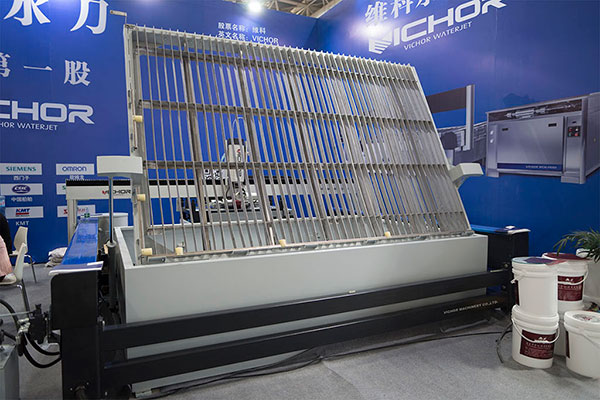
Tables range from small 2×2 foot units to massive 10×20 foot systems. Consider your typical part dimensions and floor space. Dual-head machines can double output but cost more. Ensure the table size matches your current and future needs.
Operating Costs
Hydrojet cutting consumes water, electricity, and abrasive. Garnet is a recurring expense. Some machines include abrasive recycling systems to reduce waste. Calculate the estimated cost per hour before making a decision.
7. Why Choose VICHOR for Your Hydrojet Cutter Needs
VICHOR is a leading manufacturer of waterjet cutting solutions. Their hydrojet cutter models combine robust construction with advanced CNC controls. Each machine is designed for precision and longevity. VICHOR offers a range of table sizes and pressure options to fit various budgets. They also provide comprehensive training and after-sales support. Choosing VICHOR means investing in a machine that will perform reliably for years.
8. Hydrojet Cutter Maintenance Tips
Proper upkeep ensures your hydrojet cutter operates efficiently. Follow these guidelines:
- Inspect seals and high-pressure tubing weekly for leaks.
- Replace orifice and mixing tube according to manufacturer recommendations.
- Clean the abrasive hopper and delivery lines to prevent clogs.
- Monitor pump oil levels and change filters regularly.
- Check the water quality; use softened water if necessary to reduce scale.
Regular maintenance reduces downtime and extends the life of your hydrojet cutter.
Frequently Asked Questions
Q1: What is the difference between a hydrojet cutter and a waterjet cutter?
A1: The terms are often used interchangeably. “Hydrojet” emphasizes the use of water, while “waterjet” is the more common industry term. Both refer to machines that use high-pressure water for cutting. A hydrojet cutter can be pure water or abrasive-assisted.
Q2: How thick of metal can a hydrojet cutter handle?
A2: Most industrial models cut metal up to 6 inches thick. Specialized machines can go up to 12 inches, though cutting speed decreases with thickness. When evaluating a hydrojet cutter, check the manufacturer’s specifications for your target materials.
Q3: What are the typical operating costs for a hydrojet cutter?
A3: Costs vary based on abrasive consumption, electricity rates, and maintenance. Expect $15 to $30 per hour for most operations. Abrasive is the largest variable cost. Machines with recycling systems can lower this expense.
Q4: Can a hydrojet cutter cut hardened steel?
A4: Yes, with the addition of abrasive garnet. The hydrojet cutter can slice through hardened tool steel, armor plate, and other tough alloys without affecting their hardness. The cold cutting process preserves the material’s properties.
Q5: Is a hydrojet cutter difficult to operate?
A5: Modern CNC controls make operation straightforward. Most operators learn the basics within a few days. Advanced features like dynamic head control may require additional training. Manufacturers like VICHOR offer training as part of their package.
Q6: What safety precautions are needed for a hydrojet cutter?
A6: Operators should wear protective gear, including eye and ear protection. The machine should have emergency stops and light curtains. High-pressure systems require regular inspection of hoses and fittings. Proper training reduces the risk of injury.
Q7: How long does a hydrojet cutter last?
A7: With proper maintenance, a hydrojet cutter can operate for 15 to 20 years. Key components like pumps and cutting heads may need rebuilding or replacement after several thousand hours. Buying from a reputable brand ensures parts availability.
In summary, a hydrojet cutter offers unparalleled versatility and precision for cutting a wide range of materials. Whether you work with metals, composites, or stone, this technology delivers clean edges without heat distortion. When searching for a hydrojet cutter, consider factors like pump type, table size, and operating costs. Brands like VICHOR provide reliable machines backed by strong support. With the right equipment, your shop can take on complex projects and satisfy demanding customers. A well-chosen hydrojet cutter becomes a cornerstone of your manufacturing capabilities.