
Hydro Abrasive Cutting Technology: Precision Industrial Solutions and Applications
Precision is the primary requirement for modern manufacturing. hydro abrasive cutting has emerged as a reliable method for processing a vast range of materials without the risks associated with heat. By combining high-pressure water with specialized abrasive particles, this technology allows for clean, accurate cuts through even the toughest substances.
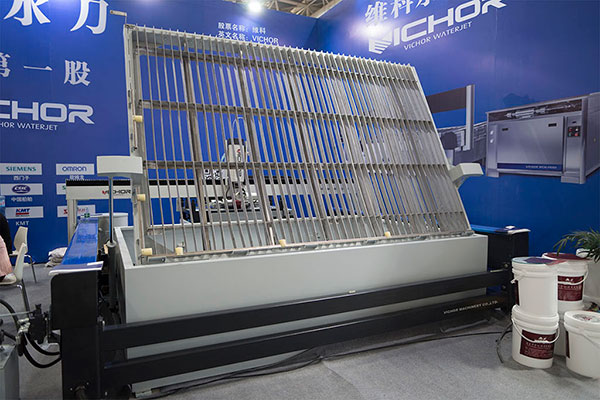
Many industrial leaders, such as VICHOR, provide specialized equipment designed to handle these demanding tasks. These systems focus on stability and repeatability, ensuring that large-scale production runs maintain consistent quality. The ability to cut through thick metals and stones makes this process indispensable for heavy industries.
The flexibility of a hydro abrasive cutting system enables it to handle projects that would be impossible for lasers or plasma cutters. Since there is no thermal distortion, the structural integrity of the material remains intact. This benefit is crucial for sectors like aerospace and medical device manufacturing.
The Mechanics Behind Hydro Abrasive Cutting
The fundamental principle of this technology involves a high-velocity stream of water. An intensifier pump or a direct-drive pump generates pressure that can exceed 60,000 PSI. This pressurized water is forced through a tiny jewel orifice, creating a supersonic jet of fluid.
In hydro abrasive cutting, an abrasive material, typically garnet sand, is introduced into a mixing chamber within the cutting head. The vacuum created by the water stream pulls the abrasive in, where it mixes with the water before exiting through a tungsten carbide nozzle. This mixture performs the actual erosion of the material.
The Importance of Abrasive Quality
The type and size of the abrasive used directly impact the speed and quality of the cut. Garnet is the most common choice because of its hardness and consistent grain size. Fine abrasives are used for detailed work, while coarser grains are preferred for rapid material removal.
- Garnet grains must be sharp to ensure efficient erosion.
- Consistency in mesh size prevents nozzle clogs and uneven cuts.
- Hardness ratings of the abrasive determine its ability to cut through hardened steel.
Nozzle Dynamics and Precision
The mixing tube is a critical component in the hydro abrasive cutting process. It must be perfectly aligned with the waterjet stream to prevent premature wear. VICHOR utilizes advanced materials for these tubes to extend their operational lifespan and maintain accuracy.
As the abrasive mixture travels through the tube, it focuses into a coherent beam. The distance between the nozzle and the workpiece, known as stand-off distance, must be carefully controlled. Too much distance leads to a wider kerf and reduced precision, while too little can damage the nozzle.
Primary Advantages of Using Hydro Abrasive Cutting
One of the most significant benefits is the lack of a heat-affected zone (HAZ). Unlike thermal cutting methods, hydro abrasive cutting does not alter the molecular structure of the material. This is essential when working with sensitive metals like titanium or heat-treated alloys.
Precision and versatility are also key drivers for adoption. A single VICHOR machine can cut through rubber, aluminum, granite, and bulletproof glass with only minor adjustments to the settings. This versatility reduces the need for multiple specialized machines in a shop.
Superior Edge Quality
The edge quality produced by hydro abrasive cutting is often smooth enough to skip secondary finishing processes. Industries can choose between different finish levels, from rough separation cuts to satin-smooth finishes. This flexibility allows for better cost management depending on project requirements.
- Level 1: Fast, rough cutting for basic shapes.
- Level 3: Standard industrial finish with minimal striations.
- Level 5: High-precision finish with no visible tool marks.
Environmentally Friendly Operation
Modern factories are under pressure to reduce their environmental footprint. hydro abrasive cutting is a green technology because it does not produce toxic fumes or smoke. The abrasive garnet is a natural mineral, and the water can be filtered and recycled.
Waste management is also simpler compared to chemical or thermal processes. The spent abrasive and material chips can often be disposed of easily or even repurposed for construction materials. VICHOR designs its systems with efficiency in mind to minimize resource consumption during operation.
Materials Compatible with Hydro Abrasive Cutting
There are very few materials that cannot be processed using this method. The erosive power of the hydro abrasive cutting stream can penetrate thick industrial materials that would stop other machines. This makes it a go-to solution for heavy fabrication.
Metals such as stainless steel, copper, and brass are commonly processed. These materials are often reflective or highly conductive, which makes them difficult for lasers to handle. Waterjets have no such limitations, cutting through them with consistent speed and accuracy.
Processing Stone and Glass
The stone industry relies heavily on VICHOR equipment for creating custom countertops, floor inlays, and architectural details. Marble and granite can be cut into intricate patterns without the risk of cracking or chipping that comes with mechanical saws.
- Architectural glass can be cut for windows and mirrors.
- Ceramic tiles can be shaped for complex mosaics.
- Laminated materials are processed without delamination.
Composites and Plastics
Composite materials, such as carbon fiber reinforced polymers (CFRP), are notoriously difficult to machine. Traditional tools often cause fraying or heat damage to the resin. hydro abrasive cutting provides a clean edge through the entire thickness without damaging the fibers.
For plastics, the cold-cutting nature of the process prevents melting or warping. This is especially important for thick acrylics used in signage or protective barriers. The high-speed water jet ensures that the edges remain clear and free of thermal discoloration.
Key Components of a VICHOR Hydro Abrasive Cutting System
A reliable machine is built on high-performance components. Every hydro abrasive cutting unit consists of several subsystems that must work in harmony. From the high-pressure pump to the CNC control software, each part plays a vital role.
The pump is the heart of the system. VICHOR offers both intensifier and direct-drive options to suit different operational needs. Intensifier pumps are known for their high-pressure capabilities and ease of maintenance, making them a staple in heavy industrial environments.
The CNC Motion System
Accuracy is achieved through a robust CNC gantry system. This hardware moves the cutting head along the X, Y, and Z axes with extreme precision. The frame must be rigid to withstand the vibrations and forces generated by the high-pressure stream during hydro abrasive cutting.
- Precision ball screws ensure smooth and repeatable movement.
- Servo motors provide the torque necessary for high-speed positioning.
- Linear guides are protected from water and abrasive dust.
Abrasive Delivery and Removal
A continuous supply of garnet is necessary for uninterrupted production. Automated abrasive delivery systems maintain a constant flow to the cutting head. Once the cutting is complete, the spent abrasive settles in the water tank. VICHOR provides automated removal systems that extract the sludge, keeping the tank clean.
This automation reduces manual labor and prevents downtime. Efficient management of the abrasive is one of the most effective ways to lower the operational costs of hydro abrasive cutting. It ensures the machine stays in production for longer periods between cleanings.
Comparing Hydro Abrasive Cutting to Other Technologies
When choosing a fabrication method, businesses must weigh the pros and cons of different technologies. While laser cutting is very fast for thin sheet metal, hydro abrasive cutting excels when material thickness increases or when heat sensitivity is an issue.
Plasma cutting is another alternative, often used for thick steel. However, plasma is much less precise and leaves a significant heat-affected zone. For parts that require tight tolerances and high-quality edges, VICHOR waterjet systems are the superior choice.
Waterjet vs. Laser Cutting
Laser systems use a concentrated beam of light to melt material. This works well for thin, non-reflective metals. However, lasers can struggle with copper, brass, and very thick plates. A hydro abrasive cutting system handles these with no issues and provides a square edge that lasers often cannot match on thicker materials.
- No risk of fire or explosive hazards during the process.
- Ability to cut materials that are flammable or heat-sensitive.
- Lower initial setup costs for thick material applications.
Precision and Accuracy Levels
Modern CNC controls allow hydro abrasive cutting to achieve tolerances as tight as +/- 0.003 inches. While some milling machines might be more accurate, the waterjet provides a unique combination of speed and versatility. It is often used to “near-net shape” parts that are then finished on a CNC mill.
By using VICHOR technology, manufacturers can significantly reduce the workload on their expensive milling centers. Cutting the profile on a waterjet is often faster and cheaper than traditional machining for thick plates and complex shapes.
Operational Maintenance for Longevity
To keep a hydro abrasive cutting system running efficiently, a proactive maintenance schedule is required. The high pressures involved put significant stress on seals, valves, and nozzles. Regular inspection of these components prevents unexpected failures during production.
Water quality is a major factor in the lifespan of the machine. Hard water can cause mineral buildup in the intensifier and high-pressure lines. VICHOR recommends using water softeners or filtration systems to protect the pump and extend the interval between seal replacements.
Consumable Management
Orifices and mixing tubes are the most common consumables. The abrasive garnet eventually wears down the tungsten carbide tube, causing the stream to lose its focus. Operators must monitor the cut quality and replace these parts before the precision drops below acceptable levels.
- Keep a stock of spare orifices and mixing tubes on hand.
- Check hydraulic oil levels and quality regularly.
- Lubricate the CNC gantry rails to ensure smooth motion.
Optimizing the Cutting Process
Efficiency in hydro abrasive cutting is also about how the machine is programmed. Using advanced nesting software can save thousands of dollars in material costs annually. Proper lead-in and lead-out strategies prevent gouging and ensure clean entries into the material.
Training for operators is another essential aspect. A skilled operator can identify the early signs of nozzle wear just by listening to the sound of the cut. VICHOR provides support and resources to help users get the most out of their equipment, ensuring long-term profitability.
The Future of Hydro Abrasive Cutting
As materials science advances, the demand for cold-cutting technologies will continue to grow. New composites and high-strength alloys require the unique capabilities that only hydro abrasive cutting can provide. Improvements in pump efficiency are also making the process more cost-effective for smaller shops.
Automation and software integration are the next frontiers. Machines are becoming “smarter,” with sensors that can detect malfunctions before they occur. VICHOR is at the forefront of this evolution, developing systems that are easier to operate and more efficient than ever before.
Integration with Industry 4.0
Modern hydro abrasive cutting systems are being connected to factory networks. This allows managers to monitor production in real-time and track material usage accurately. Data-driven insights help in optimizing maintenance schedules and reducing downtime.
- Remote diagnostics allow for faster troubleshooting by technicians.
- Predictive maintenance reduces the risk of major component failures.
- Improved user interfaces make machine programming more intuitive.
In summary, hydro abrasive cutting remains a cornerstone of industrial manufacturing. Its ability to process any material without heat distortion provides a level of flexibility that other technologies cannot match. By choosing a high-quality system from VICHOR, businesses can ensure they are equipped to handle the most challenging fabrication tasks with precision and efficiency.
Frequently Asked Questions
Q1: How thick of a material can a hydro abrasive cutting machine handle?
A1: These machines can effectively cut through materials up to 8-10 inches thick, depending on the material type and pump pressure. For stone and metal, 2-6 inches is common for standard industrial applications with high accuracy.
Q2: Is the process of hydro abrasive cutting safe for the operator?
A2: Yes, it is very safe when proper protocols are followed. The machine is often operated with the cutting head underwater to reduce noise and spray. Emergency stop sensors and protective barriers are standard features on VICHOR systems.
Q3: What is the average lifespan of a tungsten carbide mixing tube?
A3: A typical mixing tube lasts between 40 and 100 hours of actual cutting time. This depends on the abrasive quality, water pressure, and the specific material being cut. Regularly rotating the tube can help ensure even wear and extend its life.
Q4: Can this technology cut laminated or layered materials?
A4: Absolutely. hydro abrasive cutting is excellent for laminates because it does not use heat, which would normally cause the layers to separate or melt. It provides a clean, unified edge across all layers.
Q5: How much water does a waterjet machine use?
A5: Usage typically ranges from 0.5 to 1.5 gallons per minute, depending on the nozzle size and pressure. Many VICHOR machines can be paired with water recycling systems to significantly reduce total water consumption.
Q6: What makes garnet the preferred abrasive for this process?
A6: Garnet is chemically inert, semi-precious, and has a high hardness level. Its ability to fracture into sharp edges during the mixing process makes it incredibly efficient at eroding tough materials during hydro abrasive cutting.