How to Choose the Right Water Jet Cutter Manufacturers for Your Shop
Investing in a waterjet cutting system is a major decision. The machine at the heart of your operation will define your capabilities, output quality, and long-term profitability. This makes choosing among the many water jet cutter manufacturers a critical first step. The right partner provides more than just hardware; they deliver reliability, precision, and support that grows with your business. The wrong choice can lead to endless downtime, inconsistent cuts, and hidden costs. This guide walks through the key factors to consider when evaluating water jet cutter manufacturers, helping you make an informed decision for your specific needs.
Understanding the Landscape of Water Jet Cutter Manufacturers
The market isn’t monolithic. Water jet cutter manufacturers generally fall into a few categories, each with different strengths.
At one end are the large, global corporations that offer waterjets as part of a broad portfolio of machine tools. They provide brand recognition and extensive sales networks.
Then, there are the specialized, technology-focused manufacturers. Companies like VICHOR fall into this category. They dedicate their engineering entirely to waterjet cutting, often pushing innovation in pump technology, motion control, and cutting head design.
Finally, there are system integrators and regional assemblers who may build tables around third-party pumps and components. Understanding where a manufacturer fits helps set expectations for product focus and support depth.
Core Technology: The Pump and Motion System
A manufacturer’s technological philosophy is revealed in their core components. The high-pressure pump is the heart. Ask about intensifier vs. direct drive technology, maximum pressure (like 60,000, 90,000, or 94,000 PSI), and reliability metrics.
Equally important is the motion system—the gantry or robot that moves the cutting head. Look for robust construction, precision linear guides, and high-quality drive systems. The best water jet cutter manufacturers, including VICHOR, design and build these key subsystems in-house for seamless integration and performance control.
This vertical integration often translates to better cut quality, easier troubleshooting, and more direct technical support.
Machine Types and Configurations Offered
Your application dictates the machine type. Reputable water jet cutter manufacturers will offer a range. Standard 2-axis gantry systems are workhorses for flat sheet cutting.
3-axis or 5-axis cutting heads are for beveling and taper compensation, essential for precision welding preparation. For cutting 3D formed parts, robotic waterjet systems are needed.
Some manufacturers also offer specialized models for industries like stone fabrication or aerospace composites. A manufacturer with a broader portfolio can offer a more unbiased recommendation for your specific use case.
Software and Control: The Operator’s Interface
The control software is how your team interacts with the machine daily. When evaluating water jet cutter manufacturers, insist on a live software demo. The interface should be intuitive for day-to-day operation.
Look for features like automatic nesting to save material, robust CAD/CAM file import, and intelligent cutting parameter libraries. Advanced software will include dynamic waterjet control for cutting corners sharply and taper compensation for perfect edge quality.
Good manufacturers provide comprehensive training on their software, as it is a critical component of productivity.
Price Considerations and Total Cost of Ownership
Price is always a factor, but it’s crucial to look beyond the initial quote. The purchase price from different water jet cutter manufacturers can vary widely based on build quality, pump power, and included features.
However, the Total Cost of Ownership (TCO) is what truly matters. This includes:
Consumables Cost: Orifices, mixing tubes, and abrasive.
Energy and Water Usage: Pump efficiency varies.
Maintenance and Downtime Costs: A more reliable machine has lower hidden costs.
Part Life: Longer-lasting components reduce long-term expenses.
A slightly higher initial investment in a durable, efficient system from a maker like VICHOR often results in a lower TCO over 5-10 years.
The Critical Role of Service and Technical Support
Even the best machine will need service. The support infrastructure of water jet cutter manufacturers is arguably as important as the machine itself. You need clear answers to these questions:
Is there a local, factory-trained service engineer? What are the guaranteed response times? Is there 24/7 phone support? Are spare parts readily available in your region?
A manufacturer with a global, dedicated support network ensures that help is available when you need it, minimizing costly production stops. This deep support is a hallmark of established players like VICHOR.
Making the Final Decision: Steps to Take
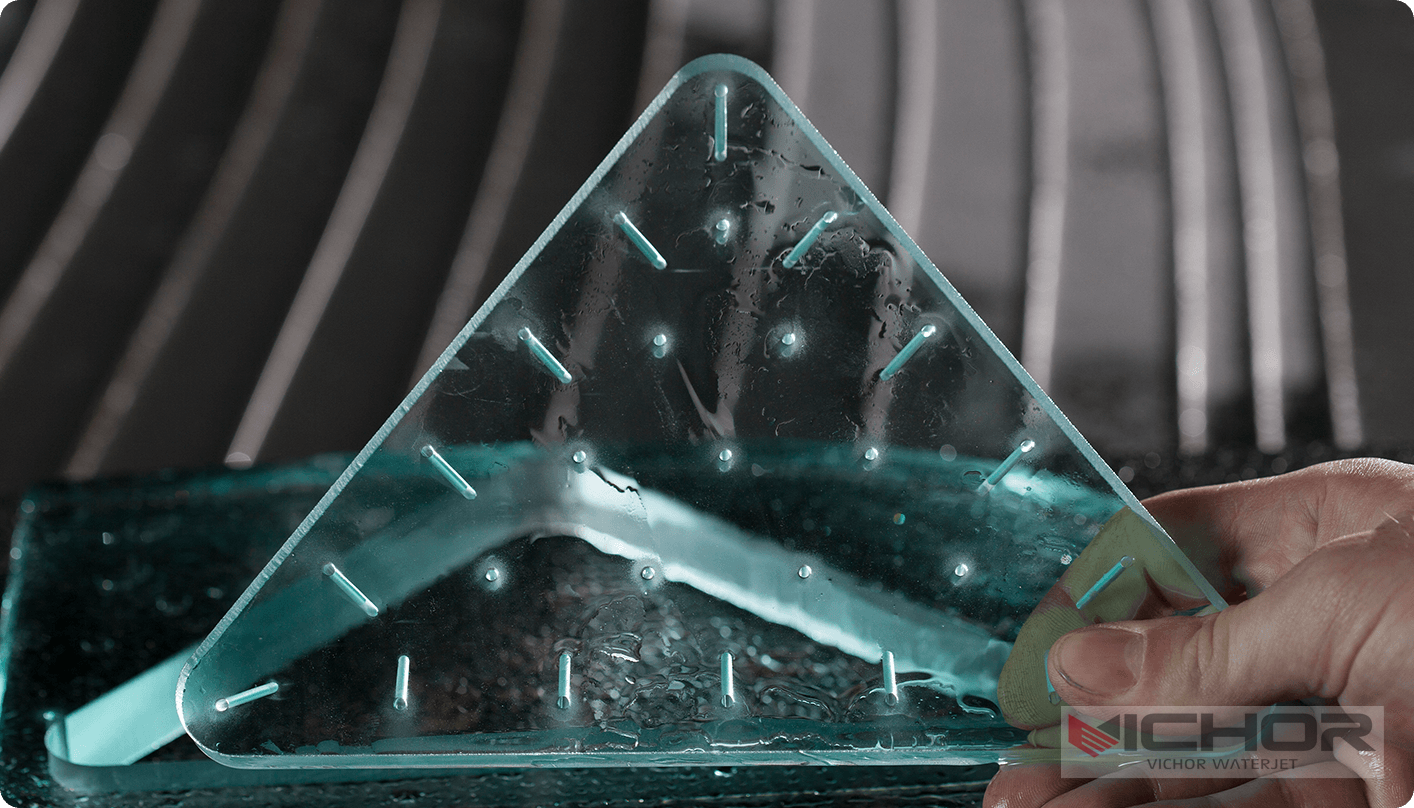
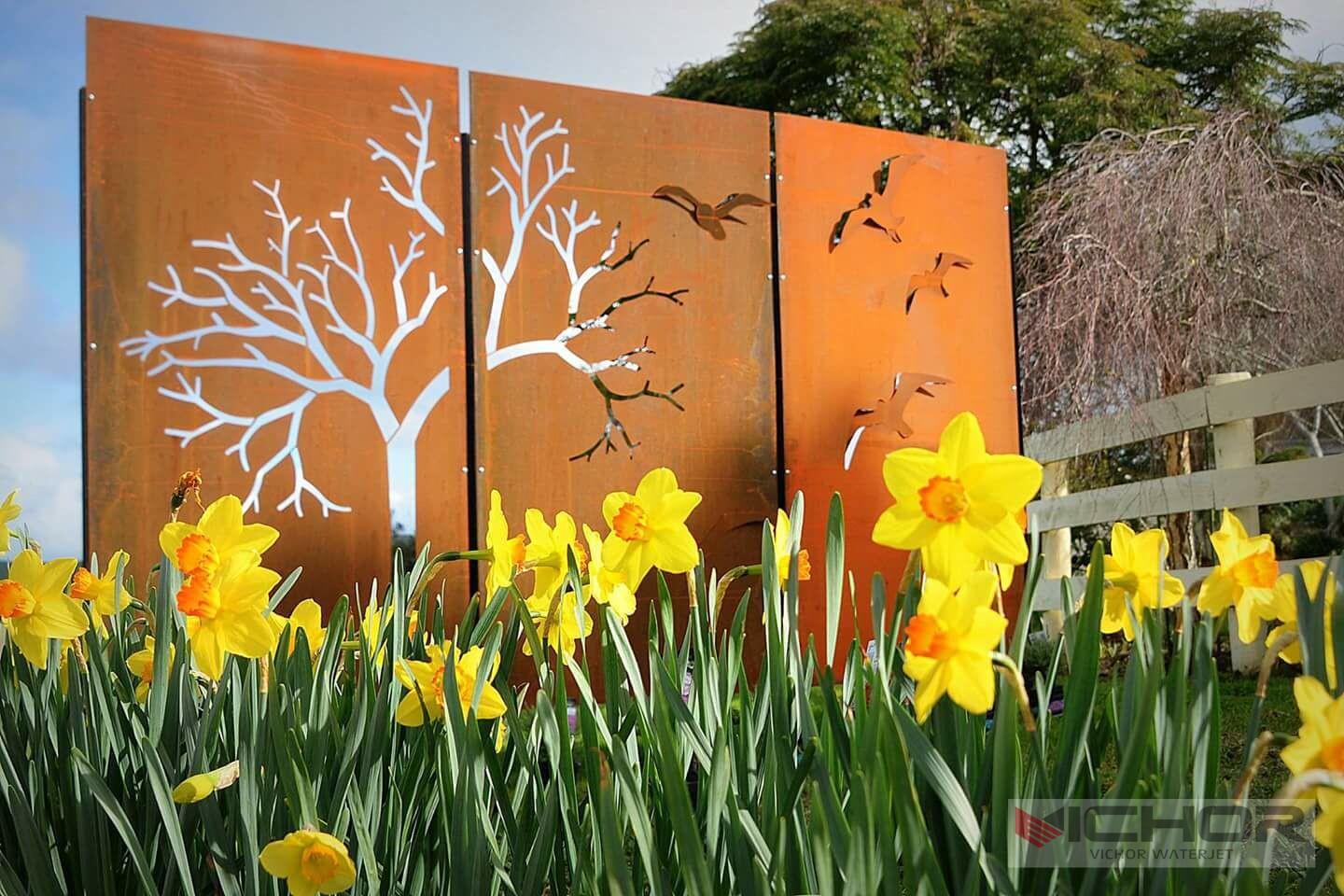
After narrowing down the field, take these concrete steps. First, request a cutting sample. Send your actual material (type and thickness) to the shortlisted water jet cutter manufacturers and have them cut a sample part. Compare edge quality, taper, and accuracy.
Second, visit their factory or a local showroom if possible. Seeing the build quality and meeting the engineering team is invaluable.
Finally, ask for and contact customer references, specifically those in a similar industry to yours. Ask about machine performance, reliability, and the quality of the support they receive. Real-world feedback is the best indicator.
Choosing among water jet cutter manufacturers is a strategic partnership decision. It balances technology, cost, and long-term support. By focusing on core engineering, total cost of ownership, and the strength of the service network, you can select a manufacturer that will be a true asset to your business for years to come. A partner like VICHOR, committed to technological depth and global customer success, represents the kind of collaboration that drives manufacturing forward.
Frequently Asked Questions (FAQ)
Q1: What is the main difference between major-brand and budget water jet cutter manufacturers?
A1: Major brands and specialists like VICHOR typically invest heavily in proprietary R&D, in-house manufacturing of core components (pumps, controls), and build a global service network. Budget manufacturers often assemble systems using more generic, outsourced components. The difference shows in long-term reliability, cut consistency, precision, and access to expert support.
Q2: How important is it that the manufacturer builds their own pump?
A2: It is very important. A manufacturer that designs and builds their own pump (like VICHOR does) has complete control over its performance, reliability, and efficiency. It also means service and parts come from a single source, and their engineers have deep expertise in the entire cutting system, leading to better integration and troubleshooting.
Q3: Should I buy from a local dealer or directly from the manufacturer?
A3: This depends on the manufacturer’s model. A strong local dealer provides hands-on support and quick response. A direct factory branch offers deep technical knowledge and direct access to engineering. The key is the quality and availability of support behind the salesperson. Ensure the entity responsible for service has the proper training and parts inventory.
Q4: What certifications should I look for in water jet cutter manufacturers?
A4: Look for international safety and quality standards. Key certifications include CE (for Europe) and ISO 9001 for quality management systems. These indicate a structured manufacturing process. For specific industries like aerospace, some manufacturers may have additional compliance certifications for their processes.
Q5: Can manufacturers provide automation integration solutions?
A5: Leading water jet cutter manufacturers certainly can. This includes integration with automatic abrasive delivery systems, material loading/unloading robots, and conveyor systems. If you plan for a lights-out production cell, discuss this early in the process. A manufacturer with experience in automation, like VICHOR, can provide a more cohesive and supported solution.