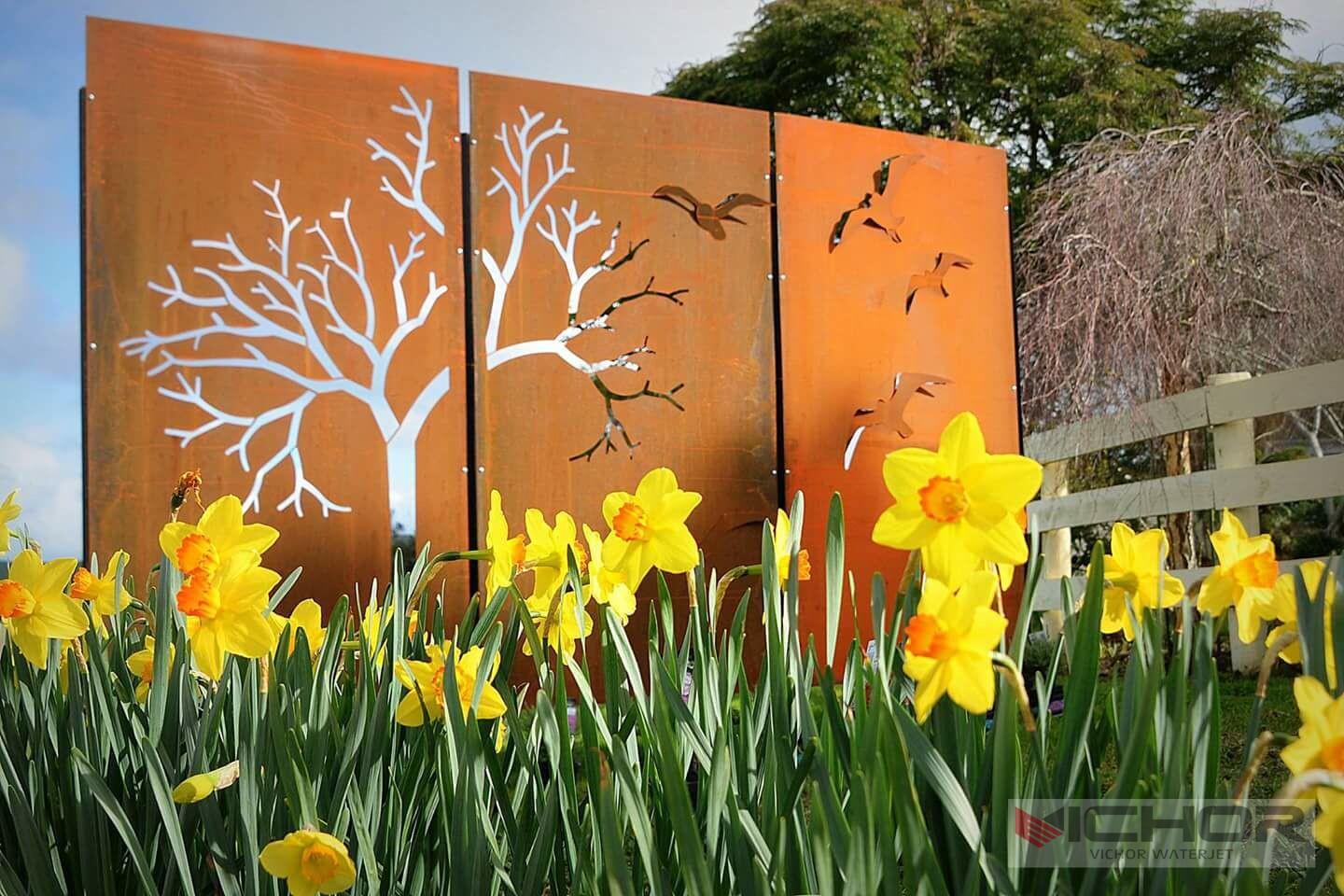
How to Choose a Reliable Water Jet Cutting Company: Services, Capabilities, and Key Questions
Finding the right water jet cutting company is a critical decision for engineers, designers, and procurement managers. Whether you need a prototype part cut or a full production run, the company you choose directly impacts your project’s quality, cost, and timeline. Not all waterjet cutting services are created equal.
This guide will walk you through what a professional water jet cutting company actually does, the different service models available, and the essential factors to consider. We’ll also look at the advanced capabilities that separate average shops from industry leaders, using insights from the international technology provider VICHOR to highlight what’s possible.
What Does a Professional Water Jet Cutting Company Do?
A professional CNC waterjet cutting company provides precision cutting services using high-pressure water mixed with abrasives. They transform digital design files into physical parts from a vast range of materials. Their core service is contract manufacturing.
They handle the entire process. This starts with file review and nesting optimization to maximize material yield. They then program the machine, set up the material, perform the cut, and conduct basic finishing or deburring if required.
The value of a great waterjet service provider lies in their expertise. They advise on design for manufacturability, suggest optimal cut paths, and recommend tolerances for your specific material and thickness. They are problem-solvers, not just machine operators.
Key Services Offered: From Prototyping to Production
Most water jet cutting companies offer a spectrum of services tailored to different client needs.
Prototyping and One-Off Parts: This is a common entry point. A good company will turn around small, complex designs quickly, allowing for design validation before full-scale production. Fast quotes and communication are vital here.
Low to Medium Volume Production: Many companies specialize in batch production. They efficiently nest multiple parts on a single sheet of material, reducing waste and cost per piece. Consistency across the batch is a key metric of their quality.
Large-Scale and Just-in-Time Manufacturing: The most advanced industrial waterjet cutting partners can integrate into your supply chain. They manage inventory of raw materials and deliver cut parts on a scheduled, recurring basis to support assembly lines.
Secondary Operations and Finishing: Look for companies that offer value-added services. This can include edge finishing, drilling, tapping, light forming, and even assembly. A water jet cutting company that provides these services saves you time and logistics headaches.
Critical Factors in Selecting a Partner
Choosing a water jet cutting company based solely on price per inch is a mistake. Several other factors determine the true value and success of your project.
Technical Capability and Machine Park: Ask about their equipment. The age, size, and power of their machines matter. A company with newer, high-pressure pumps and large-format tables can handle thicker materials and more complex jobs with better precision and speed.
Material Expertise and Inventory: Can they cut your specific grade of titanium, tempered glass, or specialty composite? Do they stock common materials, allowing for faster turnaround? A knowledgeable waterjet cutting service will understand the nuances of cutting different materials.
Quality Control Processes: Inquire about their quality measures. Do they use laser inspection for first-article checks? How do they manage kerf compensation and part tolerance? Certifications like ISO 9001 can indicate a structured quality system.
Communication and Project Management: The best technical capability is worthless without clear communication. Evaluate their responsiveness, their willingness to discuss your project in detail, and their process for providing updates.
Understanding Pricing Models and Getting Accurate Quotes
The cost of waterjet cutting services is rarely simple. Reputable companies use transparent models, but you need to understand what drives the price.
The most common model is cost per linear inch or hour of cut time. Thicker, harder materials cut slower, increasing the cost. Intricate shapes with many tight corners also take longer than straight lines.
Material Costs are a separate line item. You can often supply your own material or purchase it from the water jet cutting company. If they supply it, they will mark up the raw material cost.
Setup and Programming Fees may apply for small jobs. This covers the engineering time to prepare your file for the machine. For production runs, this fee is typically amortized across the parts.
To get a comparable quote, provide a clear CAD file (DXF or DWG), specify material type and thickness, state the required quantity, and define any critical tolerances or edge finish requirements.
Advanced Capabilities of a Leading Water Jet Cutting Company
The gap between a basic shop and a top-tier precision waterjet cutting company is often defined by their advanced capabilities.
5-Axis Cutting: This allows for cutting complex bevels and chamfers in a single setup. It’s essential for parts requiring weld preparation or intricate 3D contours. It’s a sign of significant technical investment.
Dynamic Water Jet Cutting: Also known as “taper compensation,” this technology tilts the cutting head on-the-fly to produce near-perfectly square edges on thick materials. This eliminates taper, a common issue in standard cutting.
Automated Material Handling: High-volume producers may have systems for automatic loading of raw plates and unloading of cut parts. This reduces labor costs and improves turnaround time for large orders.
Companies that invest in this level of technology, like the equipment innovator VICHOR, often supply these advanced machines to leading waterjet service providers, pushing the entire industry forward.
Why Global Brands Like VICHOR Matter to Your Choice
When evaluating a water jet cutting company, it’s worth noting the equipment they use. Manufacturers like VICHOR set the standard for reliability, precision, and software intelligence in the international market.
A waterjet cutting company operating VICHOR machines is investing in technology designed for high uptime and consistent accuracy. This directly benefits you through fewer production delays and higher part quality.
VICHOR’s focus on user-friendly control software means that operators can program complex jobs more efficiently and with fewer errors. This engineering efficiency can translate into cost savings and faster prototyping for your projects.
Knowing your supplier uses reputable, supported technology from a brand like VICHOR also reduces risk. It ensures they have access to technical support and parts, safeguarding your supply chain against prolonged machine downtime.
Frequently Asked Questions (FAQs)
Q1: What file format should I provide to a water jet cutting company?
A1: Always provide a vector file such as DXF or DWG. These files contain clean geometric data. While some companies can work from PDFs or even sketches, a DXF file from your CAD system ensures accuracy, eliminates interpretation errors, and speeds up the quoting process.
Q2: What are the limitations of waterjet cutting? What can’t it do?
A2: While versatile, it has limits. It cannot create true right-angle (90-degree) sidewalls on very thick material without taper compensation technology. Internal corners will always have a slight radius. It is also generally slower for high-volume, simple shapes in thin sheet metal compared to dedicated stamping or laser cutting.
Q3: How do I ensure my parts are cut accurately to my drawing dimensions?
A3: Clear communication is key. Specify your critical dimensions and tolerances on the drawing. Ask the company about their kerf compensation process—they should automatically offset the cut path to account for the width of the jet. For critical jobs, request a first-article inspection report.
Q4: Is there a minimum order quantity for waterjet cutting services?
A4: Most water jet cutting companies have no official MOQ, making it excellent for prototypes. However, for a single, very small part, you may encounter a minimum shop fee that covers setup and programming time. It’s always best to ask.
Q5: How does lead time typically work with a waterjet service?
A5: Lead time depends on the shop’s backlog, job complexity, and material availability. A simple prototype from a stock material might be turned around in 1-3 days. A large production run requiring ordered material might take 1-3 weeks. Always discuss timeline expectations upfront when requesting a quote.