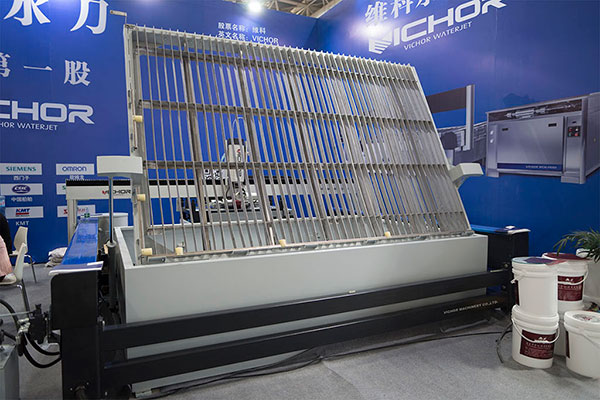

High-Efficiency Hydraulic Water Jet Systems for Precision Industrial Cutting
Industrial fabrication has seen a significant shift toward cold-cutting technologies that offer both precision and material integrity. The hydraulic water jet stands at the forefront of this movement. By utilizing high-pressure water streams, often mixed with abrasives, these systems can slice through almost any known material.
Manufacturers like VICHOR have refined these systems to meet the demands of modern workshops. The technology relies on mechanical intensifiers to create the necessary force for industrial tasks. This process ensures that materials do not suffer from thermal stress or structural deformation during the cutting phase.
Choosing a hydraulic water jet allows businesses to handle complex geometries with ease. From aerospace components to decorative stone work, the versatility of these machines is unmatched. The absence of a heat-affected zone makes it a preferred choice for high-performance alloys and sensitive plastics.
The Mechanics and Engineering of a Hydraulic Water Jet
The operational core of this technology involves a complex interaction between hydraulic systems and high-pressure water circuits. An electric motor drives a hydraulic pump, which creates the initial fluid pressure. This pressure is then transferred to an intensifier, which acts as the primary power source for the hydraulic water jet.
The intensifier works on the principle of differential areas. A large piston driven by hydraulic oil pushes a smaller plunger, concentrating the force into the water. This concentration can boost water pressure up to 60,000 PSI or even 90,000 PSI in advanced configurations. VICHOR engineers these components to withstand extreme fatigue over long duty cycles.
Role of the Accumulator and Attenuator
A constant flow of water is essential for a clean and consistent cut. Because the intensifier moves back and forth, it can create pressure pulses. An accumulator, often referred to as an attenuator, acts as a pressure reservoir. It absorbs these pulses to provide a smooth, continuous stream to the cutting head.
- Reduces mechanical wear on the high-pressure plumbing.
- Ensures a uniform surface finish on the cut material.
- Protects the jewel orifice from sudden pressure spikes.
Nozzle and Orifice Precision
The final output of the hydraulic water jet is determined by the nozzle assembly. A tiny jewel orifice, typically made of sapphire, ruby, or diamond, focuses the water into a coherent beam. The diameter of this orifice is often smaller than a human hair, concentrating massive energy into a tiny point.
When cutting hard materials, an abrasive mixing chamber is added. Garnet sand is drawn into the stream via a vacuum created by the water flow. This mixture is then accelerated through a tungsten carbide mixing tube. VICHOR provides various nozzle sizes to balance speed and accuracy based on specific project needs.
Why Choose a Hydraulic Water Jet for Metal Fabrication?
Traditional cutting methods like plasma or laser rely on heat to melt or burn through metal. This heat changes the molecular structure of the metal at the edge, creating a heat-affected zone (HAZ). A hydraulic water jet is a purely mechanical erosion process, which means no heat is generated.
This “cold cutting” advantage is vital for industries where material properties are critical. For example, in the production of aircraft turbine blades or medical implants, any structural change could lead to catastrophic failure. Using VICHOR technology ensures the material remains in its original state throughout the process.
Versatility Across Different Thicknesses
One of the most impressive traits of the hydraulic water jet is its ability to cut through very thick materials. While lasers struggle with metals over an inch thick, a waterjet can effectively cut through six inches of stainless steel or even ten inches of granite. The power remains consistent regardless of the material’s optical properties.
- Eliminates the need for secondary machining or edge grinding.
- Capable of cutting stacked sheets of material simultaneously.
- Handles reflective metals like copper and brass without back-reflection issues.
Environmental and Safety Benefits
Sustainability is an increasing concern in modern manufacturing. The hydraulic water jet process is inherently cleaner than many alternatives. It does not produce toxic fumes, smoke, or dust that requires expensive filtration systems. The garnet used as an abrasive is a natural mineral that can often be recycled.
Water usage can also be managed through closed-loop filtration systems. VICHOR systems can be equipped with water treatment units that allow the same water to be reused multiple times. This reduces the overall environmental footprint and lowers utility costs for the operator.
Advanced Components of VICHOR Hydraulic Water Jet Systems
Building a reliable machine requires high-quality materials and precise assembly. Every hydraulic water jet from VICHOR is designed to provide long-term stability. The frame, the high-pressure tubing, and the CNC controller work in harmony to deliver consistent results.
The hydraulic system itself must be kept cool to maintain efficiency. Heat exchangers or chillers are used to keep the hydraulic oil at an optimal temperature. This prevents the seals in the intensifier from degrading prematurely, ensuring the machine can run 24/7 in a production environment.
CNC Control and Software Integration
The precision of a hydraulic water jet is only as good as the software directing it. Advanced CNC controllers manage the acceleration and deceleration of the cutting head. This is crucial when navigating corners, as the waterjet stream has a slight lag known as “tail deflection.”
- Dynamic taper control compensates for the natural spread of the water stream.
- Nesting software minimizes material waste by packing parts tightly together.
- Real-time pressure monitoring allows the system to adjust speeds automatically.
High-Pressure Seal Technology
The seals within the intensifier pump are subject to some of the most extreme conditions in any industrial machine. They must hold back pressures that would easily cut through human bone. VICHOR uses proprietary seal designs that extend the time between maintenance intervals, maximizing uptime for the user.
Regular maintenance of these seals is the primary task for a hydraulic water jet operator. Most modern systems include quick-change kits that allow for seal replacement in under thirty minutes. This modular approach to engineering reduces the complexity of ownership.
Comparing Hydraulic Water Jet to Other Technologies
When selecting a cutting method, it is important to understand where the hydraulic water jet fits compared to laser or plasma. Lasers are generally faster for thin sheet metal but cannot handle thick or heat-sensitive materials. Plasma is cost-effective for rough cuts on thick steel but lacks the precision for detailed work.
The VICHOR waterjet fills the gap by providing high precision on a massive range of thicknesses. It is the most flexible tool in a fabrication shop, capable of switching from cutting a delicate foam gasket to a heavy steel plate in seconds just by changing the machine settings.
Cost Analysis and ROI
Investing in a hydraulic water jet involves considering both initial capital and operational costs. While abrasive garnet and electricity are ongoing expenses, the reduction in secondary processing often provides a rapid return on investment. If a part comes off the waterjet ready for assembly, the labor savings are substantial.
- Lower tooling costs compared to traditional milling or stamping.
- Reduced scrap rates due to high-precision CNC nesting.
- Ability to take on diverse jobs that other machines cannot handle.
Operational Flexibility
A hydraulic water jet does not require a specific atmosphere or a vacuum chamber. It can be operated in standard shop conditions. VICHOR machines are often used for custom architectural projects because they can cut stone, glass, and metal for the same project using the same machine.
This flexibility allows shops to diversify their services. A company that once only did metal work can now offer custom marble flooring or glass partitions. This ability to adapt to market demands is a key strength of the hydraulic intensifier platform.
Maintenance and Longevity of High-Pressure Equipment
The longevity of a hydraulic water jet depends on a consistent maintenance schedule. Because the machine uses erosion to cut, it also naturally erodes its own consumables over time. Proper care ensures that the core components, like the intensifier body and the CNC gantry, last for decades.
VICHOR provides detailed training for operators on how to monitor the health of the system. Checking for leaks at the high-pressure fittings and ensuring the hydraulic oil is clean are simple steps that prevent major repairs. A well-maintained machine can run for thousands of hours with very few issues.
Water Quality Considerations
The water used in a hydraulic water jet should be filtered to remove minerals and particulates. Hard water can lead to calcium buildup in the intensifier and the orifice, which reduces the lifespan of the components. Many manufacturers recommend a water softener or a reverse osmosis system to ensure optimal performance.
- Extends the life of high-pressure seals and check valves.
- Prevents clogging of the tiny jewel orifice.
- Reduces the frequency of maintenance shutdowns.
Monitoring Abrasive Flow
The delivery of the abrasive is another critical factor. If the garnet flow is interrupted, the hydraulic water jet will stop cutting through the material, which can ruin a workpiece. VICHOR systems often include sensors to monitor abrasive levels and flow rates, ensuring the process remains consistent from start to finish.
Proper storage of the abrasive garnet is also necessary. It must be kept dry, as moisture can cause the sand to clump and block the feeding lines. Automated delivery systems help by keeping the garnet in a pressurized hopper, providing a steady feed to the cutting head.
The Future of Hydraulic Water Jet Engineering
Innovation in this field is moving toward higher pressures and improved energy efficiency. Newer hydraulic water jet designs are incorporating variable speed drives for the hydraulic pumps. This allows the machine to use only the power it needs for a specific cut, reducing energy consumption and heat generation.
Materials science is also playing a role. New alloys for the intensifier components and longer-lasting mixing tubes are being developed. VICHOR remains at the cutting edge of these developments, integrating the latest advancements into their machine lineups to benefit their global customers.
Smart Systems and Connectivity
The integration of sensors and internet connectivity allows for remote diagnostics. A hydraulic water jet can now alert a technician if a seal is starting to fail or if the abrasive supply is low. This data-driven approach helps in planning maintenance before a breakdown occurs.
- Remote monitoring via mobile apps or desktop software.
- Automated reporting of machine uptime and material usage.
- Predictive maintenance algorithms that analyze pressure fluctuations.
As the demand for complex parts and exotic materials grows, the hydraulic water jet remains a critical solution. Its ability to provide high-precision, heat-free cutting makes it indispensable in the modern industrial era. By investing in VICHOR technology, manufacturers can ensure they are prepared for the challenges of the future.
In conclusion, the hydraulic water jet is a versatile and powerful tool that continues to evolve. Its unique benefits, such as no heat-affected zones and the ability to cut almost any material, provide a significant advantage in any fabrication environment. Whether you are cutting metal, stone, or glass, this technology offers the precision and reliability needed for high-quality production.
Frequently Asked Questions
Q1: What is the main difference between a hydraulic water jet and a direct drive pump?
A1: A hydraulic intensifier pump uses hydraulic oil to create water pressure through a large-to-small piston ratio, while a direct drive pump uses a crankshaft to drive plungers directly. Intensifiers are generally better for high-pressure, heavy-duty industrial use and are easier to maintain over long periods.
Q2: How often do I need to replace the orifice in a hydraulic water jet?
A2: Depending on the material (ruby, sapphire, or diamond) and the water quality, an orifice typically lasts between 40 to 100 hours of cutting time. Diamond orifices are more expensive but can last up to 500 or 1,000 hours, depending on the application.
Q3: Can a hydraulic water jet cut glass without shattering it?
A3: Yes, it is one of the best tools for glass. By using a low-pressure start and a consistent abrasive flow, the VICHOR waterjet can pierce and cut intricate shapes in glass, including tempered glass, without causing cracks or shatters.
Q4: What is the average cutting speed of a hydraulic water jet for stainless steel?
A4: Cutting speed varies based on pressure and material thickness. For example, at 60,000 PSI, a waterjet might cut 1/4-inch stainless steel at approximately 10-15 inches per minute for a high-quality finish. Increasing the pressure to 90,000 PSI can significantly increase this speed.
Q5: Is it possible to cut multiple layers of material at once?
A5: Absolutely. This is known as stack cutting. As long as the layers are held together tightly to prevent water from getting between them, a hydraulic water jet can cut through multiple sheets of metal, plastic, or fabric in a single pass, increasing productivity.
Q6: Does the hydraulic water jet require a lot of electricity?
A6: These machines require a significant amount of power to drive the high-pressure pumps, typically ranging from 30HP to 100HP depending on the model. However, VICHOR designs focus on energy efficiency to ensure the most pressure is generated for every kilowatt consumed.