
CNC Water Jet for Sale: Find the Right CNC Waterjet Cutting Machine
Many industries need precise and versatile cutting tools. A CNC water jet for sale is a popular choice. It combines waterjet technology with computer control. This guide helps you understand what to look for.
We will explain how these systems work. We will also cover their main uses and features. Information on different types and price ranges is included. This can assist in making a good purchase decision.
How a CNC Waterjet Cutter Operates
A CNC waterjet is a computer-controlled machine. It uses a high-pressure stream of water. Often, an abrasive like garnet is mixed in. This allows it to cut hard materials.
The heart of the system is its pump. It generates pressures from 40,000 to over 90,000 PSI. The CNC controller moves the cutting head. It follows a digital design file precisely. This ensures accurate and repeatable cuts.
The process does not create heat. This is a major advantage. It means no heat-affected zones on the material. Edge quality is typically very good.
Common Applications of CNC Waterjet Machines
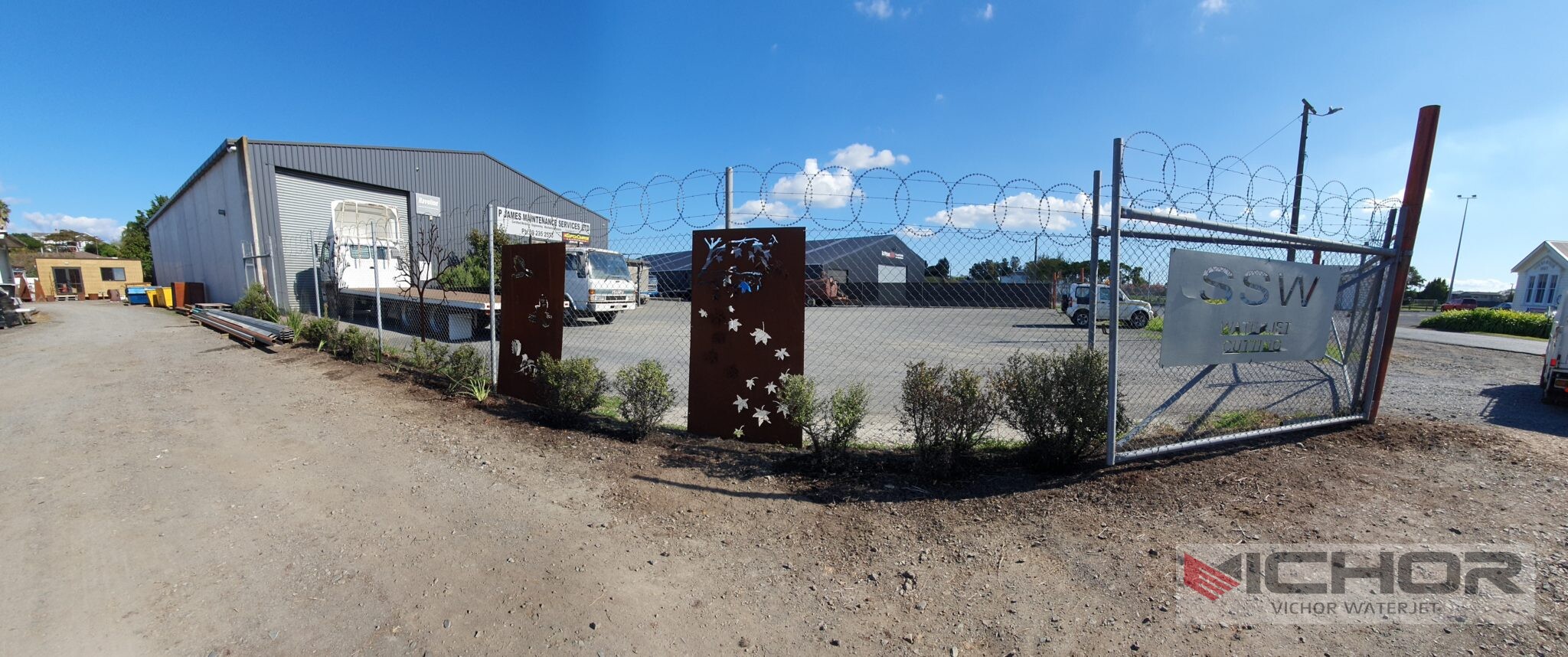
These machines are used across many sectors. Metal fabrication shops use them daily. They cut parts from steel, aluminum, and titanium. The aerospace industry relies on their precision.
Architectural firms use them for stone and tile. Automotive manufacturers cut gaskets and interior parts. A CNC water jet for sale is often found in job shops. These shops handle custom projects for various clients.
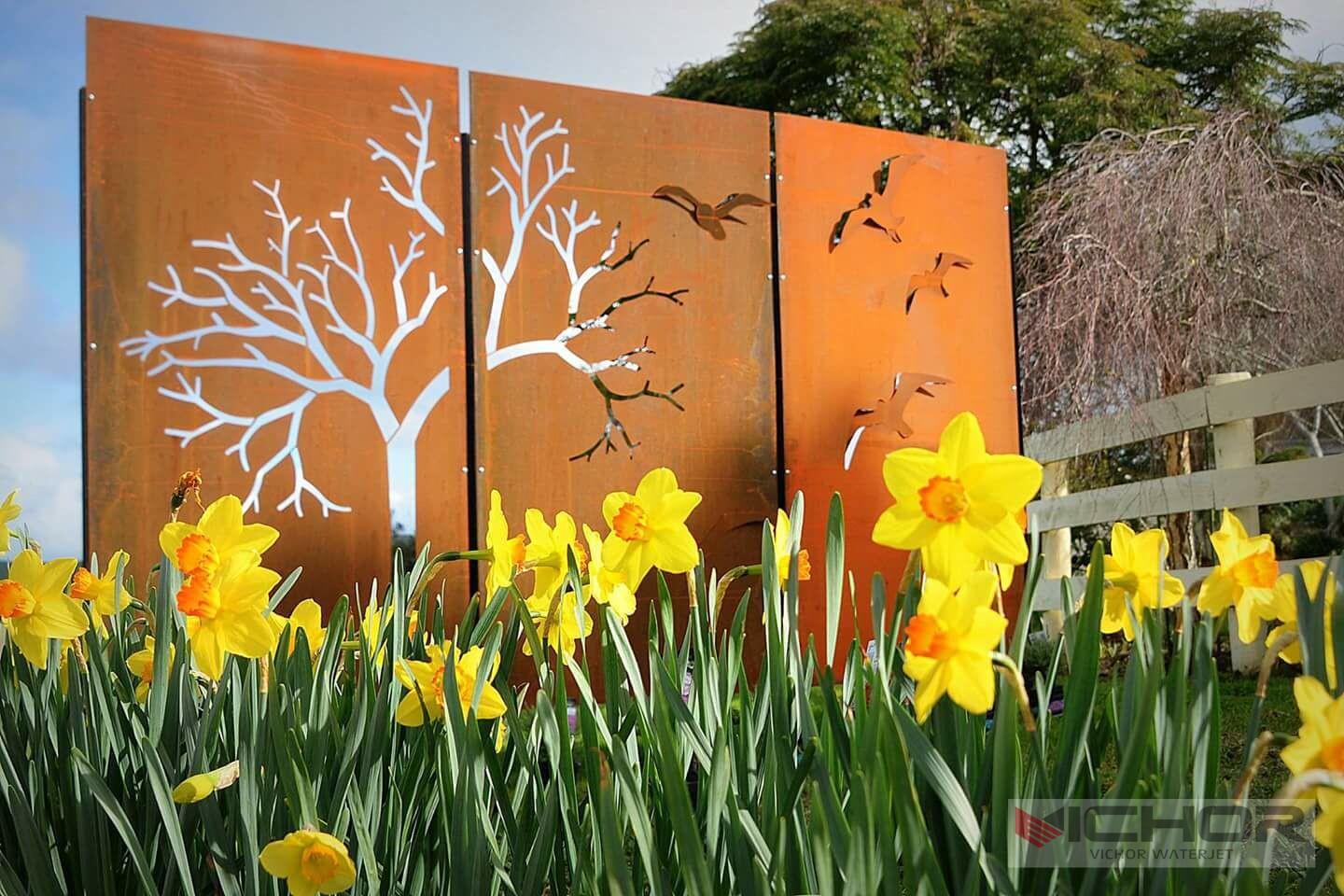
The tooling industry uses them for prototypes. Artists use them for detailed metal artwork. The range of applications is very wide.
Important Features to Consider
When looking at a CNC waterjet cutter, several features matter. The cutting table size determines your maximum part size. Pump pressure affects cutting speed and thickness capacity.
Software is critical. Look for intuitive CAD/CAM programming. A robust machine frame reduces vibration. This improves accuracy. Abrasive delivery systems should be reliable.
Modern machines often have smart features. These include automatic head height control. Some have integrated abrasive recycling systems. Considering these can improve your operation.
Types of CNC Waterjet Systems Available
There are two primary cutting methods. Pure waterjet cutting is for soft materials. Abrasive waterjet cutting is for metals and hard composites. The machine structure also varies.
Gantry systems are common for large sheets. They offer a stable cutting area. Some smaller systems use a cantilevered arm. 5-axis cutting heads are available for complex shapes.
Brands like VICHOR offer different models. They range from entry-level to advanced industrial systems. The right type depends on your production needs.
Pricing and Investment Factors
The cost of a CNC water jet for sale varies greatly. Small table systems may start around $60,000. Large, high-pressure industrial systems can exceed $300,000.
The pump is a major cost component. Higher pressure pumps cost more but cut faster. Table size and structure also influence price. Advanced CNC controls add to the cost.
Remember to factor in operating costs. Abrasive garnet is a recurring expense. Pump maintenance is important. Nozzles and seals are wear items. A machine from a supplier like VICHOR often offers a good balance of upfront cost and long-term reliability.
Service and Support for Your Investment
Good service is as important as the machine itself. Look for suppliers offering installation. Operator training is essential for safety and efficiency.
Technical support should be accessible. Ask about the warranty period and coverage. Check the availability of spare parts. A global network can be helpful for international companies.
Many providers offer maintenance plans. These plans help prevent unexpected downtime. A company with a strong reputation, like VICHOR, typically provides comprehensive support. This ensures your machine runs well for years.
Finding Solutions for Your Business
Every manufacturing challenge is different. The right waterjet cutting machine provides a solution. It can reduce secondary processing. It allows for nesting parts to save material.
For job shops, versatility is key. A reliable CNC water jet for sale can handle diverse materials. This attracts more customers.
High-production environments need speed and automation. Some systems include material handling robots. Others have software for optimal efficiency. Discussing your needs with an expert is the best approach.
Frequently Asked Questions (FAQ)
Here are answers to common questions about purchasing a CNC waterjet.
Q1: What is the main advantage of a CNC waterjet over other cutters?
A1: The main advantage is cold cutting. Unlike lasers or plasma, a CNC water jet does not generate heat. This prevents material hardening or warping. It can also cut a much wider range of materials.
Q2: How thick of material can a typical CNC waterjet cut?
A2: Cutting thickness depends on the material and pump pressure. A standard 60,000 PSI system can cut over 6 inches (150mm) of aluminum. It can cut around 4 inches (100mm) of stainless steel. Thicker cuts are possible at slower speeds.
Q3: What are the ongoing costs of running a waterjet?
A3: Key ongoing costs include abrasive garnet, water, electricity, and wear parts. High-pressure pump parts like seals and intensifiers need replacement. Nozzles and mixing tubes are consumables. Regular maintenance is also a cost factor.
Q4: Is a CNC waterjet difficult to program and operate?
A4: Modern systems are designed for ease of use. Software converts CAD drawings into cutting paths. Training from the supplier, such as VICHOR, helps operators learn quickly. Basic programming can be learned in a few days.
Q5: Can I cut different materials on the same machine without changing settings?
A5: The core machine settings like pressure remain similar. However, you must adjust the cutting speed and abrasive flow rate for each material. The CNC software stores different “recipes” for various materials. This makes switching between jobs straightforward.