All Waterjet Cutting: A Complete Guide to Technology, Types, and Applications
Waterjet cutting is a versatile and precise method used across many industries. When we talk about all waterjet cutting, we refer to the entire scope of this technology. This includes how it works, the different machines available, and its many uses.
This guide provides a clear overview. We will cover the process, key benefits, and various systems. You will also learn what to consider when choosing equipment. Companies like VICHOR offer solutions for different needs.
How All Waterjet Cutting Works
The fundamental principle is the same for most systems. A high-pressure pump pressurizes water. This water is then forced through a small nozzle. The result is a very fast, thin stream capable of cutting.
For cutting harder materials, an abrasive is added to the stream. This method is known as abrasive waterjet cutting. Understanding this process is key to grasping the value of all waterjet cutting technologies.
The Core Mechanism
The pump is the heart of the system. It creates pressure that can exceed 60,000 pounds per square inch (psi). This pressurized water travels through high-pressure tubing.
At the cutting head, the water passes through a diamond or sapphire nozzle. This focuses the stream. For abrasive cutting, garnet sand is mixed in at this stage.
Key System Components
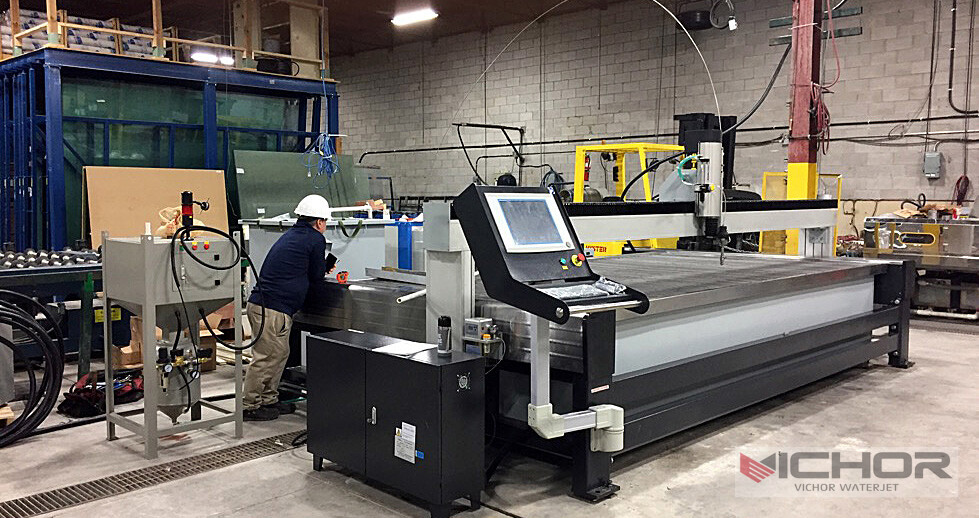
Every waterjet system consists of several main parts.
- High-Pressure Pump: Generates the necessary water pressure.
- Cutting Head: Holds the nozzle and abrasive injector.
- CNC Controller: Moves the cutting head precisely along a programmed path.
- Catcher Tank: Holds the workpiece and dissipates the water’s energy after cutting.
- Abbrasive Delivery System: Stores and feeds garnet into the cutting head.
Applications Across Industries
One major advantage of waterjet cutting is its wide range of uses. It works on many materials without altering their intrinsic properties.
Metal Fabrication
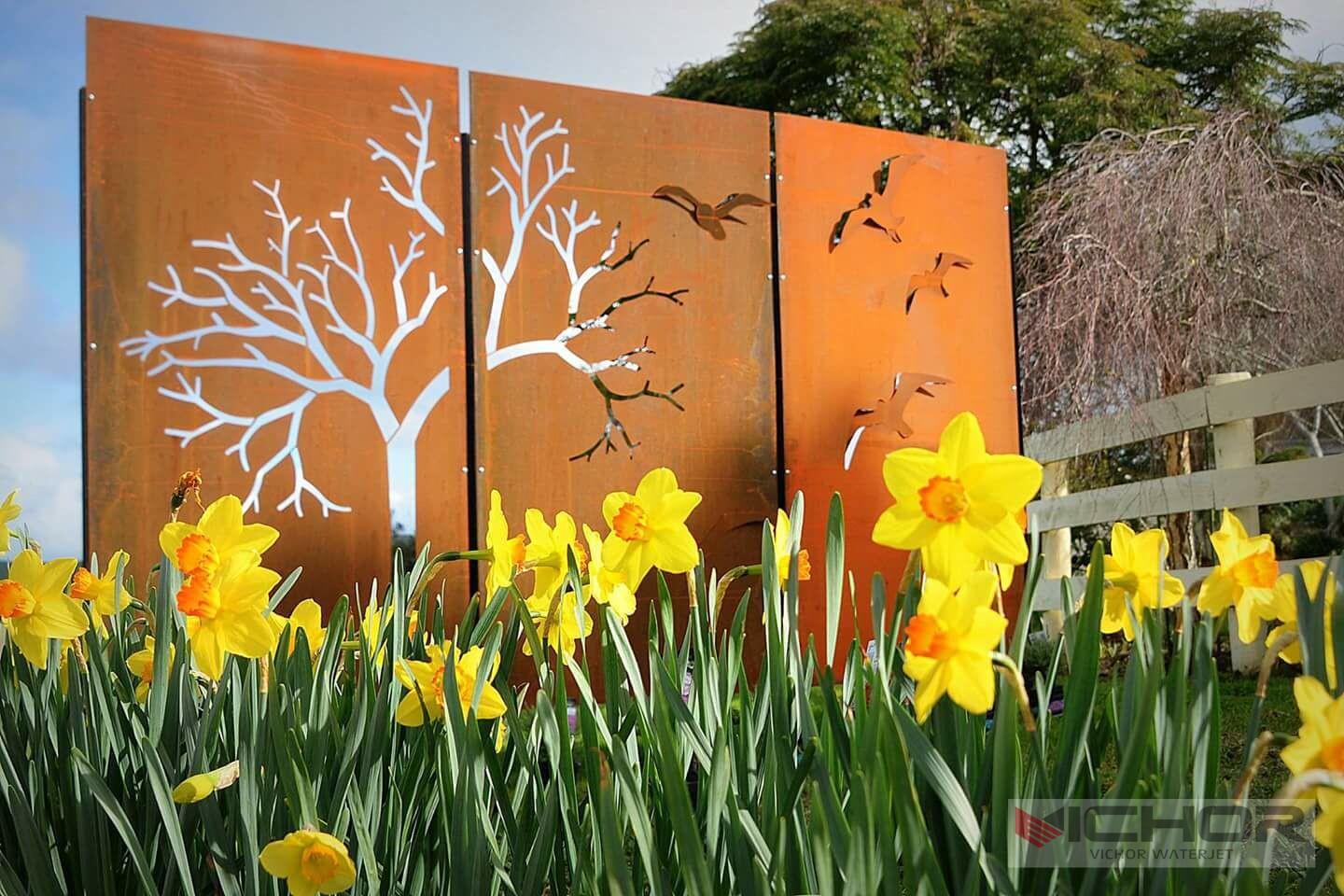
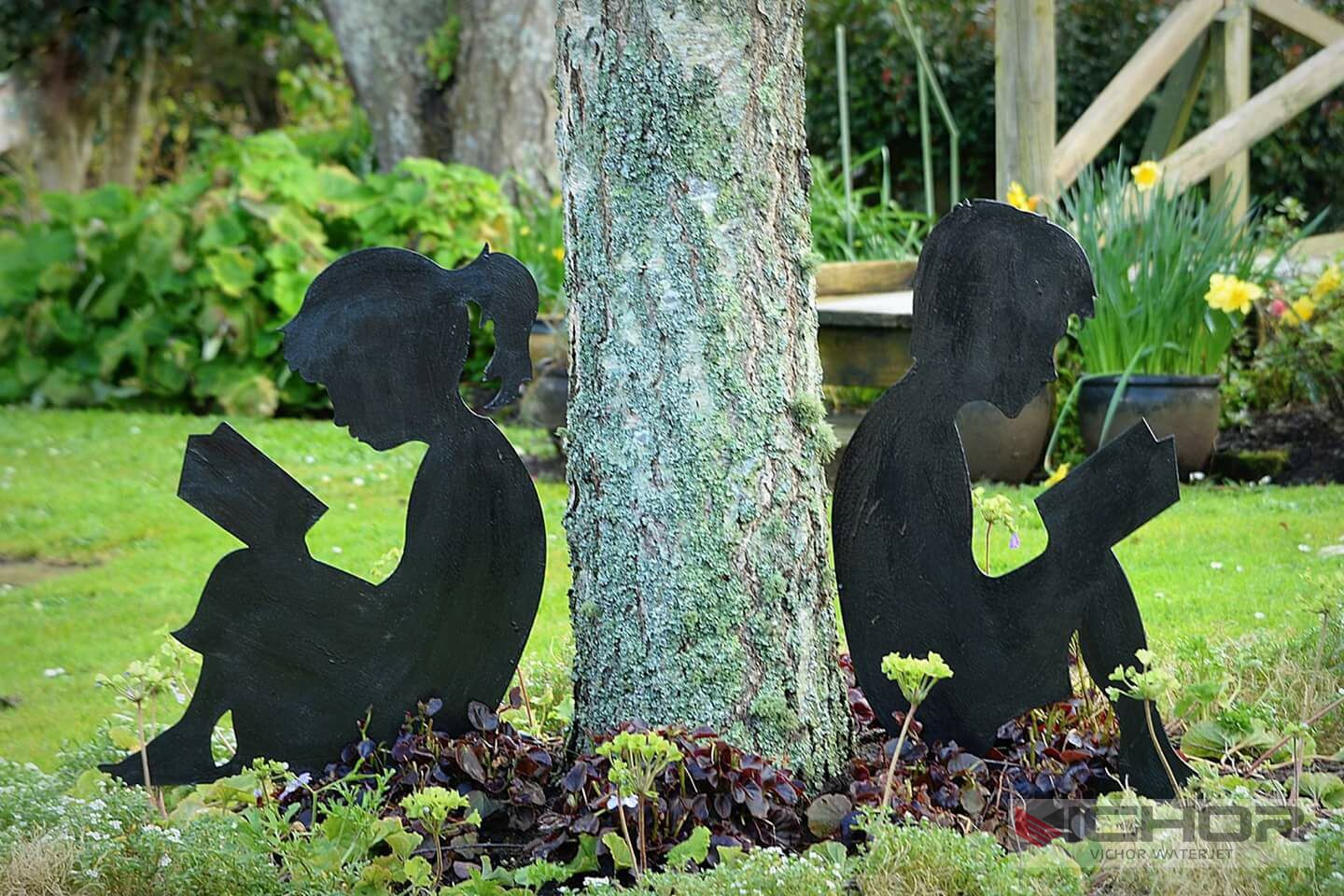
This is a common application. Waterjets cut steel, aluminum, titanium, and brass. They are used to make machine parts, architectural elements, and tools.
The cold-cutting process prevents heat distortion. This keeps the metal’s structure and strength intact.
Stone and Glass Work
Tile shops and monument makers use this technology. It cuts intricate designs in marble, granite, and glass.
- Custom kitchen countertops and backsplashes.
- Decorative glass panels and partitions.
- Precise stone tiles and mosaics.
It produces clean edges with minimal chipping.
Aerospace and Automotive
These sectors require high precision and material integrity. Waterjets cut composites, rubber, foam insulation, and metal alloys.
They are ideal for prototyping and producing lightweight components. The technology supports innovation in all waterjet cutting applications within these fields.
Types of Waterjet Cutting Machines
Not all systems are the same. They are designed for different scales and purposes.
Pure Waterjet vs. Abrasive Waterjet
Pure waterjet systems use only high-pressure water. They cut softer materials like rubber, foam, food products, and gaskets.
Abrasive waterjet systems add garnet. This allows them to cut hard materials like metal, stone, ceramics, and bulletproof glass. Many machines can perform both functions.
Machine Configurations
The size and setup of the machine vary.
- Gantry Systems: Common for large, flat sheets of material. The cutting head moves on a bridge-like structure.
- Portable/Held-held Systems: Mobile units for on-site cutting, cleaning, or demolition work.
- Robotic Arm Systems: For cutting three-dimensional shapes, like automotive parts.
Brands like VICHOR provide various configurations to meet specific workshop needs.
Benefits and Advantages
Waterjet cutting offers distinct benefits compared to laser, plasma, or mechanical cutting.
Versatility and Material Range
It can cut almost any material. This includes metals, stone, glass, plastics, and composites. There is no risk of harmful fumes from melting materials.
This makes it a truly multi-purpose tool in a workshop.
No Heat-Affected Zone (HAZ)
Since the process uses cold water, no heat is transferred to the material. This is critical for metals that can warp or change properties with heat.
It also prevents hardened edges, saving time on post-cut processing.
High Precision and Edge Quality
CNC control allows for extremely accurate cuts. Complex shapes and fine details are achievable. The cut edge is typically smooth and often requires no further finishing.
Factors Influencing Cost and Selection
Investing in waterjet technology requires careful consideration of several factors.
Machine Price Points
Costs vary based on size, pressure rating, and features. Small tabletop systems are less expensive. Large-format, high-pressure industrial systems require a significant investment.
Operational costs like abrasive garnet, water, electricity, and maintenance parts also factor into the total cost of ownership.
Key Selection Criteria
Ask these questions when choosing a system.
- What materials and thicknesses will you cut most often?
- What size of workpieces do you need to process?
- What level of precision and cutting speed is required?
- What is your available floor space and power supply?
- What service and support does the manufacturer offer?
Considering all waterjet cutting aspects ensures you select the right machine.
Services and Support for Operations
Proper support is crucial for maintaining productivity and machine lifespan.
Training and Maintenance
Operators need training on software, machine operation, and safety. Regular maintenance is vital. This includes replacing nozzles, seals, and high-pressure parts.
A good supplier provides clear manuals and training programs.
Technical and Parts Support
Quick access to technical help and genuine spare parts minimizes downtime. Manufacturers with a strong global network, like VICHOR, can offer reliable support.
This ensures your investment is protected for the long term.
Solutions for Modern Manufacturing
Waterjet technology adapts to evolving industry demands. It provides solutions for complex challenges.
Precision for Complex Parts
Industries like aerospace and medical device manufacturing need intricate components. Waterjets can produce these with high accuracy from expensive materials, minimizing waste.
Environmentally Friendly Option
The process uses water and natural garnet sand. It does not produce hazardous waste or toxic gases. Wastewater and used abrasive can often be recycled or disposed of safely.
This makes it a cleaner choice compared to some other industrial cutting methods.
Understanding all waterjet cutting provides insight into a powerful and flexible manufacturing technology. From its basic working principle to its diverse applications, it offers unique advantages.
Its ability to cut virtually any material without heat damage makes it indispensable. When selecting a system, consider your specific needs and partner with a reputable provider.
Exploring the full spectrum of all waterjet cutting options can help you find the right solution. Companies like VICHOR are equipped to guide you through this process with reliable equipment and support.
Frequently Asked Questions (FAQ)
Q1: What materials cannot be cut with a waterjet?
A1: Very few. Tempered glass and certain diamonds can shatter. Some hardened ceramics may also pose a challenge. Most common industrial materials can be cut effectively.
Q2: How thick can a waterjet cut?
A2: Thickness depends on the material and machine power. Abrasive waterjets can typically cut metals up to 6-8 inches thick and stone even thicker, though cutting speed decreases with thickness.
Q3: Is waterjet cutting accurate?
A3: Yes, it is highly accurate. Modern CNC-controlled systems can hold tolerances within ±0.003 inches (±0.076 mm) or better, depending on the machine and material.
Q4: What is the running cost of a waterjet cutter?
A4: Major running costs include abrasive garnet (for abrasive cutting), electricity for the pump, replacement nozzles and seals, and water filtration. Garnet is often the most significant consumable cost.
Q5: How does waterjet cutting compare to laser cutting?
A5: Waterjet is a cold-cutting process, so no heat-affected zone. It cuts a wider range of materials (including reflective or thick materials). Laser is generally faster on thin metals and may have lower operating costs for specific jobs.