7 Reasons Why a Portable Waterjet Cutting Machine Could Revolutionize Your Work
For decades, waterjet cutting was synonymous with large, fixed industrial installations. These powerful machines were confined to factory floors, requiring massive amounts of space, power, and infrastructure. That reality has fundamentally changed. The advent of the portable waterjet cutting machine has brought this precise, cold-cutting technology out of the central workshop and into the field, onto ships, and inside tight fabrication spaces. Imagine having the ability to cut through 6 inches of steel, intricate titanium shapes, or resilient composites anywhere you need to—that is the promise of portable waterjet technology. Companies like VICHOR are at the forefront of this shift, engineering robust, mobile systems that deliver industrial power without the permanent footprint. This article explores how these mobile units work, where they excel, and what you need to know before investing.
How Does a Portable Waterjet Cutting Machine Actually Work?
The core principle remains identical to its larger cousins: using an ultra-high-pressure stream of water, often mixed with abrasive garnet, to erode material. The magic lies in how all this power is packaged into a mobile unit.
A portable system integrates three key components into a compact, often wheeled, frame: the high-pressure pump, the abrasive delivery system, and the cutting control unit. Modern intensifier pumps are now more efficient and smaller, capable of generating the necessary 60,000 to 90,000 PSI in a much smaller envelope.
The cutting head is connected via a long, flexible high-pressure hose. This hose grants the operator a significant working radius, often 10 meters or more, from the main power unit. The head is typically mounted on a simple, manual crossbar or a small, portable CNC-guided arm for complex shapes.
Operation is straightforward. The unit is wheeled to the job site, connected to a standard industrial power supply and a water source (often with a built-in filtration/purification system), and the cutting begins. This brings unparalleled flexibility to tasks that were previously impossible or prohibitively expensive to move.
Primary Applications: Where Mobility is the Ultimate Advantage
The value of a portable waterjet cutting machine isn’t about replacing fixed shops; it’s about conquering jobs where the workpiece cannot be moved.
In shipbuilding and offshore repair, these machines are indispensable. They can be lowered into hulls or taken onto decks to cut steel plates, create new openings, or remove damaged sections without dry-docking the vessel, saving weeks of time and millions in costs.
The construction and demolition sector uses them for precise cuts on-site. This includes modifying structural steel beams, cutting concrete piles, or creating openings in reinforced walls where heat-based tools are a safety hazard.
For heavy machinery and mining equipment repair, mobility is key. A portable unit can be driven to a remote mining site or a factory floor to perform on-the-spot modifications or repairs on massive, immobile crushers, dragline arms, or molds.
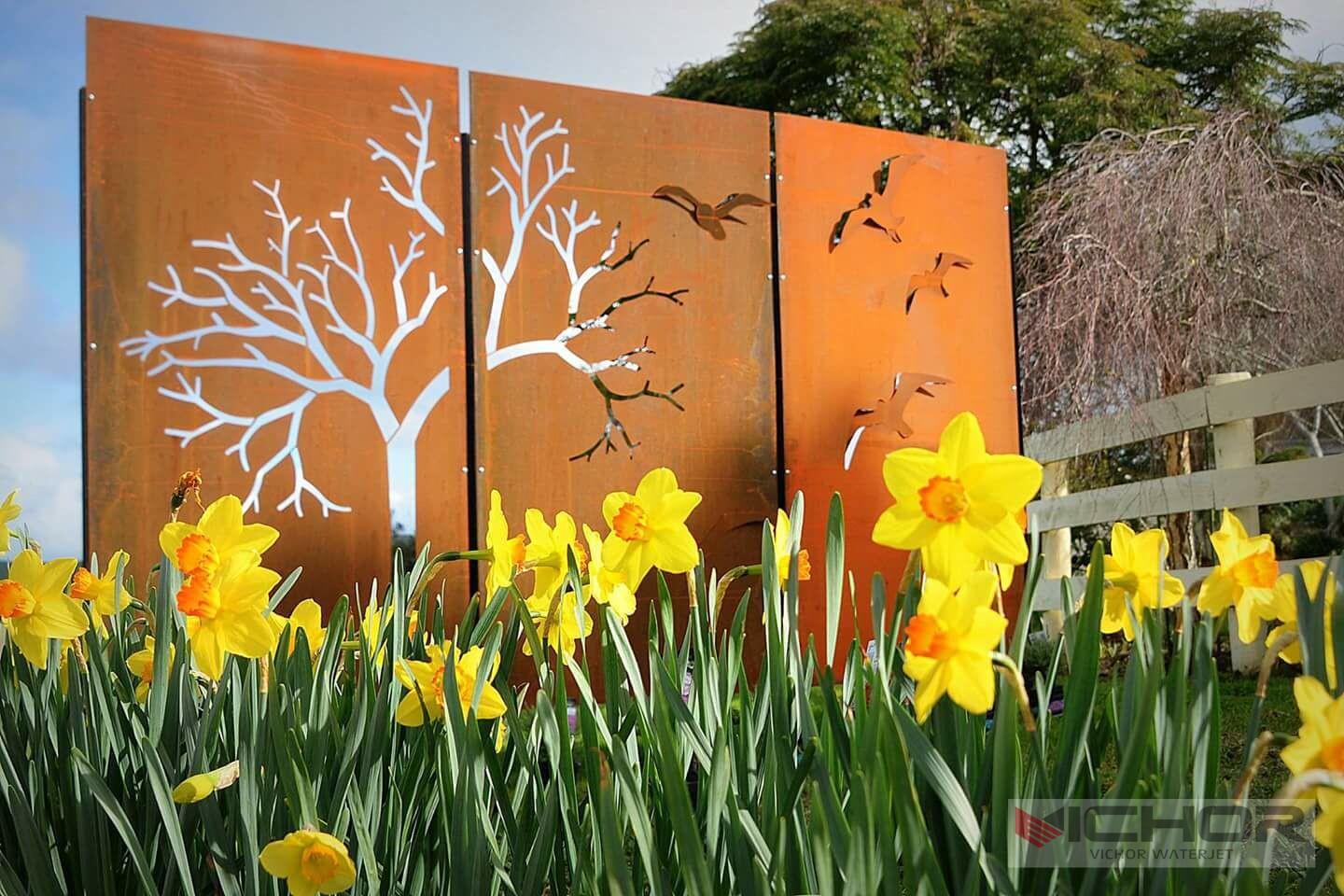
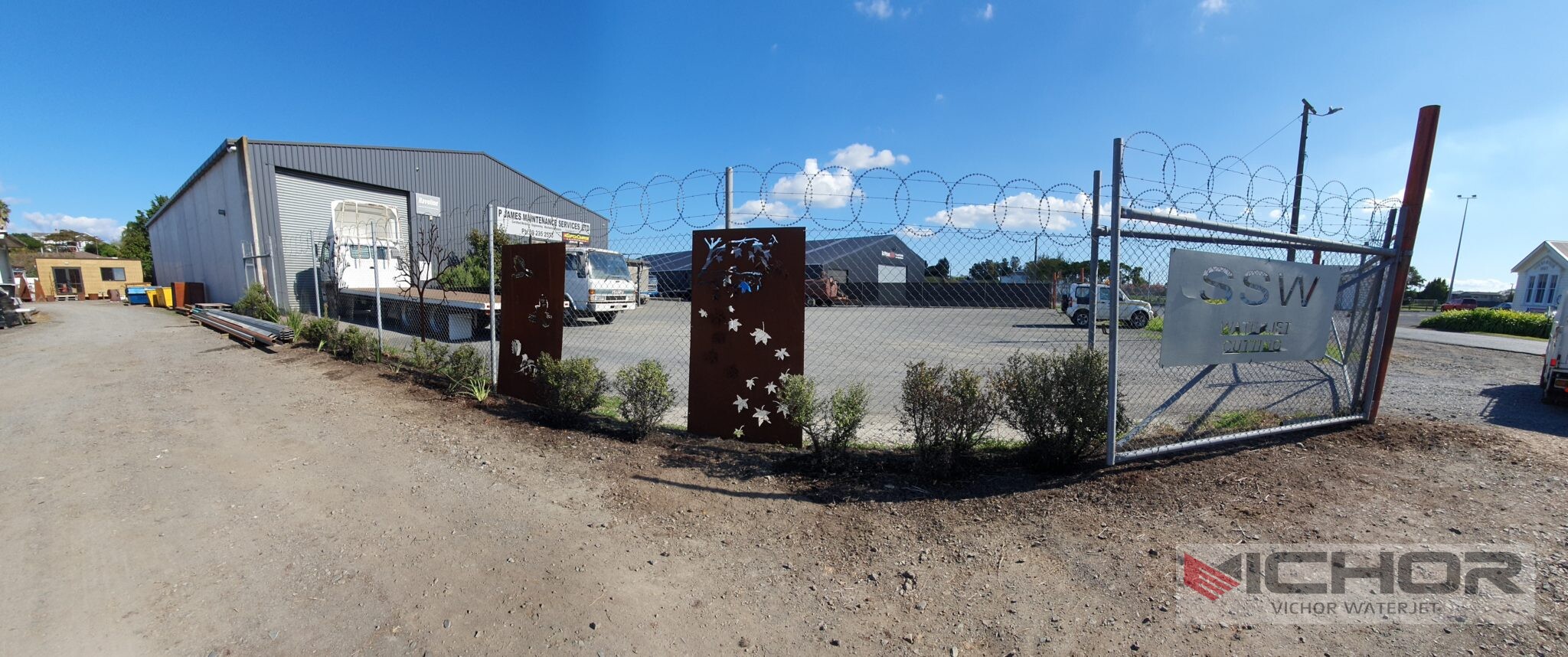
Even large-scale artists and sculptors utilize them to work on-site in museums or public spaces, cutting materials directly where the final installation will stand.
Portable vs. Fixed: Understanding the Key Trade-offs
Choosing a portable waterjet cutting machine involves understanding its specific strengths and limitations compared to a fixed system.
The obvious advantage is mobility. You take the machine to the work, eliminating the massive cost and logistics of transporting large, heavy materials.
They require significantly less permanent infrastructure. No need for a dedicated foundation, large water containment tank, or major electrical rewiring. Most run on a robust 480V 3-phase connection.
However, there are compromises. Cutting speed on very thick materials may be slower than a high-horsepower fixed machine. The work envelope is defined by the hose length and manual positioning, not a massive CNC table.
Portable units are designed for robustness over finesse in some cases. While extremely precise, they may not match the absolute speed and ultra-fine detail capabilities of a top-tier, large-format fixed machine running optimized software. For most field applications, their precision is more than sufficient.
Types and Configurations: Finding the Right Mobile Solution
Not all portable units are the same. The market offers different configurations to suit various needs and budgets.
The most common type is the fully integrated, wheeled “all-in-one” unit. These combine the pump, abrasive hopper, controls, and often a small water tank on a single steel chassis. They are designed for true tow-behind or truck-bed mobility.
Another type is the modular system, where the pump and power unit are separate from the cutting control skid. This allows for easier transport in confined spaces, like down stairwells or through hatches on ships.
There are also smaller, “compact” waterjets designed for shop mobility. These aren’t for off-site work but allow a single machine to be moved around a large factory floor to different work cells as needed. Brands like VICHOR offer models across this spectrum, from true off-road field units to shop-flexible systems.
Cost Analysis: Investment, Operation, and ROI
The price of a portable waterjet cutting machine is a significant investment, but the context is different from a fixed system.
Purchase prices can range from approximately $120,000 for a basic, lower-pressure manual system to over $300,000 for a high-pressure, CNC-equipped portable powerhouse with advanced features. This is often comparable to a mid-range fixed machine.
The true financial calculation revolves around Return on Investment (ROI) from saved logistics. For industries like ship repair, the ROI can be realized in a single job by avoiding dry-dock fees. For construction, it eliminates the cost and risk of crane-lifting large prefabricated pieces.
Operational costs are similar to fixed machines: electricity, abrasive garnet, and maintenance. A key added cost can be more frequent maintenance due to the rigors of transportation, making build quality paramount. A well-built machine from a manufacturer like VICHOR is engineered for this punishing environment, protecting your investment.
Service and Support: Critical for Mobile Operations
When your machine is on a barge in the middle of a harbor or at a remote wind farm, service support is not a luxury—it’s a necessity.
Choosing a supplier with a global service network is crucial. You need guaranteed access to trained technicians and genuine parts, no matter where your job takes you.
Remote diagnostics are a game-changer. Modern portable units from leading brands come with connectivity that allows engineers to troubleshoot issues remotely, often fixing software problems or guiding local operators through mechanical fixes.
Look for comprehensive training packages. Operators in the field need to be self-sufficient. Good suppliers provide extensive on-site training not just on operation, but on basic maintenance and troubleshooting.
Providers like VICHOR structure their support around the mobile reality, offering rapid-response service agreements and ensuring that their machines are designed for easier field maintenance with modular components.
Total Solutions for On-Site Fabrication Challenges
The most advanced providers don’t just sell a machine; they provide a portable waterjet cutting machine as part of a total on-site cutting solution.
This includes job planning and feasibility studies. Their engineers can advise on power access, positioning, and safety protocols for unique sites.
They often supply complementary equipment: portable fume extractors (for underwater cutting), custom safety enclosures, and material handling tools designed for field conditions.
Software support is tailored for portable use. This includes offline programming tools so cutting paths can be prepared in the office and uploaded to the machine on-site, maximizing productive cutting time in the field.
For complex projects, having a partner like VICHOR means access to their application expertise. They can help determine the optimal pressure, abrasive rate, and cutting speed for unusual materials or challenging positions, ensuring the job is done right the first time.
In conclusion, the portable waterjet cutting machine is more than a tool; it’s a paradigm shift for industries bound by the location of their workpieces. It democratizes the immense capabilities of waterjet technology, offering unmatched flexibility and delivering tremendous value by solving problems where they exist. As technology continues to make these units more powerful and reliable, their role in shaping the future of on-site manufacturing and repair will only grow.
Frequently Asked Questions (FAQs)
Q1: What are the main power requirements for a typical portable waterjet?
A1: Most industrial-grade portable waterjet cutting machines require a 480V, 3-phase electrical supply, drawing between 50 to 100 amps depending on the pump size. Some smaller models can run on 240V 3-phase. Critical planning for any job site is ensuring this power is available or that a suitable generator is on hand.
Q2: Can a portable unit really cut as thick as a fixed machine?
A2: Yes, it can cut similar thicknesses, but often at a slower rate. A high-quality portable unit with a 90,000 PSI pump can cut steel over 6 inches thick. The limiting factor is usually the ability to effectively contain and drain the water at the cut site in a field setting, not the pump pressure.
Q3: How is water containment managed in field applications?
A3: This is a key operational challenge. Common solutions include using custom-built portable containment trays or dams around the work area, utilizing the natural containment of a ship’s hull or a pit, or simply performing the cut in an area where water runoff is manageable. Underwater cutting (submerged head) is also used to suppress splash and noise.
Q4: Is operator training more extensive for a portable system?
A4: It can be. Operators need all the standard training for waterjet safety and CNC operation (if equipped), plus additional skills. These include site assessment for safety and stability, setup and calibration on uneven ground, managing hoses and cables in the work area, and performing more thorough pre-start checks due to the mobile nature of the equipment.
Q5: How does VICHOR’s approach to portable waterjets differ?
A5: VICHOR designs its portable systems with a “field-first” philosophy. This means emphasis on extreme durability of the frame and components to withstand vibration during transport, environmental sealing for dust and moisture, and simplified, tool-free access for daily maintenance. Their focus is on maximizing uptime and reliability in the most demanding conditions, backed by a responsive global service network.