7 Key Facts About the Water Jet Cutting Process: How It Works & Where to Use It
The water jet cutting process is a versatile and powerful manufacturing method. It uses a high-pressure stream of water, often mixed with an abrasive substance, to slice through materials. This technology is famous for its precision and flexibility.
Unlike other methods, it doesn’t use heat. This makes it perfect for materials that are sensitive to high temperatures. From metals to stone, and glass to composites, it handles them all with ease.
How Does the Water Jet Cutting Process Work?
The core principle is simple. A high-pressure pump intensifies water to extreme levels. This pressurized water is then forced through a tiny nozzle.
The result is a supersonic stream capable of incredible cutting power. For harder materials, an abrasive grit is added to the stream. This transforms the water jet into a powerful cutting tool.
The process is controlled by a computer. This ensures extreme accuracy and repeatability. Every cut follows a digital design exactly, leaving a smooth edge.
Major Applications of Water Jet Cutting
The water jet cutting method is used across many industries. Its ability to cut without heat-affected zones is a major advantage.
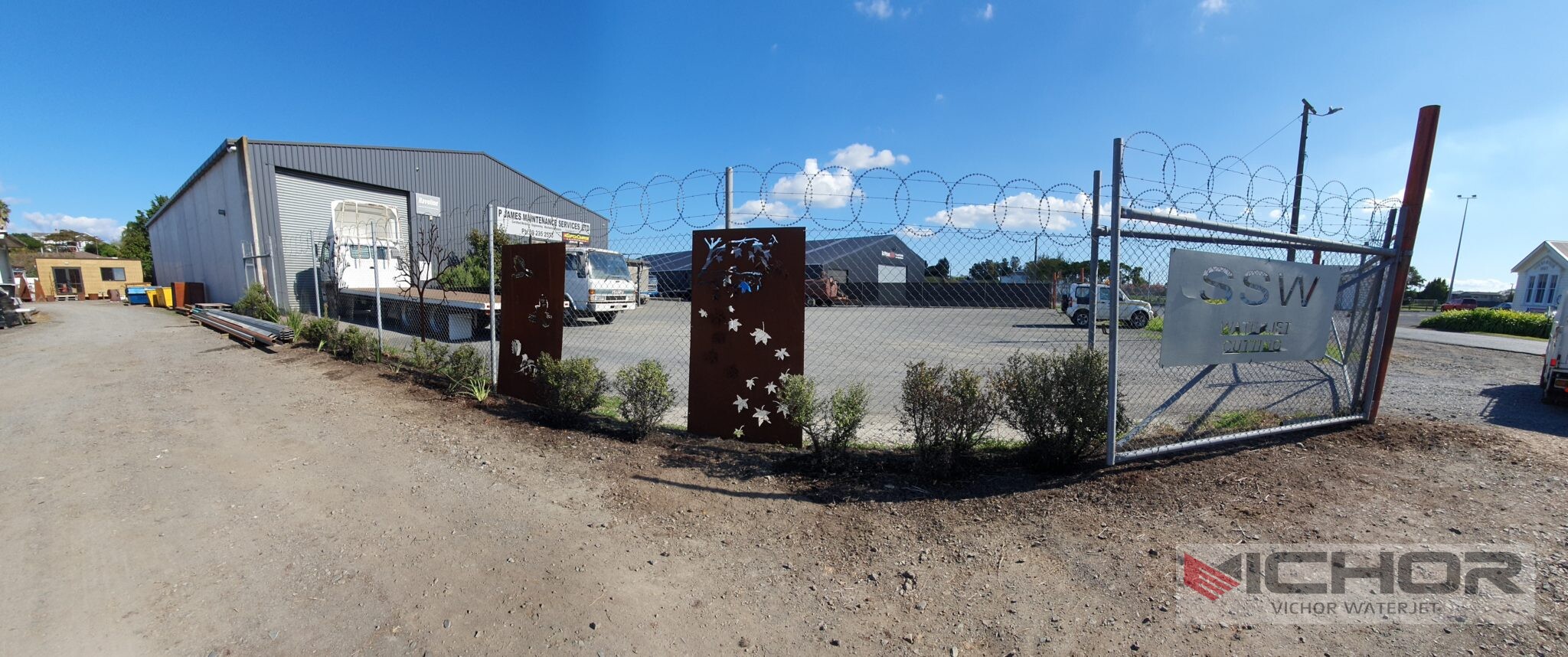
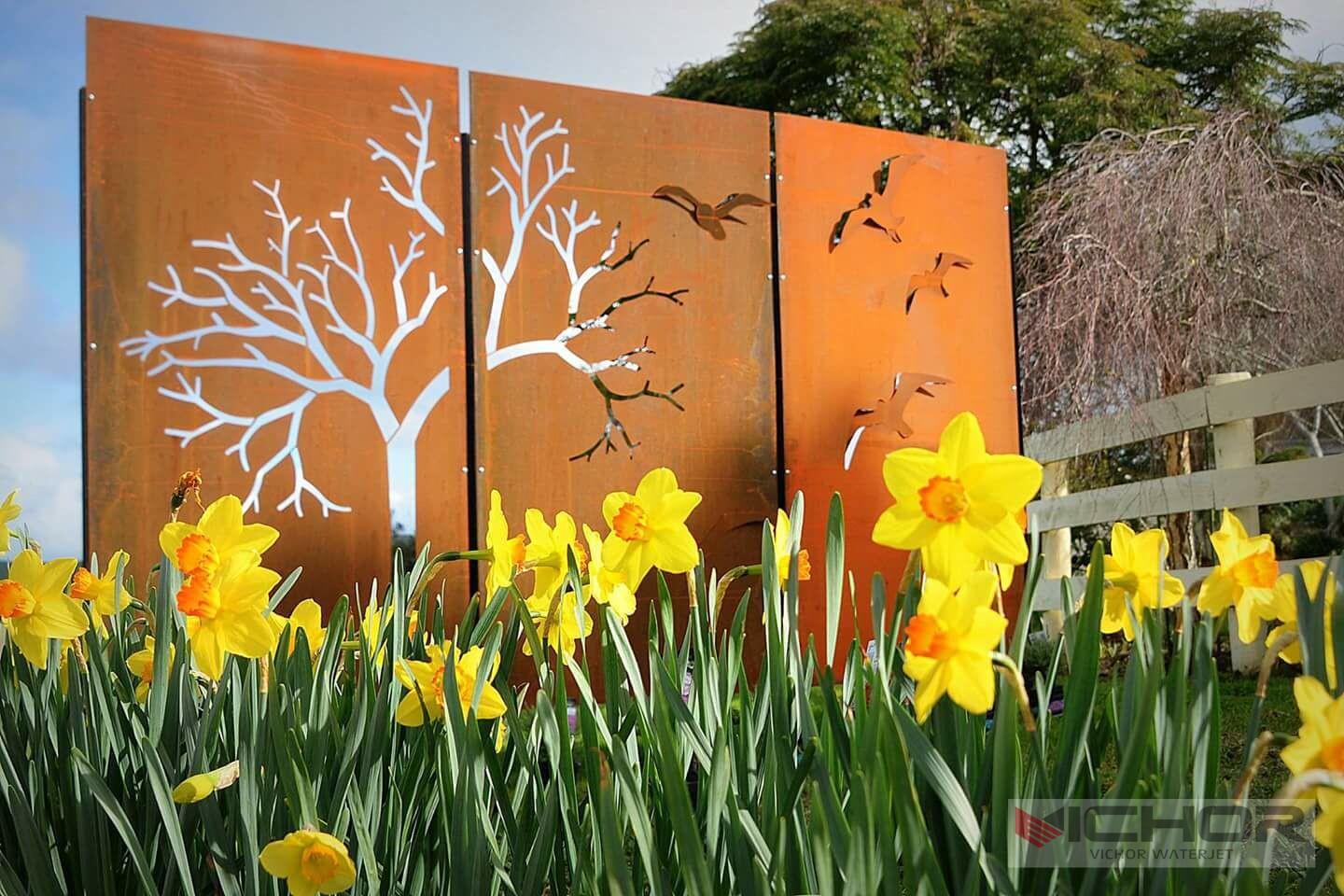
In aerospace, it precisely cuts titanium and aluminum composites. The automotive industry uses it for custom parts and interior panels. Art and architecture benefit from its ability to shape stone, glass, and metal intricately.
Manufacturers of machinery use it for thick steel plates. The food industry even uses pure water jets for cutting pastries and frozen goods. The applications are nearly limitless.
Key Functions and Advantages
Why choose this process? First, it is a cold cutting operation. There is no thermal distortion, hardening, or warping of the material.
It offers exceptional precision, with tolerances as tight as +/- 0.1 mm. The water jet cutting process can start cutting from the middle of a plate, not just the edge. This allows for complex nesting of parts, reducing material waste significantly.
It is also an environmentally friendly technology. It doesn’t produce hazardous fumes or dust. The used abrasive and water can often be recycled within the system.
Types of Water Jet Cutting Systems
There are two primary types of waterjet cutting systems. Understanding them helps in selecting the right tool for the job.
Pure water jets use only highly pressurized water. They are ideal for softer materials. This includes rubber, foam, food products, and gaskets.
Abrasive water jets mix a granular grit, like garnet, into the stream. This is the standard for cutting hard materials. Metals, stone, ceramics, and bulletproof glass all require an abrasive water jet cutting process.
Cost, Pricing, and Investment Factors
The price of a water jet cutting service or machine depends on several variables. Initial machine investment ranges widely based on size, power, and features.
Operational costs include electricity, water, abrasive material, and maintenance. For service-based usage, pricing is often per linear inch of cut. The cost is influenced by material type, thickness, and cutting speed.
Thicker, harder materials take longer to cut and use more abrasive. This increases the price. However, the reduction in secondary finishing often makes it cost-effective overall.
Service and Solutions from Industry Leaders
For companies not ready to invest in their own system, professional water jet cutting services are the answer. They provide access to the technology without the capital outlay.
Leading providers, like VICHOR, offer comprehensive solutions. VICHOR operates a fleet of high-performance abrasive water jets. They provide precision cutting services for clients in heavy industry, mining, and engineering.
Their service includes expert design for manufacture (DFM) support. They help optimize parts for the water jet cutting process to save time and material.
VICHOR’s Approach to Complex Cutting Challenges
As an example of a specialized provider, VICHOR tackles projects others avoid. They regularly handle materials over 200mm thick. Their expertise ensures quality cuts in tough alloys and complex composites.
They don’t just offer a cutting service; they provide a manufacturing solution. From initial consultation to final delivery, their process is designed for reliability. This makes them a trusted partner for critical industrial components.
Their use of advanced water jet cutting process technology guarantees precision. This commitment positions them as a key player in the international waterjet cutting field.
Frequently Asked Questions (FAQ)
Q1: What materials cannot be cut with a water jet?
A1: Very few. Tempered glass and certain diamonds can shatter. Some multi-layered composites may delaminate. Generally, the water jet cutting process is one of the most versatile methods available.
Q2: How thick of a material can a water jet cut through?
A2: Industrial abrasive water jets can cut materials over 12 inches (300mm) thick. Common cuts for steel are in the 4-6 inch range. The achievable thickness depends on the material hardness and the machine’s power.
Q3: Is the edge quality from a water jet cut smooth?
A3: Yes, typically a smooth, matte finish is achieved. There is a slight taper (wider at the top than bottom), but advanced systems can minimize this. The cut edge usually requires no secondary finishing.
Q4: How does water jet cutting compare to laser cutting?
A4: Lasers are faster on thin metals but create a heat-affected zone. The water jet cutting process is slower but cuts any material without heat damage. It is also better for very thick materials and is safer for cutting reflective surfaces like copper.
Q5: What maintenance does a water jet system require?
A5: Regular maintenance is crucial. It includes replacing high-pressure seals, inspecting the nozzle for wear, and managing the abrasive delivery system. Proper maintenance ensures consistent cut quality and machine longevity.