
7 Essential Benefits of Using a Water Jet Tile Cutting Machine for Precision Work
For fabricators and contractors who demand intricate shapes and chip‑free edges, a water jet tile cutting machine has become the go‑to tool. Unlike manual nippers or bridge saws, this technology uses a high‑pressure stream mixed with abrasive to slice through hard materials without mechanical stress. VICHOR offers advanced systems that make water jet tile cutting machine operations accessible for both small workshops and large production facilities.
1. What Is a Water Jet Tile Cutting Machine and How Does It Work?
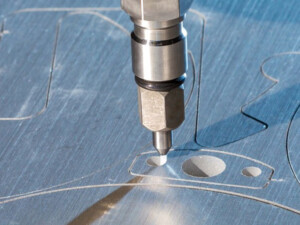
A water jet tile cutting machine uses ultra‑high pressure water (up to 60,000 psi) forced through a tiny orifice. For hard tiles like porcelain or granite, abrasive garnet is added to the stream to erode the material.
The cutting head moves on a gantry system, following CNC‑programmed paths. Because the process is cold, there are no micro‑cracks or heat‑affected zones, which is critical for delicate tiles.
Main components of the system
- High‑pressure pump (intensifier or direct drive).
- Abrasive metering and delivery unit.
- CNC‑controlled cutting table (typically 1.5 x 2 m or custom sizes).
- Water tank with grid to support tiles.
- Full enclosure for safety and noise reduction.
2. Why Choose a Water Jet Tile Cutting Machine Over Traditional Tile Cutters?
Traditional methods often struggle with hardness or intricate shapes. A water jet tile cutting machine solves these limitations with several distinct advantages.
Cold cutting process
- No heat means no thermal stress or glazing on edges.
- Ideal for glass and stone that could shatter with heat.
Versatility in materials
- Cuts ceramic, porcelain, marble, granite, glass, and composite tiles.
- Handles thicknesses from 2 mm up to 50 mm or more.
Precision and edge quality
- Accuracy of ±0.1 mm allows tight fit for mosaics.
- Edges are smooth, often requiring no polishing.
VICHOR machines are engineered to deliver these benefits consistently, even on complex designs.
3. Types of Tiles Suitable for Water Jet Cutting
Almost any tile material can be processed with a water jet tile cutting machine. Here are the most common categories:
Ceramic and porcelain
- Hard and brittle; water jet prevents chipping.
- Ideal for intricate patterns in floors and walls.
Natural stone (marble, granite, travertine)
- Cuts veined materials without fracture.
- Preserves the natural beauty with clean edges.
Glass and mosaic
- No thermal shock; edges remain clear.
- Perfect for artistic panels and backlit features.
Engineered quartz
- Abrasive‑resistant; water jet cuts efficiently.
- Common for countertops and vanity tops.
4. Key Features to Look for in a Water Jet Tile Cutting Machine
When investing in a water jet tile cutting machine, consider these specifications:
Cutting area and table size
- Standard tile sizes (60×60 cm) require at least 1.2 x 1.2 m.
- For large format tiles (1.2×2.4 m), choose a table that accommodates them.
Pump pressure and abrasive system
- 40,000‑60,000 psi is sufficient for most tiles.
- Reliable abrasive delivery ensures consistent cut quality.
CNC control and software
- User‑friendly interface with DXF import.
- Ability to nest parts to minimize waste.
Enclosure and safety
- Full enclosure reduces noise and contains mist.
- Safety interlocks protect operators.
VICHOR provides machines that meet these criteria, backed by global support.
5. Comparing Water Jet Tile Cutting to Other Methods
Understanding how a water jet tile cutting machine stacks up against alternatives helps in making the right choice.
Water jet vs. manual wet saw
- Wet saws are limited to straight cuts; water jet does any shape.
- Water jet produces finer edges without chipping.
Water jet vs. bridge saw
- Bridge saws cut stone quickly but require blade changes for curves.
- Water jet cuts complex patterns in one setup.
Water jet vs. laser (for tiles)
- Laser cannot cut thick or reflective tiles effectively.
- Water jet handles all tile materials regardless of reflectivity.
For custom inlays and intricate designs, the water jet tile cutting machine is often the only practical solution.
6. Applications in Construction and Design
The versatility of a water jet tile cutting machine opens many creative possibilities.
Custom floor inlays and medallions
- Combine different stone colors to create logos or patterns.
- Precision fit eliminates large grout lines.
Intricate wall mosaics
- Cut small pieces from sheets with consistent size.
- Ideal for feature walls in hotels and residences.
Architectural features and trims
- Produce curved borders, corners, and listellos.
- Match existing profiles exactly.
Countertop fabrication
- Cut sink holes, cooktop openings, and decorative edges.
- Integrated drainboards can be cut from solid surface.
VICHOR customers use their machines for these applications every day, achieving repeatable quality.
7. Maintenance and Operating Tips for Longevity
Proper care of a water jet tile cutting machine ensures consistent performance and long service life.
Daily cleaning
- Flush the tank to remove settled abrasive.
- Wipe down the enclosure and linear guides.
Nozzle and abrasive care
- Inspect the mixing tube for wear every shift.
- Keep abrasive dry and free of contamination.
Pump maintenance
- Change high‑pressure seals according to hours.
- Monitor oil levels and filters weekly.
Routine checks prevent unexpected downtime and maintain cut quality.
Precision and Creativity with a Water Jet Tile Cutting Machine
In summary, a water jet tile cutting machine empowers fabricators to push the boundaries of tile design. Its cold, precise cuts work on any material, from soft glass to hard granite, without chipping or cracking. Whether for custom flooring, mosaics, or architectural details, this technology delivers results that traditional methods cannot match. VICHOR offers a range of water jet systems tailored to tile cutting, backed by training and support. Evaluate your production needs and consider adding a water jet to your workshop.
Frequently Asked Questions (FAQ)
Q1: Can a water jet tile cutting machine cut porcelain tiles without chipping?
A1: Yes, water jet tile cutting machine technology produces a clean edge without chipping because the abrasive erodes the material gently, unlike mechanical blades that can fracture the surface.
Q2: What is the maximum tile thickness a water jet can handle?
A2: Most compact machines cut up to 50 mm in stone or porcelain. Industrial models can handle thicker slabs, but for standard tiles (6‑20 mm), a tabletop or mid‑size machine is sufficient.
Q3: How long does it take to cut a complex mosaic pattern?
A3: Cutting speed depends on material thickness and intricacy. For example, a 10 mm granite tile might cut at 100‑200 mm per minute. A typical 300×300 mm medallion may take 10‑30 minutes to cut, including piercing.
Q4: Do I need special software to design for water jet tile cutting?
A4: Most machines accept standard DXF files from CAD programs like AutoCAD or Illustrator. VICHOR provides nesting software that optimizes material usage and generates the cutting paths.
Q5: What safety precautions are required when operating a water jet tile cutter?
A5: Operators should wear hearing protection (even with enclosures) and safety glasses. The machine must have interlocks that stop the jet if the door opens. Regular training on high‑pressure systems is also recommended.
Q6: Can a water jet tile cutting machine also cut metal or other materials?
A6: Yes, the same water jet tile cutting machine can cut metals, plastics, composites, and more by adjusting abrasive flow and pressure. This makes it a versatile addition to any fab shop.
Q7: How much does it cost to operate a water jet tile cutter per hour?
A7: Operating cost includes abrasive (approx. $0.30‑$0.50 per minute), electricity, water, and wear parts. For tile cutting, abrasive consumption is moderate, and the cost per part is competitive with specialized saws, especially for complex shapes.
Q8: Is water jet cutting environmentally friendly for tile fabrication?
A8: Yes. The process uses only water and garnet, which can be filtered and disposed of as non‑hazardous waste. No chemicals or fumes are released, making it one of the cleanest cutting methods available.