
7 Critical Things to Know Before Buying a Hydro Jet Cutting Machine
A hydro jet cutting machine uses ultra-high pressure water to slice through a wide range of materials. It is a cold-cutting process, meaning no heat-affected zones or thermal distortion. This technology is favored for its precision and versatility. Manufacturers use it for metals, stone, composites, and even food products. Understanding its capabilities helps in making informed purchasing decisions.
What Is a Hydro Jet Cutting Machine?
A hydro jet cutting machine accelerates water to supersonic speeds through a small orifice. For hard materials, abrasive particles like garnet are added to the stream. The result is a powerful erosion process that cuts cleanly without mechanical stress. These machines are often CNC-controlled for repeatable accuracy. They are used across industries from aerospace to art.
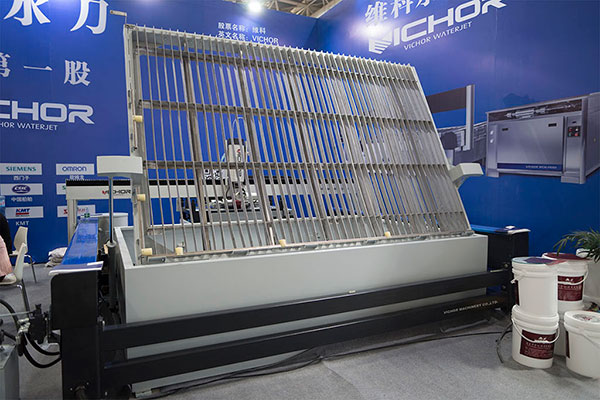
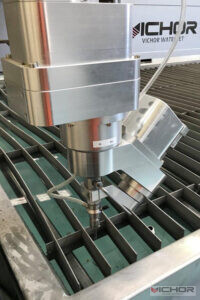
Key components include a high-pressure pump, cutting head, abrasive feeder (for abrasive models), and a catchment tank. The pump can be an intensifier or direct-drive type, each with its own maintenance profile. VICHOR offers a range of configurations; see their products at VICHOR waterjet cutting machines.
How Does a Hydro Jet Cutting Machine Work?
The process starts with a pump pressurizing water to between 30,000 and 90,000 psi. This water is then forced through a diamond or sapphire orifice, creating a thin, coherent jet. In abrasive cutting, the water jet draws garnet from a hopper into the mixing chamber. The abrasive particles gain momentum and erode the material. The cutting head moves along a programmed path, guided by CNC software.
Control parameters like pressure, abrasive flow rate, and traverse speed are adjusted for each material. Modern systems include automatic height control to maintain standoff distance. This ensures consistent cut quality across warped or uneven surfaces.
7 Key Advantages of Using a Hydro Jet Cutting Machine
1. Cold Cutting Process
Because no heat is generated, materials retain their original properties. There is no hardening, melting, or recast layer. This is vital for heat-sensitive alloys and composites.
2. Exceptional Versatility
A hydro jet cutting machine cuts almost any material—metal, glass, stone, ceramics, plastics, rubber, and even food. It eliminates the need for multiple dedicated machines.
3. High Precision
Tolerances of ±0.1 mm are achievable, making it suitable for intricate parts. The narrow kerf minimizes material waste. Complex shapes and tight corners are routine.
4. No Tool Wear
The water stream never dulls, ensuring consistent quality over time. There are no cutting edges to replace, reducing consumable costs.
5. Environmentally Friendly
Only water and natural abrasives are used. The process generates no hazardous fumes or dust. Wastewater is easily filtered, and abrasives can be recycled.
6. Minimal Material Stress
The cutting force is very low, so delicate parts are not deformed. This is important for thin foils, honeycombs, and layered materials.
7. Easy Setup and Fast Prototyping
No tooling changes are needed—just upload a CAD file and cut. This speeds up product development and shortens time to market.
Materials That Can Be Cut with a Hydro Jet Cutting Machine
The range of materials is vast. Common categories include:
- Metals: Steel, stainless steel, aluminum, titanium, brass, copper, Inconel.
- Stone and Ceramics: Granite, marble, slate, porcelain, tiles.
- Glass: Tempered, laminated, borosilicate, mirrored.
- Composites: Carbon fiber, fiberglass, Kevlar, laminates.
- Plastics: Acrylic, polycarbonate, nylon, PTFE, polyethylene.
- Rubber and Foam: Neoprene, silicone, EVA, polyurethane.
- Wood and Paper: Hardwood, softwood, cardboard, corrugated.
- Food: Meat, fish, vegetables, bakery products.
This versatility makes the hydro jet cutting machine a valuable asset for job shops and specialized fabricators.
Industries Benefiting from Hydro Jet Cutting Technology
Many sectors rely on this technology for production and prototyping:
- Aerospace: Cutting titanium brackets, composite panels, and engine components.
- Automotive: Fabricating gaskets, interior trim, and chassis parts.
- Architecture: Creating stone cladding, decorative metal screens, and custom tiles.
- Medical: Shaping implants, surgical tools, and orthopedic devices.
- Electronics: Cutting heat sinks, circuit boards, and enclosures.
- Food Processing: Portioning meat, fish, and baked goods hygienically.
- Art and Signage: Producing intricate sculptures, logos, and lettering.
- Marine: Cutting fiberglass hulls and deck components.
Each application leverages the precision and cold-cutting nature of the machine.
How to Choose the Right Hydro Jet Cutting Machine
Selecting equipment requires evaluating several factors:
- Pump Pressure: Higher pressure (60,000–90,000 psi) increases cutting speed and thickness capability.
- Table Size: Match the cutting area to your largest typical workpiece.
- Abrasive Delivery: Consistent feed ensures reliable cutting; look for precision metering.
- CNC Controller: User-friendly software with nesting and CAD import capabilities.
- Pump Type: Direct drive pumps are efficient; intensifier pumps offer high pressure but need more maintenance.
- Support and Training: Choose a brand like VICHOR that provides comprehensive service. Visit VICHOR waterjet cutting machines for options.
Also consider whether you need a pure water or abrasive system, or a combination machine. Many VICHOR models support both with quick changeover.
Maintenance Tips for Your Hydro Jet Cutting Machine
Proper upkeep ensures longevity and performance. Follow these guidelines:
- Daily: Inspect nozzles and orifices for wear; clean the tank and remove sludge.
- Weekly: Check high-pressure seals and hoses for leaks; lubricate linear guides.
- Monthly: Replace water filters and inspect abrasive delivery lines.
- Quarterly: Calibrate the cutting head alignment and verify pressure accuracy.
- Annually: Service the pump, replace worn components, and update software.
Using soft, filtered water extends pump life. Keep a log of maintenance activities. VICHOR provides detailed manuals and remote support for their machines.
The hydro jet cutting machine offers a unique combination of precision, versatility, and eco-friendliness. It handles virtually any material without heat damage, making it indispensable for modern manufacturing. By investing in quality equipment from reputable brands like VICHOR, you gain a competitive edge. Regular maintenance and proper operation ensure years of reliable service. As industries demand higher quality and lower waste, this technology will remain a cornerstone of fabrication.
Frequently Asked Questions (FAQ)
Q1: What is the difference between a hydro jet cutting machine and a waterjet cutter?
A1: They are essentially the same; “hydro jet” is another term for waterjet. Both use high-pressure water for cutting. Some use the term “hydro” to emphasize the water-based nature, but the technology is identical.
Q2: Can a hydro jet cutting machine cut thick materials?
A2: Yes, abrasive hydro jet machines can cut materials up to 12 inches or more, depending on the material and pump pressure. Thicker sections require slower speeds and may have a slight taper, but modern 5-axis heads compensate for this.
Q3: Is the operation of a hydro jet cutting machine expensive?
A3: Operating costs include electricity, water, abrasives (if used), and maintenance. It is generally cost-effective because there is no tool wear and material yield is high. For many shops, the versatility justifies the investment.
Q4: What safety measures are needed when operating a hydro jet cutting machine?
A4: Operators should wear hearing protection (due to pump noise) and safety glasses. The machine enclosure must remain closed during cutting to contain spray and abrasive dust. Emergency stop buttons should be clearly marked and tested regularly.
Q5: How often should I replace the nozzle on my hydro jet cutting machine?
A5: Nozzle life depends on usage and water quality. Typically, orifices last 50–200 hours, while mixing tubes (in abrasive cutting) last 40–120 hours. Regular inspection and replacement ensure cut quality. Your service provider can recommend a schedule.
Q6: Can I cut food products with a hydro jet cutting machine?
A6: Yes, pure water hydro jet cutting is commonly used in food processing. It cuts cleanly without introducing heat or contaminants. The water must be potable, and the machine should have food-grade components. Many systems are designed specifically for the food industry.