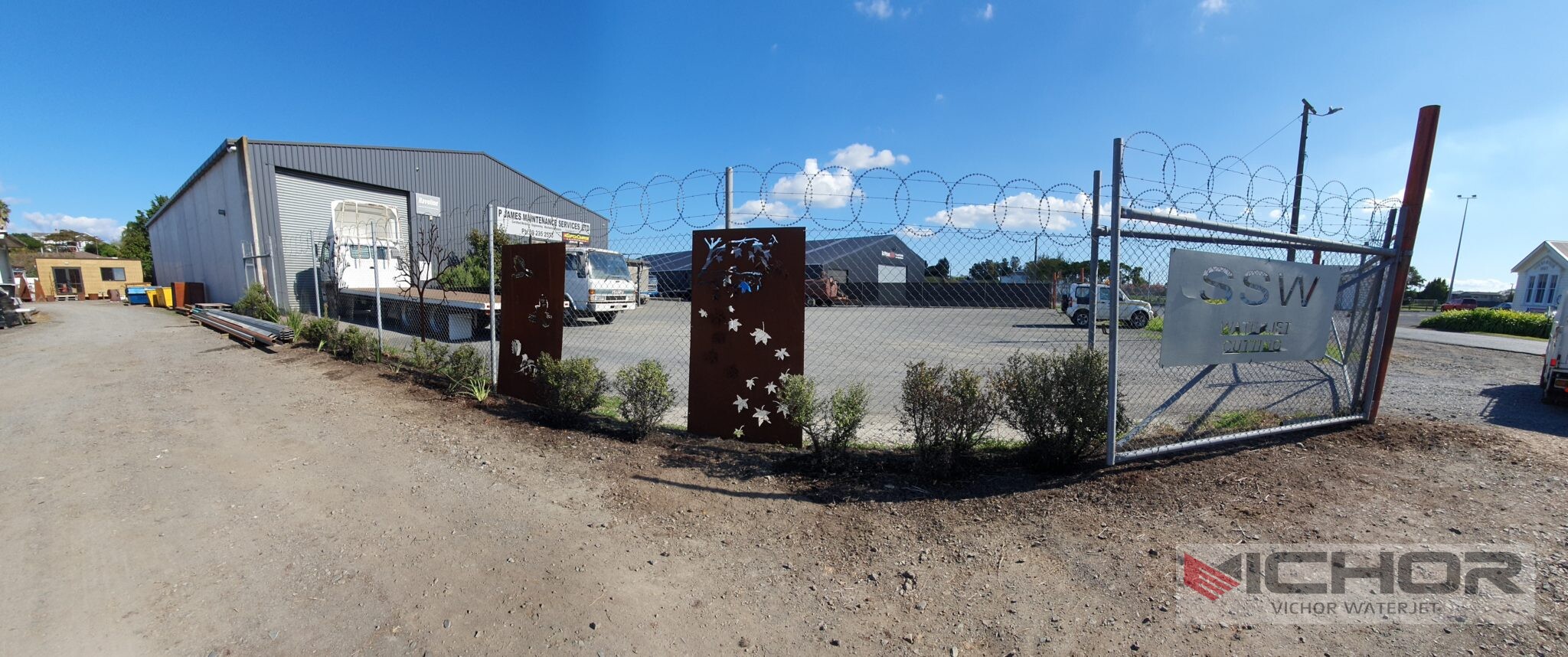

5 Things You Need to Know Before Buying a Water Cutter Jet
If you’re in manufacturing, fabrication, or even artistic creation, you’ve probably heard about the technology. The water cutter jet has revolutionized how we slice through materials. From thick metal plates to delicate stone mosaics, this tool offers a unique combination of power and precision.
But what exactly is it, and is it the right solution for your workshop? The term itself can be a bit confusing, often used interchangeably with “waterjet cutter.” This article cuts through the noise. We’ll explain the essentials, helping you make an informed decision.
How It Actually Works: It’s Not Just Water
Many people picture a simple, high-powered water hose. The reality is more sophisticated. A standard pump takes ordinary water and pressurizes it to an extreme level—often beyond 60,000 pounds per square inch (PSI).
This ultra-high-pressure water is then forced through a tiny, hardened gemstone orifice. This creates a coherent, supersonic stream.
For cutting materials like metal, stone, or glass, an abrasive mineral (usually garnet) is introduced into this stream. The water accelerates the abrasive particles, which do the actual cutting. This process is known as abrasive waterjet cutting.
A pure water cutter jet, without abrasive, is used for softer materials like foam, rubber, or food.
Where Is a Water Cutter Jet Used?
The versatility of this technology is its biggest selling point. You’ll find it across a huge range of industries.
Aerospace and aviation companies use it to cut complex shapes from titanium, aluminum, and advanced composites without creating heat damage. Automotive manufacturers use it for interior parts, gaskets, and custom modifications.
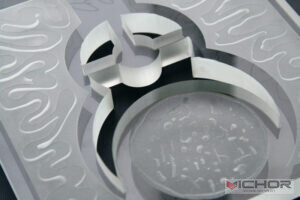
In the stone and tile industry, it creates intricate designs and precise countertop cutouts. Metal fabrication shops rely on it for precision parts from steel, brass, and tool steel.
Artists and architects use a water cutter jet to bring detailed designs to life in materials that would otherwise be difficult to work with.
Key Advantages and Functions
Why choose this method over lasers, plasma, or saws? The benefits are clear.
First, it’s a cold-cutting process. No heat is transferred to the material. This means no heat-affected zones (HAZ), no warping, and no hardened edges. The material’s intrinsic properties remain unchanged.
Second, it can cut virtually anything. A single machine can switch from cutting 4-inch thick steel to etching a pattern in marble or slicing through foam.
It offers exceptional precision with a very small kerf (the width of the cut). This minimizes material waste. The ability to start a cut from the middle of a plate (piercing) is another major functional advantage.
Understanding the Different Types
Not all machines are the same. The main division is between pure waterjet and abrasive waterjet systems, as mentioned.
Beyond that, the mechanical design varies. The most common is a gantry system, where the cutting head moves on a sturdy bridge over a stationary bed. This is ideal for flat sheet material.
For cutting complex 3D shapes, a robotic arm water cutter jet might be used. There are also specialized systems for cutting pipes and tubes.
The core components—the high-pressure pump, the cutting table, and the control software—vary greatly in quality and capability between models and brands.
Cost Factors and Investment
The price tag for a **water cutter jet** can be surprising, ranging from the cost of a luxury car to that of a small house. What drives this?
The high-pressure pump is the heart and the most expensive part. Its horsepower rating directly dictates cutting speed and capacity. A 30 HP pump is a very different investment from an 80 HP pump.
The size and build quality of the cutting table are next. A light-duty table for occasional use costs less than a massive, stress-relieved steel frame designed for 24/7 production.
Brand reputation, software sophistication, and add-ons like automatic abrasive feeders or 5-axis cutting heads all add to the final cost. Companies like VICHOR focus on providing robust systems that balance upfront cost with long-term reliability and lower operating expenses.
Service and Maintenance Realities
This is not a “buy it and forget it” machine. Maintaining the extreme pressures is key to consistent performance.
The pump requires regular maintenance. Seals and valves wear out. The cutting head contains consumable parts: the orifice and the mixing tube. These need frequent replacement to maintain cut quality and speed.
Abrasive delivery systems must be kept dry and free of clogs. Having a reliable service partner is critical. A provider with a strong global network, like VICHOR, ensures you can get technical support and genuine parts quickly, minimizing costly downtime.
Choosing the Right Solution
Your needs should dictate the machine. The wrong choice can lead to frustration and poor return on investment.
Consider your primary materials and thicknesses. What are your production volume and precision requirements? What is your available floor space and power supply?
An experienced supplier won’t just sell you a machine. They will consult with you. They will analyze your workflow and recommend a water cutter jet solution that fits your technical needs and budget. They might even suggest a different technology if it’s more suitable.
It’s about finding a partner who provides a complete solution, not just hardware.
In the end, understanding the fundamentals of a water cutter jet is the first step toward harnessing its potential. It’s a powerful, flexible tool that can solve many fabrication challenges, provided you choose the right system and maintain it properly.
Frequently Asked Questions (FAQs)
Q1: What’s the difference between a “water cutter jet” and a “waterjet cutter”?
A1: They are different terms for the same technology. Both refer to a machine that uses an ultra-high-pressure stream of water, often mixed with abrasive, to cut materials. “Waterjet cutter” is perhaps the more commonly used industrial term, but both are understood.
Q2: What materials can a water cutter jet NOT cut?
A2: Very few. Tempered glass and certain hardened ceramics can shatter due to the water’s impact. Diamond and some ultra-hard composites are extremely difficult. Also, materials that degrade quickly in water, like certain untreated papers or some foams, are not ideal.
Q3: Is the cutting process slow?
A3: It is generally not as fast as plasma for thin steel or a laser for thin non-metals. However, its speed must be weighed against its versatility and quality. For many materials and thicknesses, especially where no secondary finishing is needed, it can be the most efficient overall process. Modern pumps from brands like VICHOR are designed for optimal speed and performance.
Q4: How thick of a material can it cut?
A4: With an abrasive system, a powerful water cutter jet can cut metals over 8 inches thick and stone/concrete even thicker. The practical limit depends on the pump pressure, abrasive quality, and the required cut quality and speed. Cutting very thick material slows down significantly.
Q5: Can I use any garnet abrasive?
A5: No. The abrasive must be specifically graded for waterjet use. It needs to have a consistent, sharp mesh size (usually 80 or 120 Mesh) and be clean and dry. Using low-quality or damp abrasive is a primary cause of poor cut quality, slow speeds, and clogging in the cutting head.