
5 Reasons to Use a Water Pressure Cutter in Modern Manufacturing
In today’s manufacturing landscape, precision and versatility are non-negotiable. Enter the water pressure cutter, a technology that has revolutionized how we cut materials. Using an ultra-high-pressure stream of water, often mixed with abrasive particles, this method can slice through virtually anything with incredible accuracy and no heat-affected zones. From intricate metal parts to delicate composites, the water pressure cutter offers a solution where traditional methods fall short. This article explores why this technology is a cornerstone of modern fabrication.
How a Water Pressure Cutter Works
The principle is elegant in its simplicity. A high-pressure intensifier pump pressurizes ordinary water to extreme levels, often exceeding 60,000 PSI. This pressurized water is then forced through a tiny gemstone orifice, creating a supersonic jet.
For cutting harder materials like metals or stone, an abrasive material, typically garnet, is introduced into this stream. The abrasive particles are accelerated by the water jet, enabling the water pressure cutter to erode through tough materials. The cutting head is controlled by a CNC system, allowing for complex, computer-designed shapes to be executed flawlessly.
Key Applications of Waterjet Cutting
The application range of the water pressure cutter is vast. Its ability to handle diverse materials makes it indispensable across sectors.
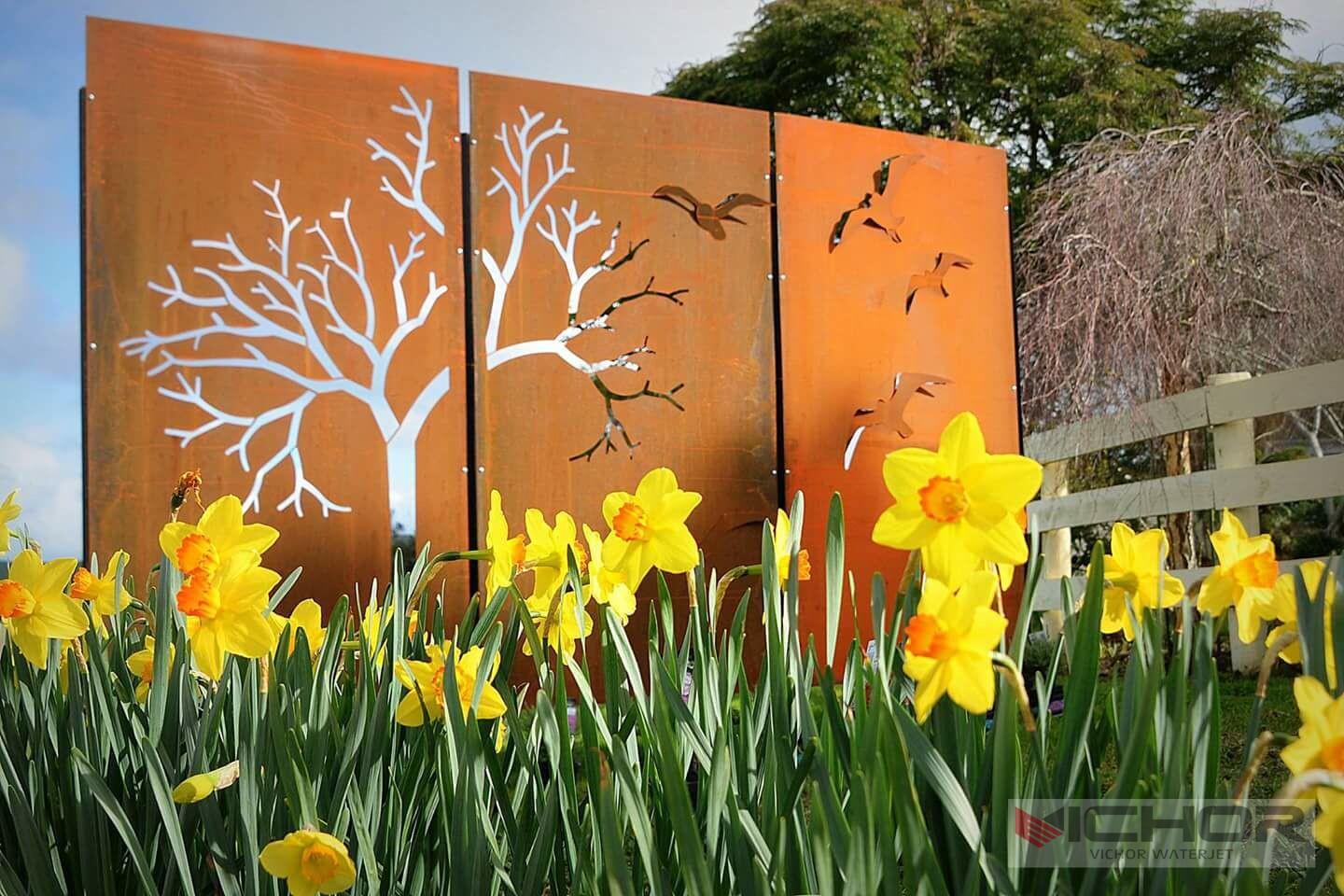
In aerospace, it cuts titanium, aluminum, and advanced composites without compromising the material’s integrity. The automotive industry uses it for prototyping, interior components, and gaskets. In the architectural and art sectors, it shapes intricate designs in marble, glass, and metals. Even the food industry uses specialized cold-cutting water jets for portioning.
This universality is a key advantage. A single water pressure cutter can switch from cutting a 4-inch thick steel plate to a delicate foam pattern simply by adjusting parameters.
Core Functions and Capabilities
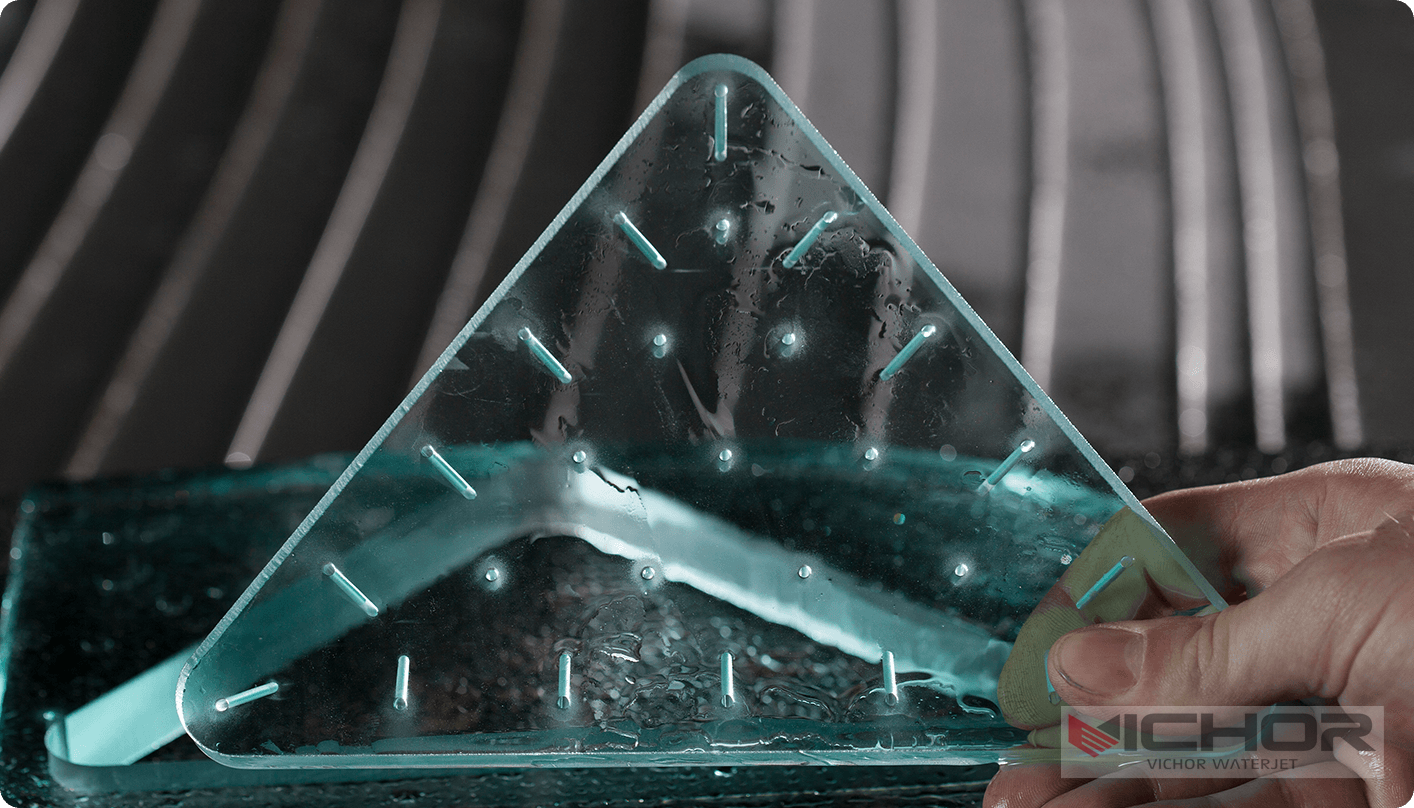
The primary function is precise, cold cutting. Unlike lasers or plasma, a water pressure cutter generates no heat. This means no hardened edges, thermal distortion, or toxic fumes. It is a truly cold process.
It also offers exceptional edge quality. The cut is smooth and often requires no secondary finishing. With taper compensation technology, the cuts are perfectly square. Furthermore, it is an environmentally friendly process, using water and natural abrasives, with minimal waste.
Types of Water Pressure Cutters
There are two main configurations: pure water jets and abrasive water jets. Pure waterjet systems are used for softer materials like rubber, foam, food, and textiles. The stream is fine and produces very little kerf.
Abrasive waterjet systems are the standard for industrial metal and stone cutting. They integrate an abrasive delivery system and a mixing chamber. Machines also come in different sizes, from compact 2×2 meter tables for job shops to massive 6×20 meter systems for shipbuilding.
Leading manufacturers like VICHOR offer robust platforms designed for 24/7 industrial use, featuring advanced control software and reliable pumping systems.
Understanding Investment and Operational Costs
The price of a water pressure cutter system varies widely. A basic abrasive system might start around $100,000, while large, high-power systems can exceed $500,000. Key cost factors include pump horsepower, table size, and control software sophistication.
Operational costs include electricity, water filtration, abrasive garnet (a major consumable), and routine maintenance on high-pressure components. Brands like VICHOR focus on designs that optimize abrasive consumption and pump efficiency, lowering the total cost of ownership over time.
Service and Support: A Critical Consideration
This is high-tech, high-pressure equipment. Reliable service and technical support are paramount. Downtime is expensive. When evaluating a water pressure cutter, consider the manufacturer’s support network.
International leaders provide comprehensive service packages, including remote diagnostics, readily available spare parts, and certified field engineers. VICHOR, for instance, structures its global support to ensure rapid response, minimizing disruption to production schedules.
VICHOR’s Integrated Waterjet Solutions
For businesses seeking a reliable partner, VICHOR delivers more than just a machine. They provide a complete water pressure cutter solution. This includes a thorough application analysis, machine configuration, installation, and operator training.
Their systems are engineered for precision and durability in demanding environments. With intelligent software that streamlines nesting and cutting paths, VICHOR helps manufacturers maximize material yield and productivity from their water pressure cutter investment.
The water pressure cutter stands as a testament to innovative, clean, and flexible manufacturing technology. Its unique advantages make it an essential tool for any workshop looking to push the boundaries of what’s possible in fabrication. For a technology that can handle your most challenging materials today and adapt to unknown materials tomorrow, the water pressure cutter is an investment in future-proof capability.
Frequently Asked Questions (FAQs)
Q1: What is the maximum thickness a water pressure cutter can handle?
A1: A powerful abrasive water pressure cutter can cut metals over 12 inches (300mm) thick and softer materials like foam or composites in even greater thicknesses. The practical limit depends on the material type and pump pressure.
Q2: How accurate is waterjet cutting?
A2: Modern CNC-controlled water pressure cutter systems are highly accurate, typically holding tolerances within ±0.003″ to ±0.005″ (0.076mm to 0.127mm). Advanced systems with dynamic head control can achieve even tighter tolerances on bevel cuts.
Q3: Is the water recycled or wasted in the process?
A3: The water is not recycled during the cutting process itself because it becomes contaminated with abraded material. However, it is collected in a tank, where solids settle out. The water is then treated or disposed of according to local regulations. Some systems use water recycling loops for the pump, but not for the cutting stream.
Q4: Can a water pressure cutter create a heat-affected zone (HAZ)?
A4: No. This is one of its greatest benefits. The water pressure cutter is a cold-cutting process. The water instantly cools any minimal friction heat, leaving the material’s microstructure unchanged and eliminating HAZ, hardening, or warping.
Q5: What are the main maintenance requirements for a waterjet system?
A5: Regular maintenance focuses on the high-pressure components. This includes inspecting and replacing the high-pressure seals, valves, and the cutting orifice and mixing tube regularly. The abrasive delivery system and water filtration system also require periodic attention to ensure consistent performance and longevity of the water pressure cutter.