5 Key Points to Understand Before Buying a Hydro Jet Machine
If you’re in manufacturing, fabrication, or construction, you’ve probably heard about the hydro jet machine. This tool, often called a waterjet cutter, uses a high-pressure stream of water, sometimes mixed with abrasive, to cut through almost any material. Its reputation for precision and versatility is well-earned. But before you invest, there are crucial aspects you need to know. This article breaks down the five most important points about hydro jet machine technology.
How a Hydro Jet Machine Actually Works
The magic starts with a high-pressure pump. This pump, often an intensifier type, is the heart of the system. It pressurizes ordinary water to an extreme level—often between 60,000 and 90,000 PSI.
This ultra-high-pressure water is then forced through a small, precious gem orifice (like a diamond or sapphire). This creates a supersonic stream. For cutting metals, stone, or ceramics, an abrasive mineral like garnet is fed into the stream in a mixing chamber. The water accelerates the abrasive particles, creating a precise, erosive cutting tool. This is the core principle behind every industrial hydro jet machine.
Common Applications Across Industries
The list of uses is remarkably long. In aerospace, a hydro jet machine cuts titanium and advanced composites without creating a heat-affected zone. This preserves the material’s critical strength properties.
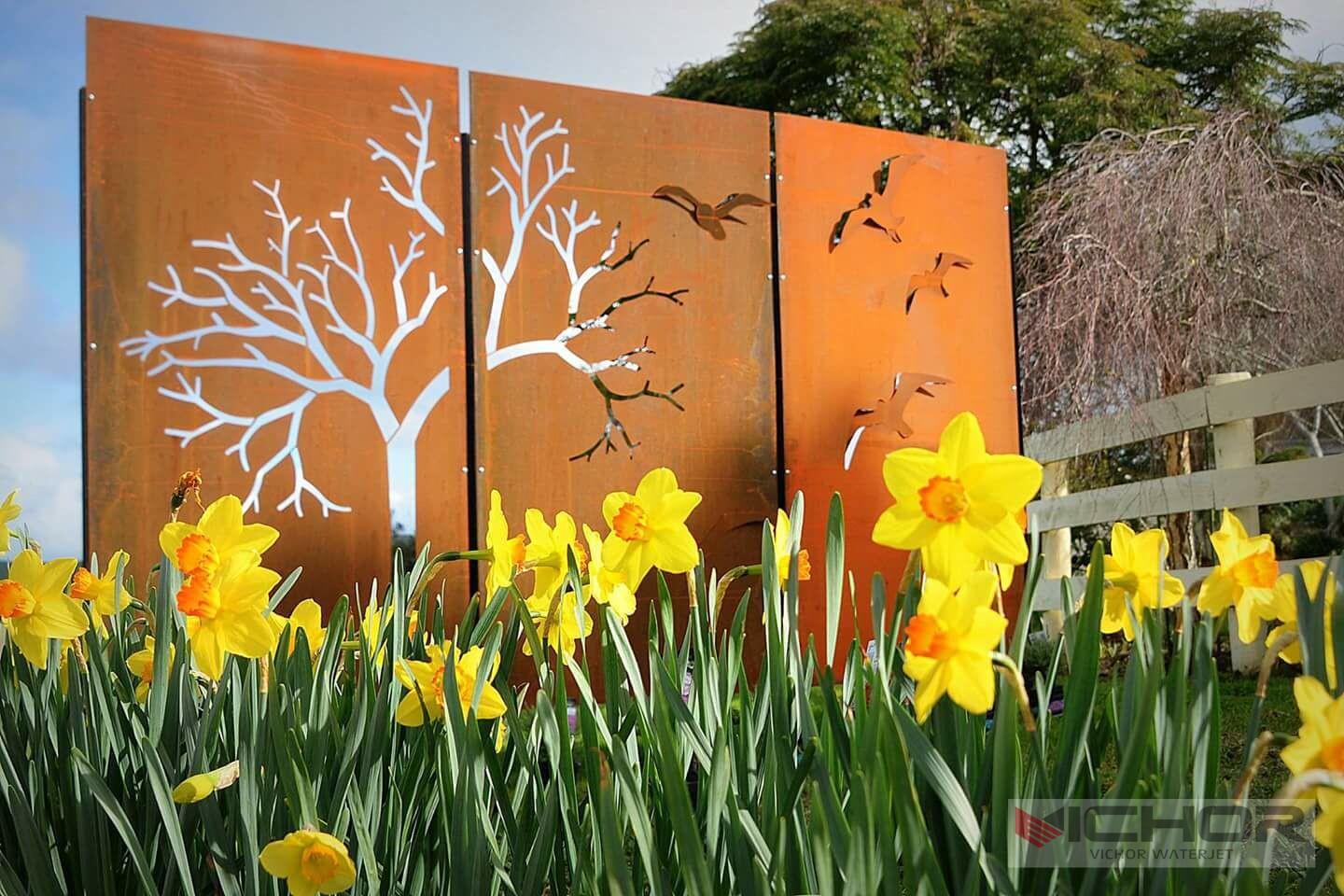
Architects and stone fabricators use it for intricate marble inlays, granite countertops, and artistic tile work. Automotive companies cut interior components, gaskets, and composite parts. Machine shops rely on it for prototyping, tool making, and cutting hardened metals. The ability to handle such diverse materials makes the hydro jet machine a uniquely flexible asset.
Core Functions and Critical Advantages
The primary function is cold, precise cutting. Since the process uses water and abrasives, no heat is generated. This means no thermal distortion, no hardened edges on metals, and no harmful fumes. Materials stay exactly as they were.
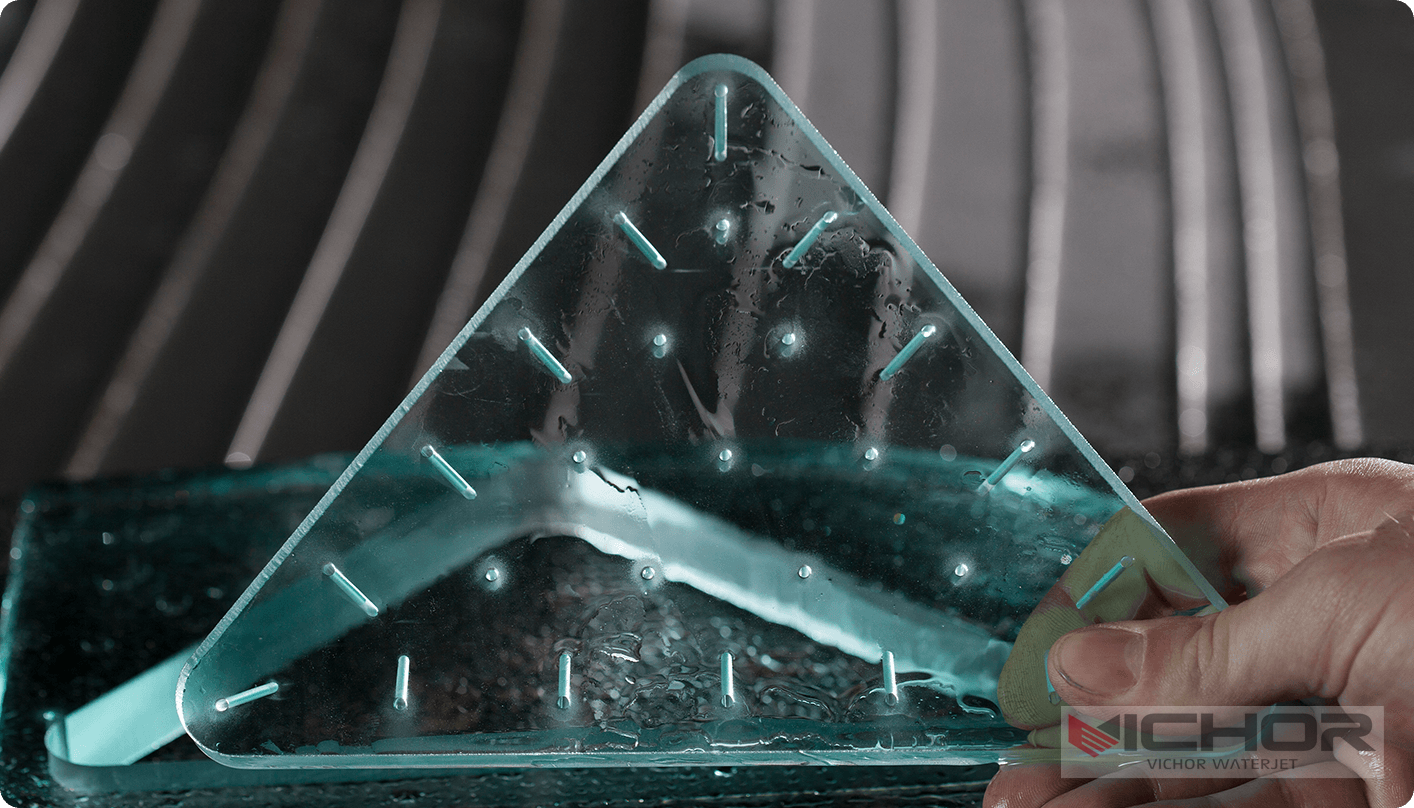
Another major advantage is material versatility. A single hydro jet machine can cut 6-inch thick steel, delicate glass, soft rubber, and bulletproof composites. You don’t need separate machines for different materials. It also excels at producing complex shapes with tight tolerances, thanks to its computer-controlled movement.
Different Types and Configurations Available
There are two main process types: Pure Waterjet and Abrasive Waterjet. Pure waterjet systems use only the high-pressure water stream. They are perfect for cutting soft materials like foam, rubber, food, and gaskets.
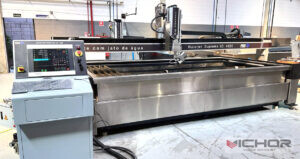
Abrasive waterjet systems, which are most common in heavy industry, add garnet to cut hard materials. Beyond this, machines vary by size, from compact 2×2 meter tables to massive 10-meter gantries. Pump horsepower (e.g., 30HP, 50HP, 100HP) is another key differentiator, directly affecting cutting speed and thickness capacity. Brands like VICHOR offer a range to suit different shop sizes and production goals.
Breaking Down the Investment: Price Factors
The price of a hydro jet machine is not a single number. It’s a spectrum. The biggest cost drivers are the pump’s power and the cutting table’s size and build quality. A small table with a 30HP pump is an entry point for many workshops. A large-format table with a robust 100HP pump represents a major industrial investment.
Other factors include the CNC control system’s sophistication, the quality of the linear motion components, and optional features like automatic height sensors or multiple cutting heads. When evaluating price, always consider the total cost of operation, which includes abrasive garnet, maintenance, and replacement parts.
Why Service and Support Are Non-Negotiable
A hydro jet machine is a complex piece of capital equipment. Its uptime is directly tied to your productivity. This makes the manufacturer’s service and support commitment a critical part of your decision.
You need reliable access to technical help, operator training, and genuine spare parts. A manufacturer with a strong global service network, like VICHOR, can provide this peace of mind. Their engineers understand that quick response times minimize costly downtime, protecting your investment long after the initial purchase.
Finding the Right Solution for Your Shop
Choosing the right machine is about solving your specific production challenges. You need to honestly assess your primary materials, required cut quality, daily operating hours, and available floor space. An underpowered machine will frustrate you with slow speeds. An oversized machine will strain your budget unnecessarily.
The best approach is to consult with an application expert. Reputable companies often provide sample cutting and detailed proposals. For instance, VICHOR’s team works with customers to test their actual materials, ensuring the proposed hydro jet machine configuration will meet their real-world throughput and precision needs before any contract is signed.
Conclusion: Making an Informed Decision on a Hydro Jet Machine
Investing in a hydro jet machine can be a transformative move for your business. It expands your capabilities, improves part quality, and opens doors to new projects. By understanding the technology, its true costs, and the importance of dependable support, you can select a system that delivers strong returns for years. Focus on finding a partner, not just a supplier, to ensure your success with this powerful technology.
Frequently Asked Questions (FAQs)
Q1: What’s the difference between a “hydro jet machine,” “waterjet,” and “abrasive waterjet”?
A1: In industrial contexts, these terms are often used interchangeably. Technically, “hydro jet” and “waterjet” are broad terms. An “abrasive waterjet” specifically refers to the system that adds garnet to cut hard materials, which is what most metal and stone shops use.
Q2: How thick of material can a typical industrial hydro jet machine cut?
A2: It depends heavily on the pump’s power and the material. A robust machine with an 80-100HP pump can cut through over 8 inches (200mm) of materials like aluminum, titanium, or stone. For mild steel, practical cutting depths are typically in the 4-6 inch range. Speed decreases as thickness increases.
Q3: What are the biggest ongoing costs of operating a hydro jet machine?
A3: The three major consumables are abrasive garnet (the largest ongoing cost), the jewel orifices, and the mixing tubes. Electricity for the high-pressure pump is also significant. Pump maintenance and periodic replacement of high-pressure seals are other operational expenses to budget for.
Q4: Can a hydro jet machine match the precision of a laser cutter?
A4: For positioning accuracy, a high-quality waterjet like those from VICHOR can match laser precision. The main differences are in the cut edge characteristics. Waterjets produce a slightly textured, matte finish and a small amount of taper. For most fabrication work, the precision is excellent, and the complete absence of heat damage is a decisive advantage for many materials.
Q5: Is it difficult to learn to program and operate a hydro jet machine?
A5: Modern machines are designed with user-friendly CNC software. Operators typically use standard CAD/CAM programs to create designs, which are then converted to machine code. Basic operation and job setup can be learned in a few days of training. Mastering advanced techniques, maintenance, and troubleshooting for optimal performance takes more time and experience, which is why quality training from the manufacturer is so important.