
5 Key Advantages of Water Jet Fabrication: Processes, Applications & Cost (2025)
Water jet fabrication is more than just cutting. It’s a versatile manufacturing process shaping everything from intricate aerospace components to stunning architectural art. If you’re sourcing a fabrication method that marries precision with material versatility, you’re likely searching for information on water jet fabrication.
This guide breaks down how it works, where it’s used, and what you need to know about cost and implementation.
How Does Water Jet Fabrication Work?
At its core, water jet fabrication uses a high-pressure pump to force water through a tiny orifice. This creates an ultra-focused stream moving at speeds over twice the speed of sound.
For cutting harder materials, an abrasive substance, like garnet, is mixed into this stream. This is called abrasive water jet cutting. The pure water jet is used for softer materials.
The result is a cold-cutting process. Unlike lasers or plasma, water jet cutting generates no heat-affected zone. This preserves the material’s intrinsic properties. It’s a key benefit for water jet manufacturing.
Primary Applications of Water Jet Technology
Where is water jet fabrication used? Nearly everywhere.
In aerospace, it precisely cuts composites, titanium, and aluminum without inducing thermal stress. The automotive industry uses it for gaskets, interiors, and prototype parts.
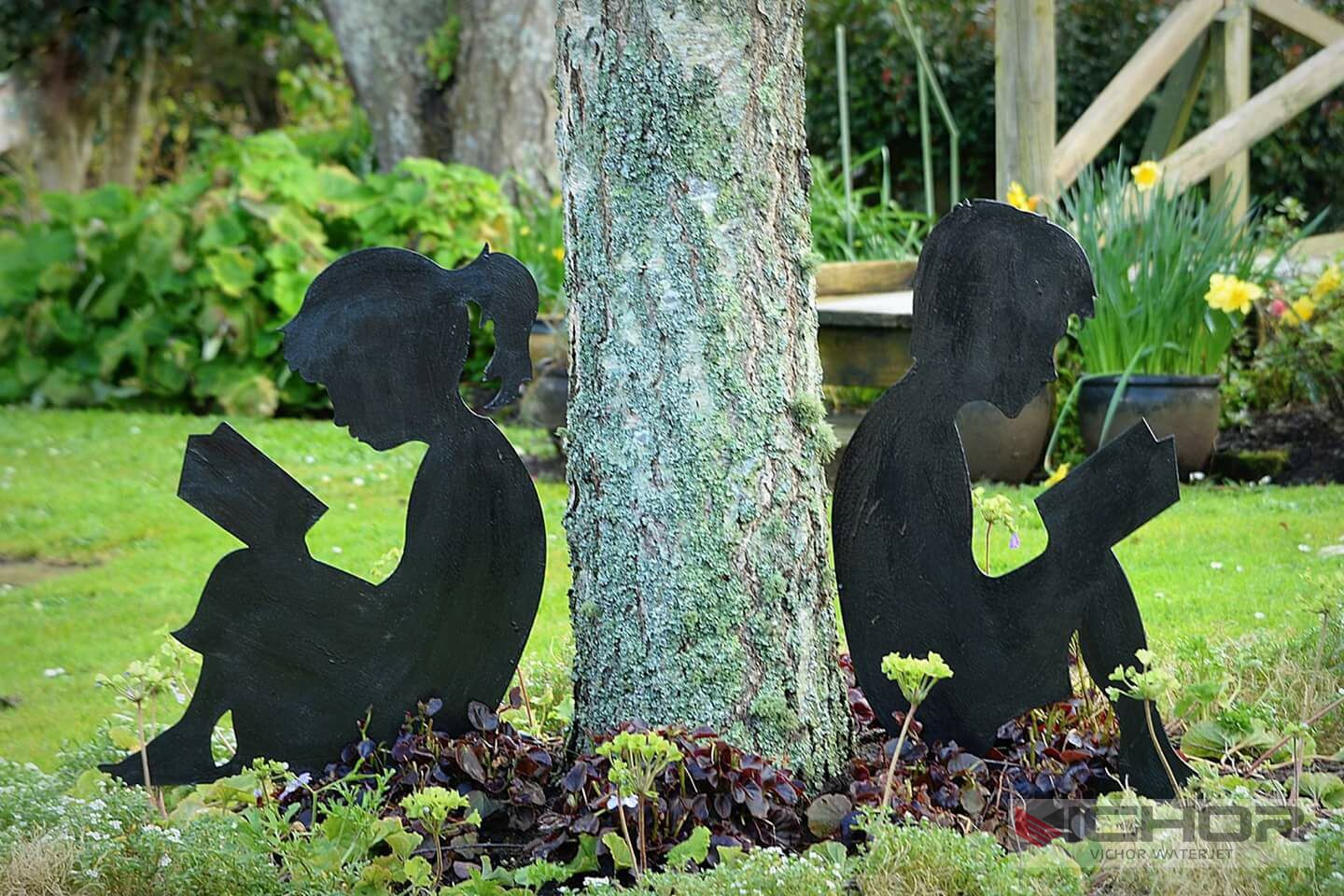
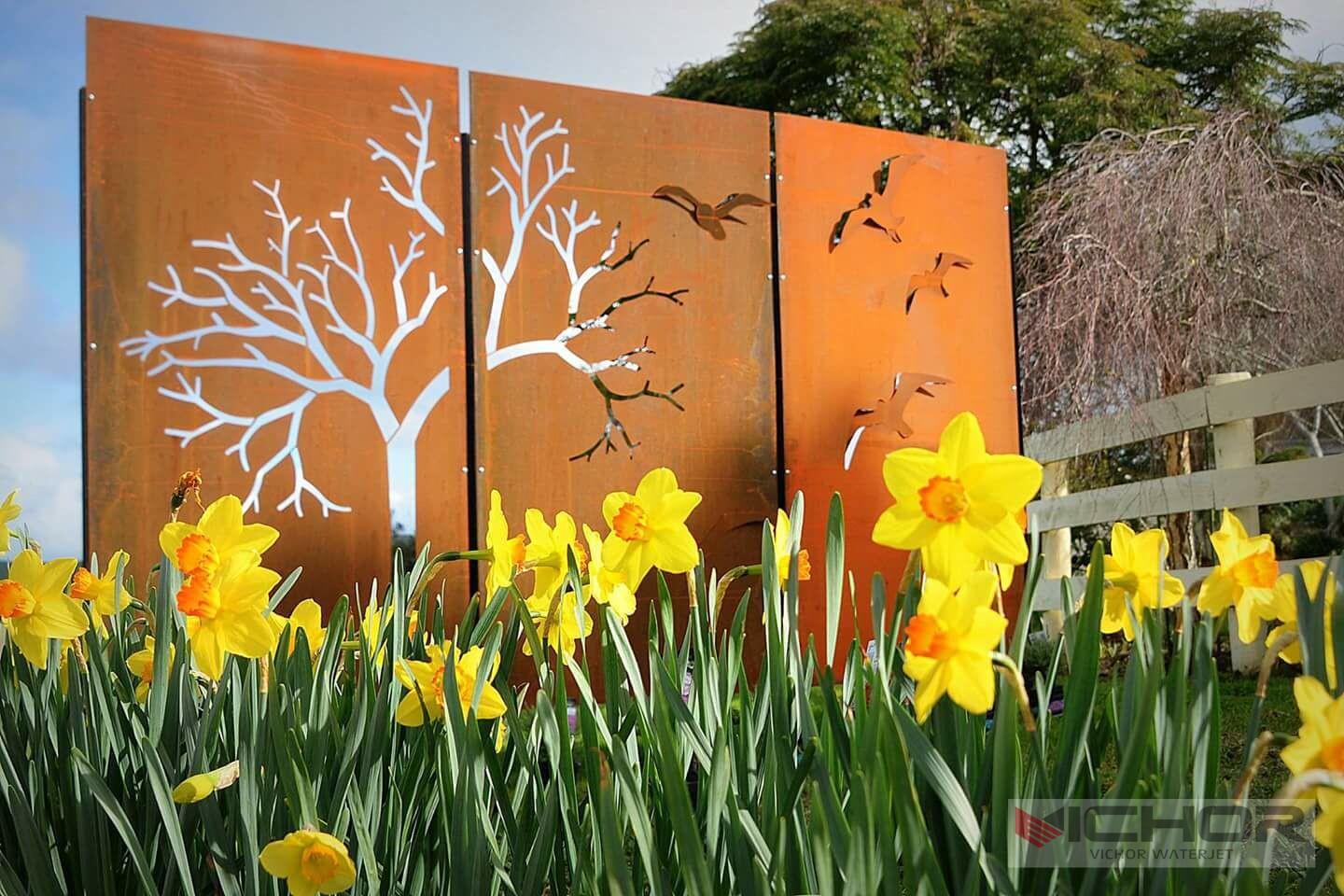
Machine shops rely on it for precision water jet cutting of tool steel, stainless, and brass. Artists and architects use it to sculpt detailed designs from stone, glass, and metal.
The food industry even uses pure water jets for portioning. The lack of heat keeps food safe and uncontaminated. This broad application scope makes water jet services critical for modern industry.
Key Functions and Capabilities
Why choose water jet manufacturing? Its functions are unique.
First, it cuts virtually any material. Metal, stone, rubber, foam, glass, composites – the list is endless. This eliminates the need for multiple cutting machines.
Second, it offers exceptional precision. Modern systems can achieve tolerances within ±0.1 mm. This is essential for precision fabrication.
Third, it’s a cold process. No thermal distortion means parts are ready to use immediately, with no warping or hardened edges. This speeds up water jet production.
Finally, it’s incredibly versatile for complex shapes. The stream can cut intricate details and sharp angles that are difficult for other tools.
Types of Water Jet Cutting Systems
Not all systems are the same. Understanding the types is crucial for your water jet fabrication needs.
The main division is between Pure Water Jets and Abrasive Water Jets. Pure jets are for soft materials like food, rubber, or foam. Abrasive jets handle metals, stone, and ceramics.
Systems also differ by size and configuration. Gantry systems are common for large sheets. Robotic arm systems offer 5-axis cutting for complex 3D parts. For high-volume water jet production, multiple-head systems are available.
Choosing the right type depends on your primary materials and production goals.
Understanding Cost and Investment
The cost of water jet fabrication varies. For outsourcing, pricing is often per linear inch, influenced by material type and thickness. Thicker, harder materials cost more due to slower cutting speeds and higher abrasive use.
For in-house investment, a complete water jet cutting system includes the pump, cutting table, and abrasive delivery system. Entry-level machines start around a significant investment, while high-end, large-format systems cost substantially more.
Operational costs include abrasives (a major consumable), water, electricity, and maintenance. A trusted provider like VICHOR can offer a detailed cost-benefit analysis for your specific water jet manufacturing project.
Professional Water Jet Services and Solutions
Not ready for a capital investment? Professional water jet services are the answer. Companies like VICHOR provide contract water jet fabrication to clients globally.
They bring industrial-scale machines, expert programming, and material handling expertise. This is ideal for prototypes, short runs, or complex one-off projects.
A full-service provider will offer more than just cutting. They provide design for manufacturability (DFM) advice, finishing, and assembly. This water jet solution turns a concept into a finished part efficiently.
VICHOR’s Approach to Advanced Fabrication
In the international water jet cutting field, VICHOR has established itself as a leader. We focus on high-tolerance water jet manufacturing for sectors like aerospace, energy, and advanced machinery.
Our solutions integrate the latest in high-pressure pump technology and advanced motion control. This ensures unmatched accuracy and edge quality for your most demanding water jet fabrication projects.
We believe in partnership. From initial quote to final delivery, our team works to optimize your design for the water jet production process, ensuring cost-effectiveness and superior results.
Frequently Asked Questions (FAQ)
Q1: What materials cannot be cut with a water jet?
A1: Very few. Tempered glass and certain diamonds are problematic, as the cutting process can initiate cracking. Most other solid materials, from titanium to carpet, can be successfully cut with water jet fabrication.
Q2: Is water jet cutting expensive compared to laser or plasma?
A2: It depends. Water jet cutting often has a higher operating cost per hour due to abrasives and wear parts. However, its ability to cut any material without heat damage can make it the most cost-effective overall solution, eliminating secondary processing steps.
Q3: How thick of a material can a water jet cut?
A3: Industrial abrasive water jet systems can cut materials over 12 inches (300 mm) thick, especially in softer metals or composites. For very hard metals like tool steel, practical thicknesses are typically up to 6-8 inches.
Q4: What is the accuracy and edge quality of a water jet cut?
A4: Modern precision water jet cutting can hold tolerances of ±0.1 mm or better. The edge has a matte, sandblasted finish. There is a slight taper (wider at the top), but advanced systems can dynamically compensate to produce near-vertical edges.
Q5: Why should I choose a service provider like VICHOR over an in-house machine?
A5: Choosing VICHOR for your water jet fabrication eliminates capital expenditure, maintenance worries, and the learning curve. You gain access to state-of-the-art equipment, expert programmers, and guaranteed quality, allowing you to focus on your core business while we handle the precision fabrication.