
5 Essential Facts You Must Know About Water Pressure Cutting Machine Technology
If you work with metal, stone, or composite materials, you’ve likely heard about a tool that slices through tough substances using the sheer force of water. This tool is a water pressure cutting machine. Often called a waterjet cutter, it’s a versatile piece of industrial equipment that has changed how factories and workshops handle complex cutting jobs.
Unlike saws or lasers, it doesn’t rely on a sharp edge or intense heat. Instead, it uses an extremely focused stream of water moving at incredible speeds. For cutting hard things like steel or granite, a gritty sand called garnet is added to the water stream. This combination can cut through almost anything with remarkable precision.
Let’s break down how this technology works and why it might be the right solution for your next project.
How a Water Pressure Cutting Machine Actually Works
The core principle is simple: extreme pressure creates an incredibly powerful cutting tool. It all starts with a high-pressure pump. This isn’t an ordinary pump. It’s a rugged, intensifier pump that pressurizes ordinary water to unbelievably high levels.
We’re talking about pressures reaching 60,000 to 90,000 pounds per square inch (PSI). To visualize that, it’s like the pressure at the bottom of the ocean, but focused through a tiny hole.
This super-pressurized water is then forced through a small jewel orifice, usually made of sapphire or ruby. This creates a thin, coherent water jet moving faster than the speed of sound.
For cutting metals and stone, the stream enters a mixing tube where abrasive garnet is sucked in and mixed. This abrasive-laden stream is what does the actual cutting, eroding the material away. The cutting head is mounted on a CNC-guided gantry, allowing it to follow digital designs with pinpoint accuracy.
Where Are These Machines Used? Key Applications
The water pressure cutting machine is a favorite across many industries because it doesn’t care how hard the material is. Its cold-cutting nature makes it indispensable for projects where heat damage is a major concern.
Aerospace manufacturers use it to cut delicate aluminum shapes, titanium components, and advanced composites. There’s no heat to weaken the metal or alter its properties.
In the automotive world, it’s used for prototyping parts, cutting interior trim, gaskets, and even thick chassis components. The tooling change is digital, so switching from cutting carpet to cutting steel only requires loading a new file.
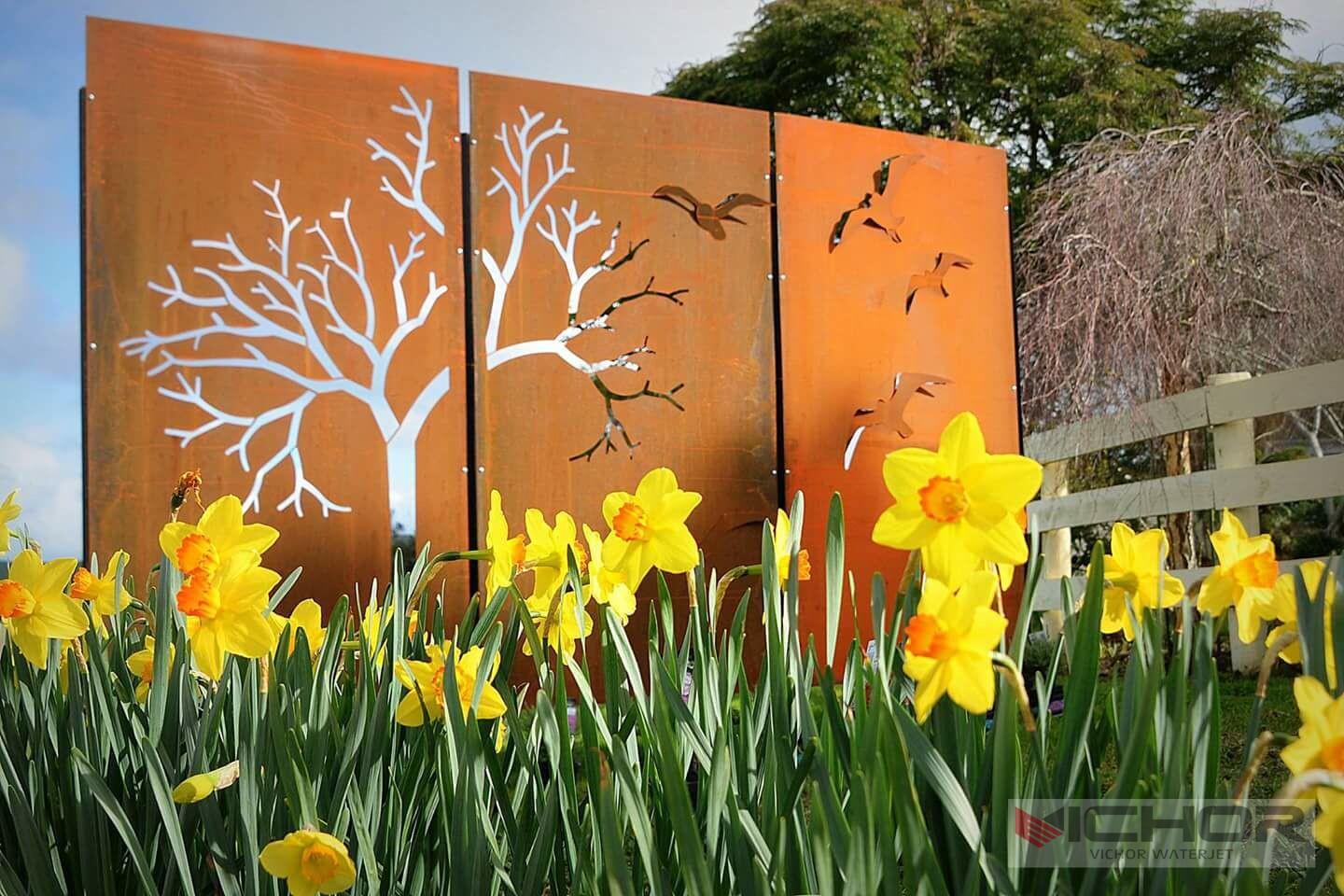
Artists and architects love it for creating intricate designs in marble, glass, and metal for sculptures and building facades. The food industry even uses pure water versions (no abrasive) to cut cakes, frozen fish, and poultry cleanly.
The Unbeatable Advantages of This Cutting Method
Why choose a water pressure cutting machine over a laser, plasma, or saw? The list of benefits is compelling.
First and foremost: no heat-affected zone (HAZ). Since the process is cold, the material being cut doesn’t get hot. This means no warping, no hardened edges, and no change to the material’s internal structure. This is critical for materials that are sensitive to temperature changes.
Versatility is its middle name. It can cut a piece of half-inch steel, switch to a project cutting delicate foam, and then move on to a granite tile, all on the same day with the same machine. You just change the cutting head and settings.
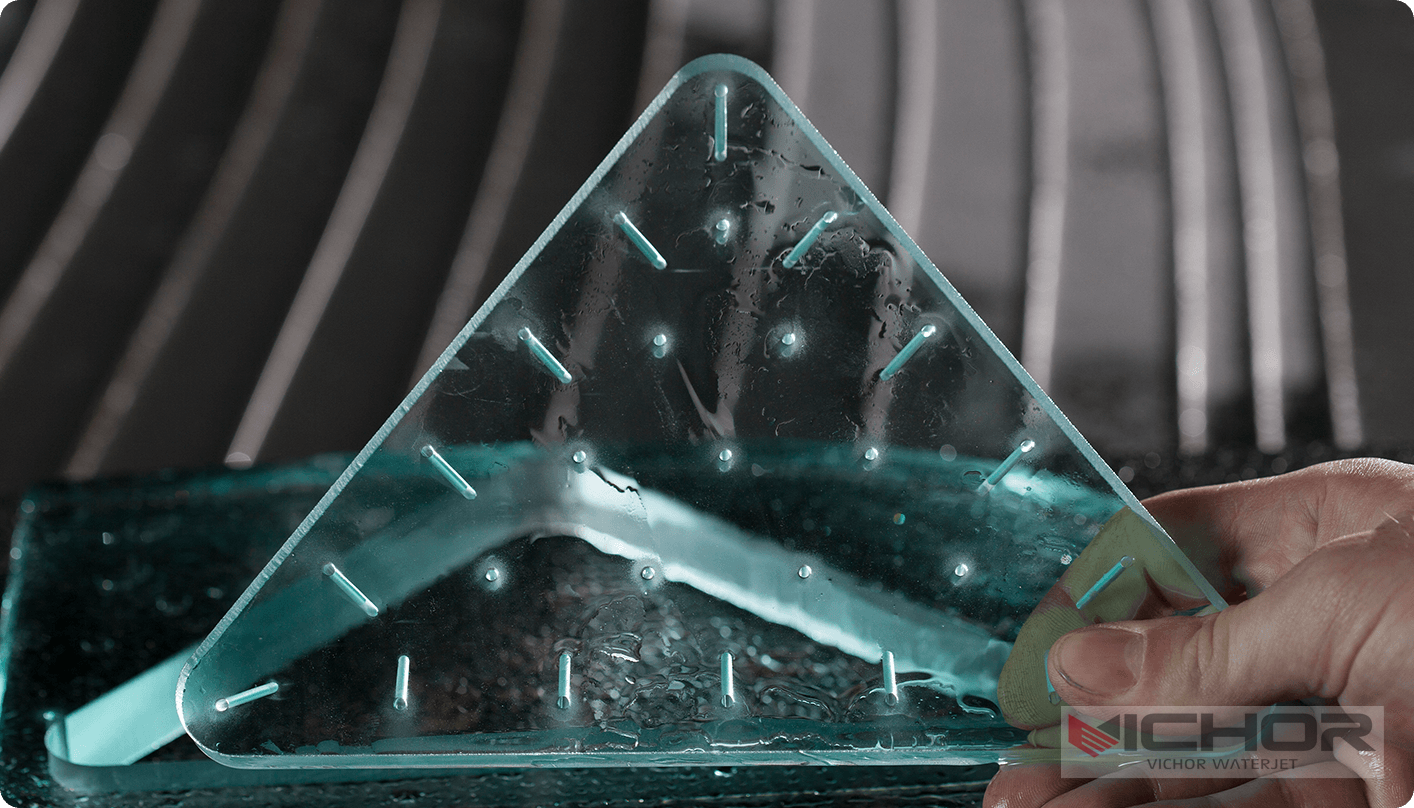
The cut quality is excellent. It produces a smooth, satin-finish edge that often requires no secondary finishing. The precision is high, with tolerances that can be held within a few thousandths of an inch.
It’s also an environmentally friendlier choice. The primary “consumables” are water and natural garnet sand. It doesn’t produce toxic fumes, smoke, or molten waste. Modern systems, like those from VICHOR, often include water recycling systems to minimize waste.
Understanding the Different Machine Types and Configurations
Not all water pressure cutting machine models are the same. They come in different sizes and setups to match different workshop needs.
The first distinction is between pure waterjet and abrasive waterjet systems. Pure waterjets are for soft materials like rubber, foam, and food. Abrasive waterjets are the full-powered systems used for metals, stone, and ceramics.
Then you have the pump. The two main types are intensifier pumps and direct-drive pumps. Intensifier pumps generate higher, more consistent pressure and are standard for heavy-duty industrial work. Direct-drive pumps are simpler and cheaper, often suited for lighter or intermittent use.
Table size is a major factor. Machines range from small 4×4 foot tables for job shops to massive 10×40 foot tables for cutting entire sheets of material for shipbuilding or construction. Brands like VICHOR offer a range of table sizes and robust gantry designs to ensure accuracy over the entire cutting area.
Cost Analysis: Investment and Operational Expenses
The price of a water pressure cutting machine can vary widely. A small, entry-level system might start around $100,000. A fully-loaded, large-format industrial machine can easily cost several hundred thousand dollars.
The initial purchase is just one part of the cost equation. You must also consider operating costs. The biggest ongoing cost is the abrasive garnet. The amount used depends on the material thickness and cutting time.
Pump maintenance is crucial. Seals, valves, and intensifier components are under immense stress and require regular servicing to prevent costly downtime. Electricity consumption for the high-pressure pump is also a factor.
For many businesses, it makes more sense to outsource to a specialized service provider. This eliminates the capital investment and maintenance worries. You pay per job, converting a fixed cost into a variable one. This is where partnering with an expert like VICHOR for cutting services can provide immediate capability without the long-term commitment.
Choosing a Service Provider: More Than Just a Machine
If you’re outsourcing your cutting work, you’re not just renting time on a machine. You’re buying a result. Here’s what to look for in a service provider.
Examine their technical expertise. Can they offer advice on design for manufacturability? A good provider will help you tweak your CAD file to optimize cut speed, reduce abrasive use, and prevent common cutting errors.
Look at their material handling capabilities. Can they handle your large, heavy sheets of material? Do they offer finishing services like edge sanding or polishing?
Reliability and communication are key. You need a partner who can deliver quality parts on time, every time. Established companies like VICHOR build their reputation on consistent, high-quality service and clear customer communication. They act as an extension of your manufacturing team.
Integrated Solutions for Modern Manufacturing Challenges
Today’s leading suppliers don’t just sell machines or services. They provide complete manufacturing solutions. A water pressure cutting machine is often the centerpiece of a broader workflow.
This starts with software. Advanced nesting software arranges parts on a material sheet to maximize yield and minimize waste. This can lead to significant material cost savings.
Some providers offer in-house material sourcing. Others integrate secondary processes like drilling, tapping, or bending to deliver a more finished component.
For complex projects, look for a provider with engineering support. They can help design fixtures, plan the cutting sequence, and ensure the final assembly fits together perfectly. VICHOR, for instance, specializes in these high-value, solution-oriented partnerships, helping clients navigate complex fabrication challenges from concept to finished part.
In short, a water pressure cutting machine is more than just a tool; it’s a gateway to new design possibilities and manufacturing efficiencies. Whether you invest in your own equipment or partner with a skilled service provider, this technology offers a unique combination of precision, flexibility, and material integrity that is hard to match with any other method.
Frequently Asked Questions (FAQs)
Q1: How thick of a material can a standard water pressure cutting machine handle?
A1: A robust industrial abrasive waterjet machine can cut materials over 12 inches thick. For metals like steel, a practical limit for maintaining good speed and edge quality is typically around 6 to 8 inches. Extremely thick cuts are possible but get progressively slower.
Q2: Is the water used in the process contaminated afterward?
A2: Yes, when cutting with abrasives, the water collects spent garnet and tiny particles of the cut material. This slurry is not sent down the drain. Modern systems use a closed-loop settling tank or water recycler. The solids settle out, and the clean water is recirculated. Only the sludge waste needs disposal, often at an industrial landfill.
Q3: Can a waterjet cut tighter curves and more intricate details than a laser?
A3: In many cases, yes. Because the waterjet stream is not diverging like a laser beam, it can cut very small radii and intricate details without tapering or heat distortion. It’s excellent for fine details in thick materials where a laser would struggle.
Q4: How loud is a water pressure cutting machine, and what safety gear is required?
A4: They are noisy, primarily from the pump and the sound of the jet hitting the water in the catcher tank. Operators and nearby personnel should wear hearing protection. Safety glasses are mandatory to protect from splashback. The cutting area is fully enclosed on professional machines for safety.
Q5: What kind of maintenance does the high-pressure pump require?
A5: Regular maintenance is critical. This typically involves changing high-pressure seals, check valves, and filters on a schedule based on operating hours. The ultra-high-pressure tubing (called the “pressure vessel” or “pipe”) also has a finite lifespan and must be inspected and replaced periodically. A good supplier like VICHOR provides clear maintenance schedules and readily available parts kits.