
5 Critical Factors Before Investing in a Hydro Cutter Machine
A hydro cutter machine, commonly known as a waterjet cutter, represents a significant technological investment for any workshop involved in fabrication or manufacturing. This equipment utilizes an ultra-high-pressure stream of water, sometimes combined with an abrasive, to slice through a remarkable range of materials. From metals and stone to plastics and composites, the core benefit of a hydro cutter machine is its ability to cut without generating heat. This prevents material distortion and preserves the structural integrity of the workpiece, making it a versatile solution for complex projects.
The Operating Principle of Waterjet Technology
Understanding how a **hydro cutter machine** functions is key to appreciating its capabilities. The process begins with a high-pressure pump, typically an intensifier type. This pump pressurizes ordinary water to extreme levels, often between 60,000 and 90,000 pounds per square inch (PSI).
The pressurized water is then forced through a tiny gemstone orifice, usually made of diamond or sapphire. This creates a coherent, supersonic stream.
For cutting hard materials like steel, granite, or glass, an abrasive mineral such as garnet is introduced into this water stream. The abrasive particles are accelerated by the water, mechanically eroding the material away. For softer materials like rubber, foam, or food, a pure waterjet (without abrasive) is sufficient.
The cutting head is mounted on a computer-controlled (CNC) gantry system, allowing for precise, automated cutting of intricate shapes.
Comparing Cutting Methods: Hydro Cutter vs. Thermal Processes
Choosing the right cutting technology often involves comparing a **hydro cutter machine** to thermal methods like plasma or laser cutting.
Plasma cutting is fast and cost-effective for conductive metals but produces a significant heat-affected zone. This can warp thin material and alter the metallurgical properties at the cut edge. The cut edge also tends to be rougher.
Laser cutting offers high speed and precision on thin sheets. However, it struggles with reflective materials, very thick sections, and materials that can emit toxic fumes when vaporized. The heat input, while concentrated, is still present.
The hydro cutter machine stands apart as a cold-cutting process. It introduces no heat, meaning no heat-affected zone, hardening, or thermal stress. It can cut any material, regardless of reflectivity or electrical conductivity, and handles substantial thicknesses. Its trade-off is generally a lower cutting speed on thin metals compared to lasers.
Primary Applications Across Different Industries
The material versatility of a **hydro cutter machine** makes it invaluable across diverse sectors.
In aerospace and automotive manufacturing, it is used to cut aluminum, titanium, and advanced composites without compromising their engineered properties. The lack of heat is critical for maintaining material strength.
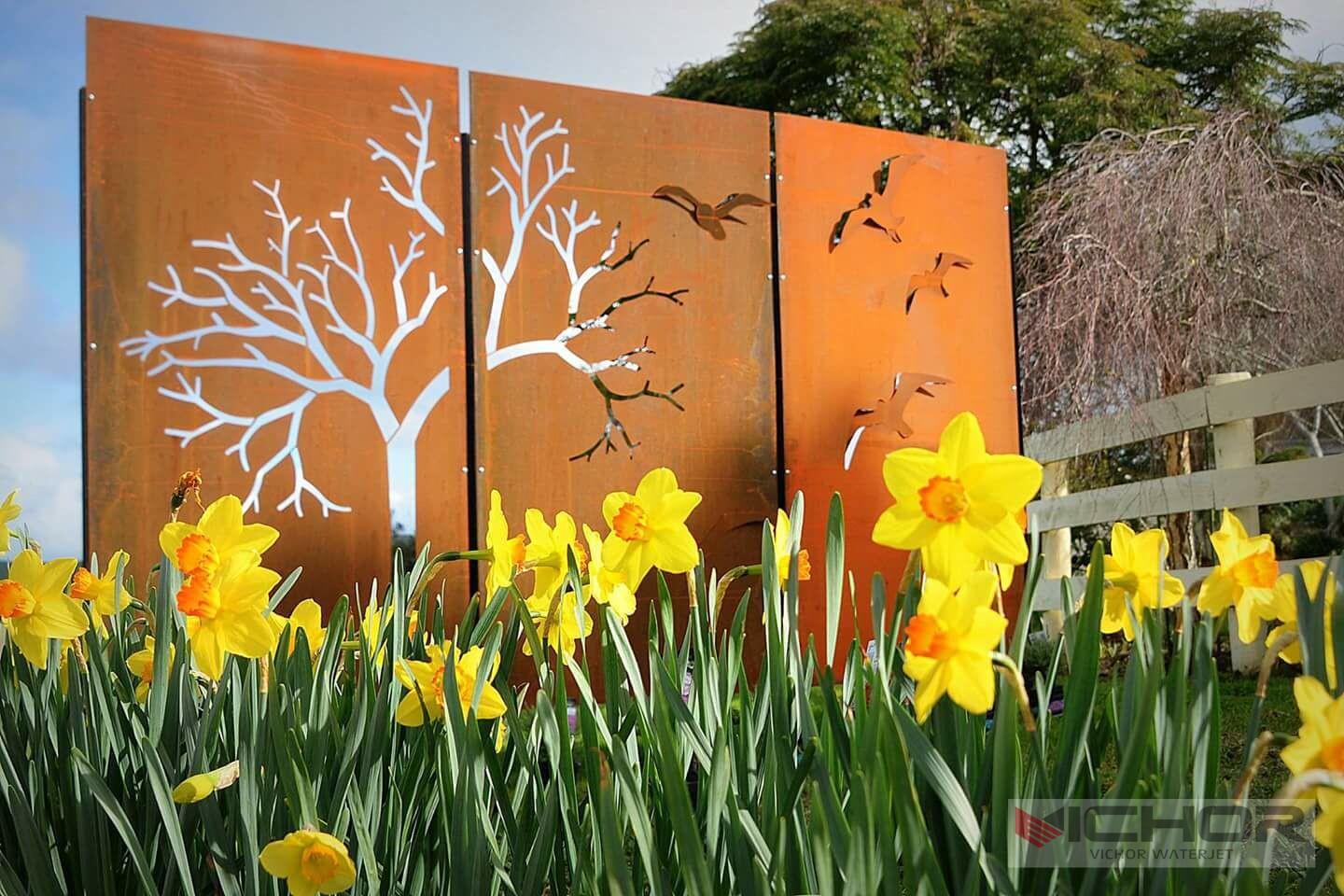
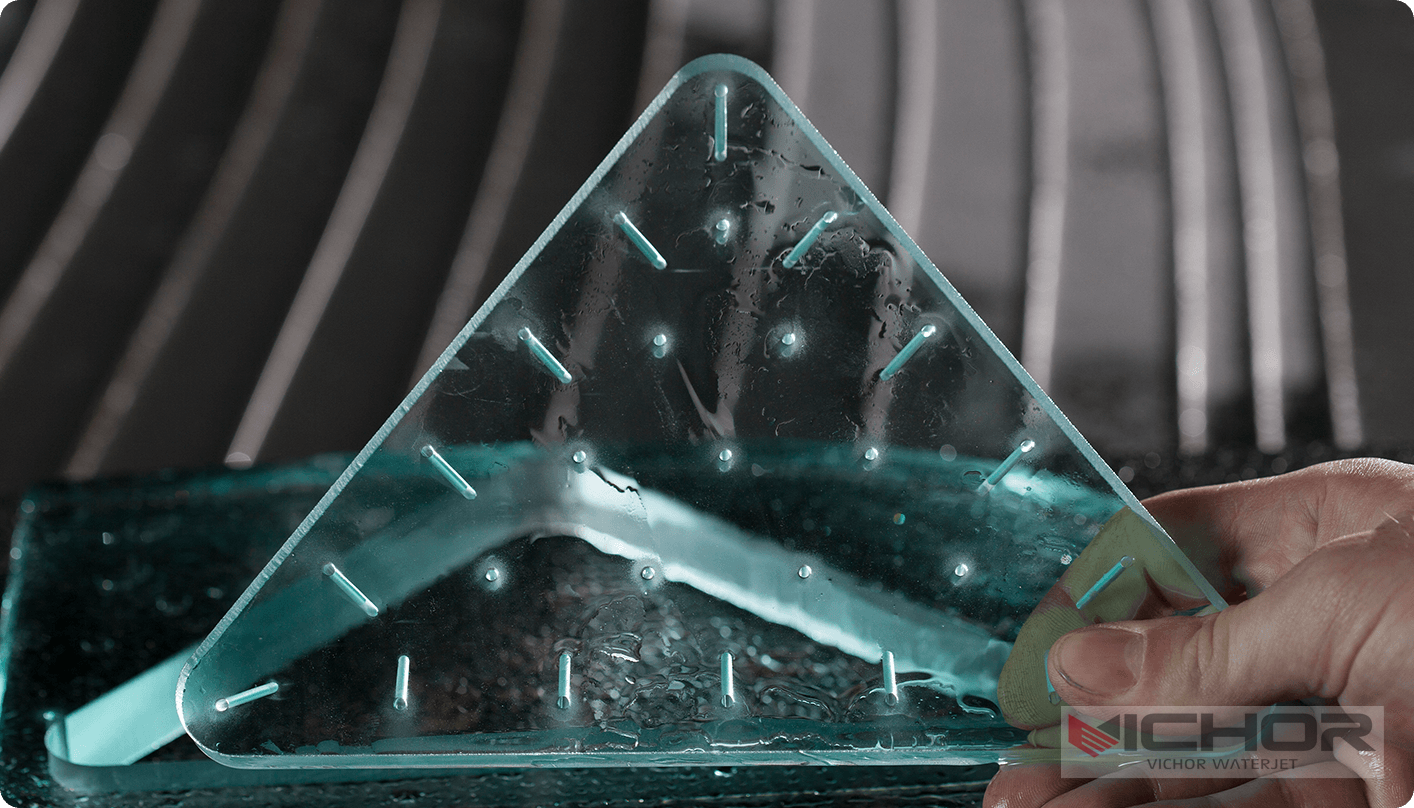
Architectural and stone fabrication shops use it for detailed work on marble, granite, and glass for countertops, signage, and artistic features. The ability to cut complex shapes without chipping is a major advantage.
General metal fabricators and machine shops employ it for prototyping, tooling, and low-volume production of parts from stainless steel, brass, and tool steel. It is also extensively used for cutting gaskets, insulation, and other soft materials with a pure water jet.
Guidelines for Selecting the Correct Machine
Selecting the right **hydro cutter machine** requires a clear assessment of your needs.
First, define your primary materials and their maximum thickness. This determines whether you need an abrasive system and the necessary pump horsepower. A 50-60 HP pump is common for general use, while thicker materials require 75 HP or more.
Second, consider the table size. The machine’s bed must accommodate your standard sheet sizes. Common sizes include 4’x4′, 4’x8′, and 5’10’. Allow space for clamping and efficient material nesting.
Evaluate the control system and software. User-friendly CNC controls and robust nesting software are essential for productivity and material savings. Also, examine the machine’s mechanical construction; a rigid, heavy gantry ensures long-term accuracy and stability.
Understanding the Total Cost of Ownership
The purchase price of a **hydro cutter machine** is just the beginning. A thorough financial analysis must include operational costs.
Abrasive garnet is the largest recurring consumable expense. Its consumption rate depends on the orifice size, cutting pressure, and hours of operation.
High-pressure pump components, such as seals, check valves, and plungers, are wear items that require periodic replacement. Electrical consumption, particularly from the pump motor, is another ongoing cost.
Other costs include replacement waterjet orifices and mixing tubes, routine maintenance, and waste slurry disposal. When evaluating brands, consider reliability and part longevity. A machine from a manufacturer like VICHOR may offer a favorable balance of upfront investment and lower long-term operating costs through efficient design and durable components.
Technical Aspects Influencing Cut Quality
Several advanced features directly impact the performance of a **hydro cutter machine**.
Dynamic cutting head technology is crucial for precision. It automatically tilts the head to compensate for the natural lag of the waterjet stream, eliminating taper and producing perfectly square edges on finished parts.
The consistency of the high-pressure pump is vital. A pump that maintains stable pressure ensures uniform cutting speed and edge quality. The precision of the abrasive feed system also matters; inconsistent flow leads to variable cutting performance and potential head damage.
Regular and proactive maintenance following the manufacturer’s schedule is non-negotiable for preserving accuracy, cut quality, and machine uptime.
Finding a Reputable Supplier and Service Provider
Your relationship with the equipment supplier extends far beyond the initial sale. A reliable partner provides comprehensive installation, thorough operator training, and accessible technical support.
Research the manufacturer’s reputation for build quality and after-sales service. Brands that have gained international recognition, such as VICHOR, often do so through a commitment to machine durability, intuitive software, and a responsive global support network.
Ask for customer references, especially from businesses with similar applications to yours. If possible, visit a demonstration facility or an existing customer site to see the machine in operation. A trustworthy supplier will be transparent about the machine’s capabilities, realistic maintenance needs, and total cost of operation.
Investing in a hydro cutter machine can fundamentally expand your shop’s capabilities and market potential. By methodically evaluating your material requirements, understanding both initial and ongoing costs, and partnering with a dependable equipment provider, you secure a powerful and flexible manufacturing asset. A well-chosen hydro cutter machine will reliably handle demanding, multi-material applications for years, delivering a strong return on investment through its unparalleled versatility.
Frequently Asked Questions (FAQs)
Q1: What level of accuracy can I expect from an industrial hydro cutter machine?
A1: A well-calibrated industrial hydro cutter machine typically offers positional accuracy within ±0.003″ (±0.076 mm) and repeatability within ±0.001″ (±0.025 mm). The final part accuracy also depends on using dynamic taper compensation to achieve square edges. For most fabrication work, this level of precision is more than sufficient.
Q2: How loud is the operating environment for a hydro cutter machine?
A2: Modern systems are designed to mitigate noise. The cutting itself occurs underwater in a catcher tank, which significantly reduces sound. The primary noise source is the high-pressure pump, which can generate around 80-85 decibels. Many shops place the pump in a separate enclosure or room to further reduce shop floor noise.
Q3: Can a hydro cutter machine cut through laminated or coated materials without separation?
A3: Yes, this is one of its strengths. The cold, mechanical cutting action of a hydro cutter machine does not melt adhesives or create heat that would delaminate layers. It can cleanly cut through painted metals, laminated composites, or layered materials without causing the layers to separate or the coatings to burn.
Q4: What water quality is required, and why is it important?
A4: High water quality is critical for system longevity. Hard water or water with suspended minerals can cause scaling and accelerated wear inside the high-pressure pump and valves. Most installations require a water softening and filtration system. Using treated water extends the life of expensive pump seals and other components, protecting your investment.
Q5: How long does it take to train an operator to use a hydro cutter machine effectively?
A5: Basic machine operation, loading files, and running simple jobs can be learned within a few days of formal training. Modern CNC interfaces are designed to be intuitive. However, mastering advanced techniques, optimizing cutting parameters for different materials, and achieving maximum material utilization through expert nesting can take several months of hands-on experience and ongoing learning.